


So gestalten Sie Holzanhänger und Hängeornamente individuell für Geschenkmarken
Wooden pendants and hanging ornaments have become essential offerings for gift brands seeking to deliver meaningful, sustainable, and culturally rich products to their customers. Unlike mass-produced alternatives, customized wooden pieces offer the authenticity and craftsmanship that modern consumers increasingly value. For gift brands targeting corporate clients, retail buyers, or specialty markets, understanding the customization process and quality standards for wooden ornaments can differentiate your product line and strengthen customer loyalty.
This guide walks through the complete customization journey for gift brands, from material selection and design considerations to production timelines and quality assurance. Whether you’re a boutique gift retailer, corporate gift supplier, or brand manager exploring artisan partnerships, you’ll find practical insights into how handcrafted wooden pendants and ornaments can enhance your product offerings and meet diverse market demands.
1. Why Wooden Pendants and Ornaments Work for Gift Brands
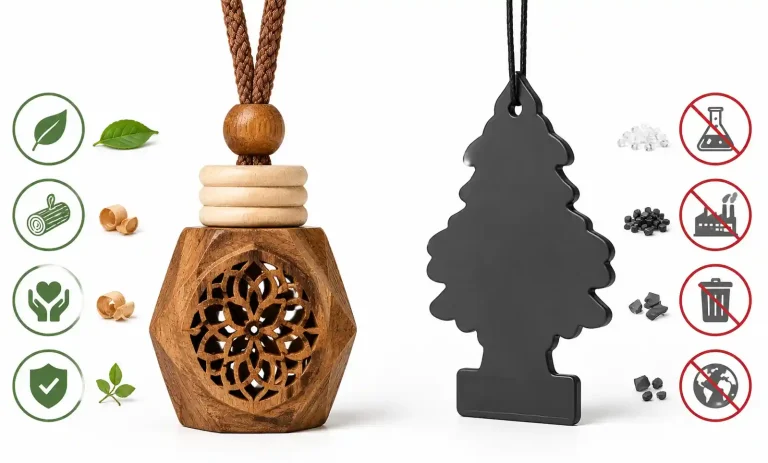
Wooden pendants and hanging ornaments offer gift brands several distinct advantages in today’s market. The natural material appeals to environmentally conscious consumers who prioritize sustainable and biodegradable products over plastic alternatives. Each piece carries unique wood grain patterns, making every ornament genuinely one-of-a-kind, a selling point that resonates particularly well with customers seeking authentic, handmade gifts.
From a business perspective, wooden ornaments accommodate various price points depending on wood type, size, and craftsmanship complexity. This flexibility allows gift brands to build cohesive product lines spanning entry-level offerings to premium collector pieces. The lightweight nature of wood also reduces shipping costs compared to ceramic or metal alternatives, improving margins while maintaining competitive retail pricing.
Cultural symbolism adds another dimension of value. Many wooden ornaments incorporate traditional motifs with specific meanings—animals representing strength or wisdom, botanical designs symbolizing growth and renewal, or geometric patterns reflecting harmony and balance. Gift brands can leverage these cultural narratives in product descriptions and marketing materials, transforming simple ornaments into meaningful gifts with stories that customers want to share.
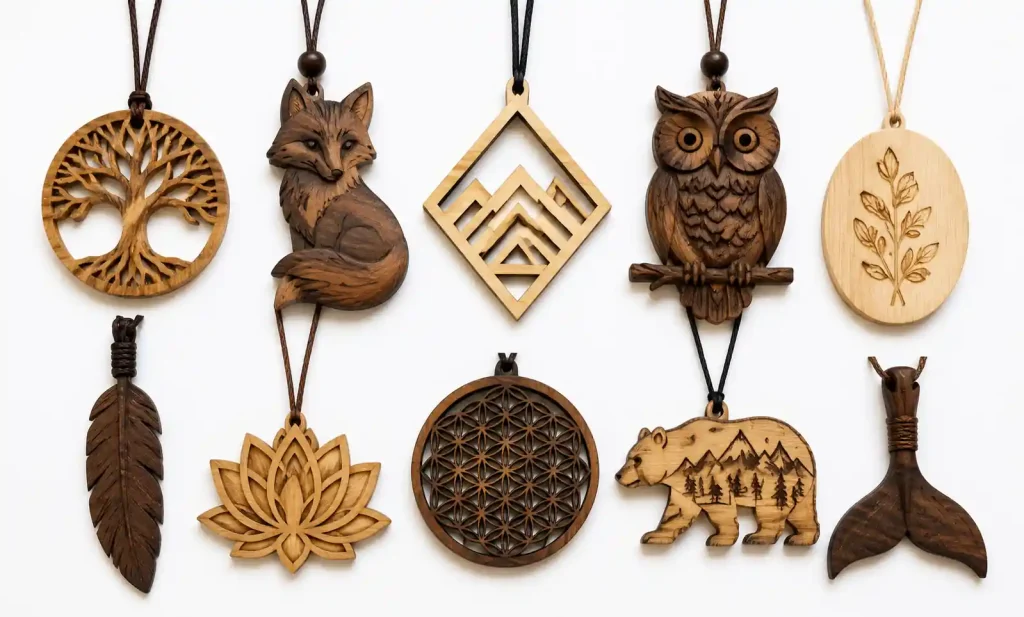
For corporate gift programs, wooden pendants and ornaments provide appropriate formality without excessive luxury, making them suitable for employee recognition, client appreciation, and seasonal gifting. The ability to incorporate subtle branding through engraving or custom shapes helps companies reinforce their identity while offering recipients something genuinely useful and aesthetically pleasing.
2. Understanding Wood Types and Their Characteristics
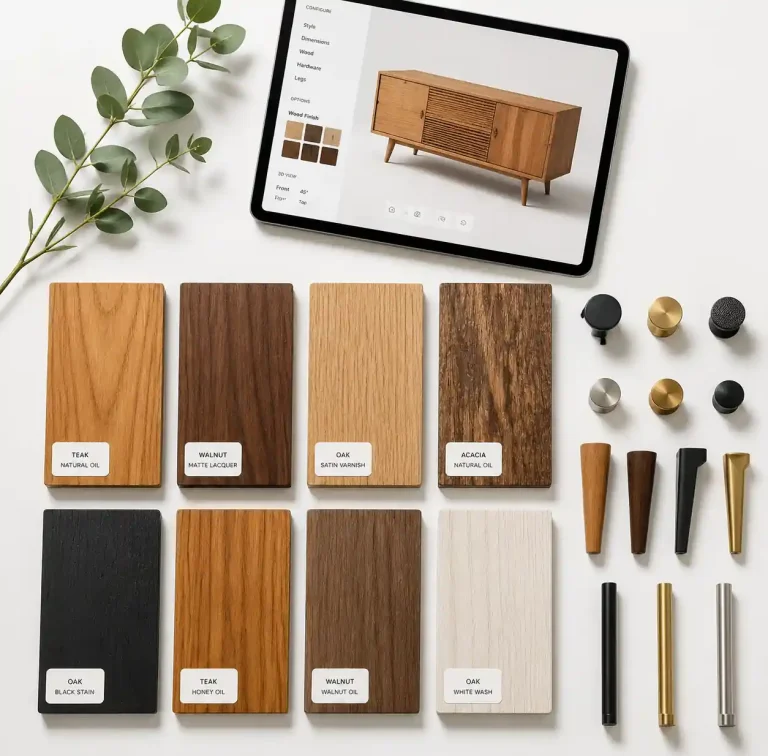
Selecting the appropriate wood species is fundamental to successful customization, as different woods offer distinct visual qualities, durability characteristics, and price points. The table below compares commonly used woods for pendants and ornaments, helping gift brands match material choices to their target markets and quality positioning.
| Holzart | Farbe & Maserung | Haltbarkeit | Am besten geeignet für | Preisspanne |
|---|---|---|---|---|
| Teakholz | Rich golden-brown with visible grain lines | Excellent moisture resistance; ideal for humid climates | Premium corporate gifts, outdoor-themed ornaments | Hoch |
| Sandelholz | Pale yellow to light brown with subtle grain | Moderate; valued for natural fragrance | Luxury pendants, meditation-themed gifts, aromatherapy products | Sehr hoch |
| Mahagoni | Deep reddish-brown with fine, straight grain | Excellent; resists warping and splitting | Executive gifts, traditional ornament designs, heirloom pieces | Hoch |
| Bambus | Light tan with distinctive node patterns | Good; naturally antimicrobial | Eco-conscious brands, modern minimalist designs, budget-friendly lines | Low to Medium |
| Walnuss | Rich dark brown with dramatic grain contrast | Excellent; ages beautifully over time | Premium retail ornaments, artistic pendants, collector items | Hoch |
| Cherry | Warm reddish tone that deepens with age | Good; smooth finish potential | Romantic-themed gifts, seasonal ornaments, jewelry-style pendants | Mittel |
| Ahorn | Pale cream to light tan with subtle grain | Good; takes stain well for color customization | Versatile base for painted or stained designs, contemporary styles | Low to Medium |
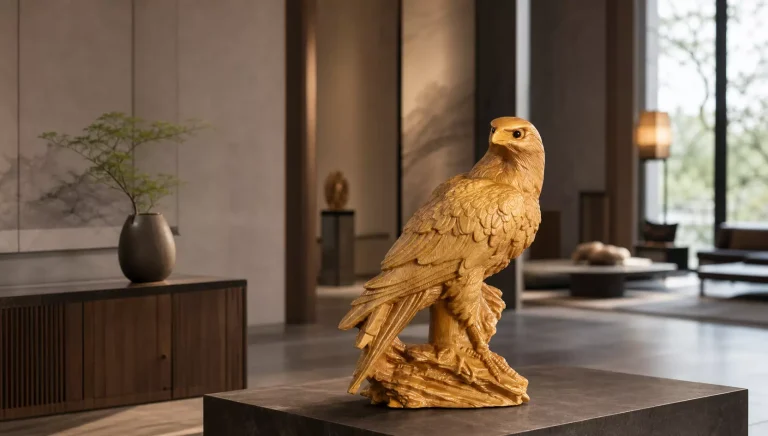
The wood selection directly impacts not only the aesthetic appeal but also the production techniques available. Harder woods like teak and walnut hold fine carving details exceptionally well, making them ideal for intricate animal motifs or complex geometric patterns. Softer woods like bamboo and pine work better for simpler shapes with painted or burned designs, and they machine more quickly, reducing production costs for larger orders.
Consider your target market’s climate when recommending wood types to customers or selecting inventory. Teak’s natural oils provide excellent moisture resistance, making it suitable for coastal regions or humid environments where other woods might warp. Conversely, maple and cherry perform beautifully in controlled indoor environments but may require protective finishes for outdoor display or humid storage conditions.
3. Customization Options for Brand Differentiation
Successful wooden pendant and ornament customization extends far beyond simply adding a logo. Gift brands should consider multiple customization dimensions to create distinctive products that align with their brand identity and customer expectations. The most impactful customization areas include shape design, surface treatment, functional elements, and branding integration.
Shape and Form Customization
Custom shapes transform generic wooden ornaments into brand-specific assets. Simple geometric modifications—rounded versus angular edges, elongated versus compact proportions, or symmetrical versus organic forms—establish visual consistency across product lines. For brands with established mascots or symbols, custom die-cutting creates ornaments in recognizable brand shapes while maintaining the natural wood aesthetic.
Three-dimensional relief carving adds depth and tactile interest without requiring complex shapes. Subtle raised elements like bordered edges, centered medallions, or layered designs create shadow effects that photograph well for online retail while providing premium hand-feel that customers appreciate. This technique particularly suits corporate gifts where understated sophistication matters more than bold visual statements.
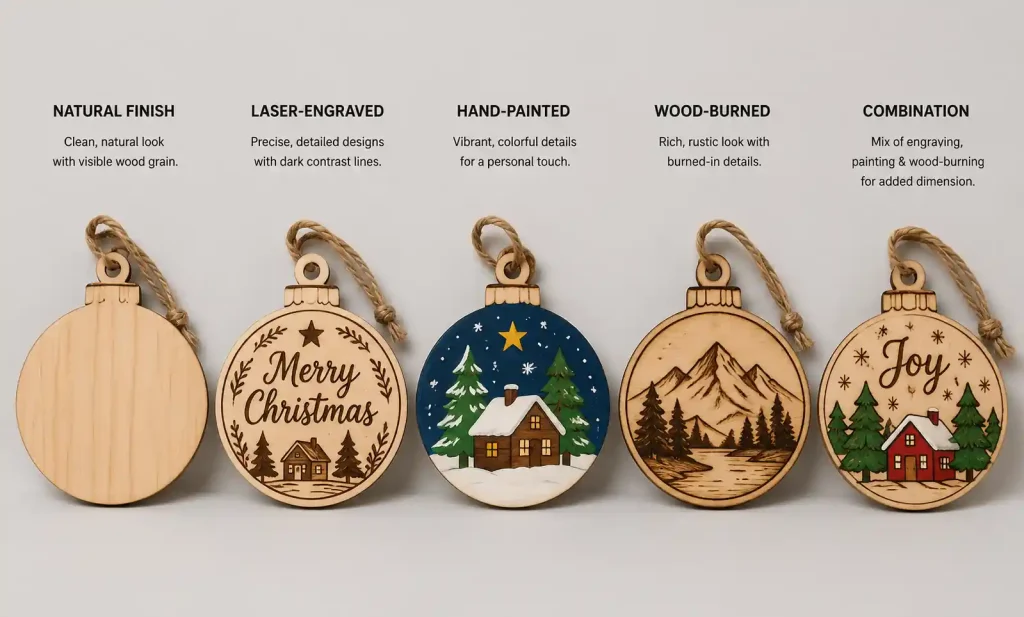
Surface Treatment Techniques
| Technique | Visual Effect | Haltbarkeit | Die besten Anwendungen | Minimum Order Quantity |
|---|---|---|---|---|
| Natural finish with clear coating | Showcases authentic wood grain and color | Excellent; protects against moisture and fingerprints | Premium lines emphasizing natural materials | Über 100 Teile |
| Laser engraving | Precise dark lines contrasting with wood tone | Permanent; won’t fade or wear | Logos, text, detailed artwork, QR codes | 50+ pieces |
| Hand painting | Vibrant colors; artisan aesthetic | Good with proper sealing; may show wear over years | Folk art styles, children’s ornaments, festive designs | 200+ pieces |
| Wood burning (pyrography) | Rich brown tones; traditional craftsmanship feel | Excellent; becomes part of wood surface | Rustic brands, nature themes, traditional patterns | Über 100 Teile |
| Staining | Alters wood color while preserving grain visibility | Excellent when sealed properly | Color coordination with brand palettes, seasonal variations | 300+ pieces |
| Mixed media (wood + metal/fabric) | Contemporary; adds functional elements | Variable depending on materials | Jewelry-style pendants, luxury ornaments, designer collections | Über 100 Teile |
The choice between these techniques should reflect your brand positioning and target customer preferences. Natural finishes appeal to eco-conscious consumers and premium markets valuing authenticity. Laser engraving provides cost-effective personalization for corporate gifts requiring individual names or messages. Hand painting suits brands emphasizing artisan craftsmanship and cultural storytelling, though it requires higher minimum orders to justify the labor investment.
Functional Element Integration
Consider how recipients will actually use the ornaments. Standard hanging holes work for most applications, but gift brands can differentiate through functional details. Metal grommets add durability and a polished appearance for premium lines. Integrated magnetic backs transform ornaments into refrigerator decor. Adjustable cord lengths with decorative beads or tassels enhance perceived value while accommodating different display preferences.
For pendant-style ornaments intended for personal wear or bag accessories, the attachment hardware significantly impacts customer satisfaction. Lobster clasps, swivel hooks, or breakaway safety connections address different use cases. Discuss these options during the design phase rather than defaulting to basic cord loops.
4. Design Considerations for Different Market Segments
Gift brands typically serve diverse customer segments with distinct preferences and purchasing motivations. Successful wooden pendant and ornament customization requires tailoring design elements to match these segment-specific expectations while maintaining overall brand coherence.
Corporate and B2B Clients
Corporate buyers prioritize subtle sophistication and broad appeal over bold artistic statements. Wooden ornaments for this segment should feature clean lines, neutral wood tones, and understated branding. Geometric shapes like circles, hexagons, or rectangles work better than whimsical or heavily stylized designs. Companies often distribute these items to diverse audiences including employees, clients, and partners, so designs should avoid cultural specificity or niche aesthetics that might not resonate universally.
Logo integration for corporate ornaments requires restraint. Small laser-engraved logos positioned tastefully on one side maintain professional appearance while clearly identifying the gift source. Alternatively, custom shapes that subtly echo the company’s logo or industry create branded items without obvious advertising. A financial services firm might choose coin-shaped ornaments, while a nature-focused organization could opt for leaf or tree silhouettes.
Retail Gift Shops and Boutiques
Retail environments demand visual impact and emotional resonance. Ornaments must capture attention in crowded displays while telling stories that convert browsers into buyers. This segment benefits from stronger design statements—vibrant painted details, intricate carvings, or culturally significant motifs that spark conversation and connection.
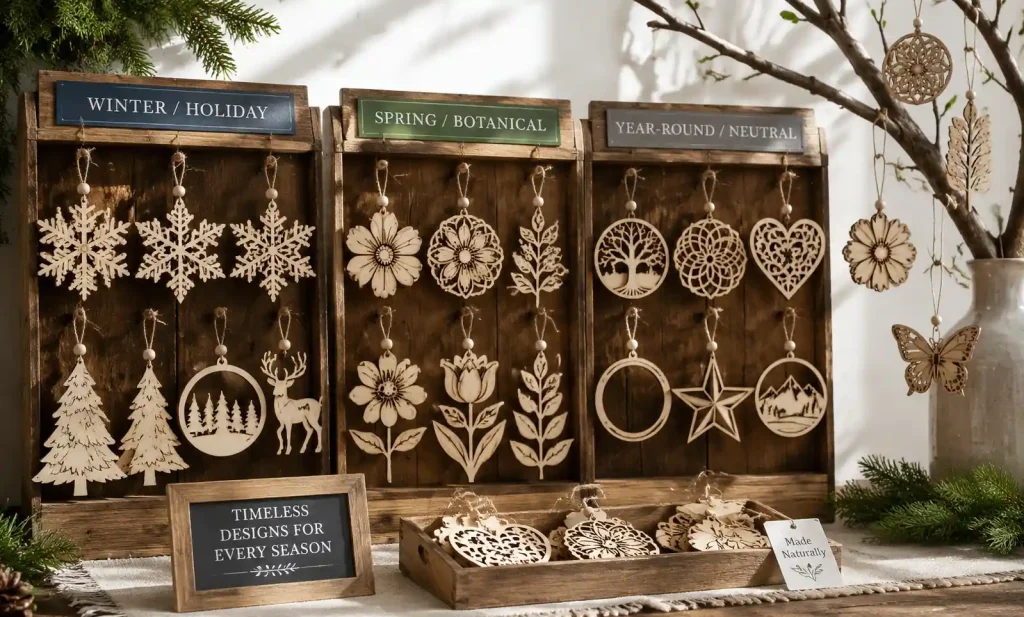
Seasonal collections perform particularly well in retail settings. Gift brands can develop wooden ornament lines for holidays, celebrations, or seasonal themes that encourage repeat purchases throughout the year. Winter collections might feature snowflakes and evergreen designs, while spring lines showcase botanical motifs and pastel staining. This approach builds customer anticipation for new releases while creating natural refresh cycles for store inventory.
Specialty Markets and Niche Communities
Certain customer communities actively seek products reflecting their specific interests or values. Yoga and wellness brands might request mala-style pendants with specific wood counts and knotting. Pet lovers respond to breed-specific animal carvings. Outdoor enthusiasts appreciate ornaments featuring trail markers, compass roses, or wildlife motifs. Understanding these niche preferences allows gift brands to develop focused product lines with dedicated followings rather than competing in oversaturated general markets.
Cultural authenticity matters intensely for these segments. If offering ornaments based on specific cultural traditions—Chinese zodiac animals, Celtic knotwork, or indigenous patterns—ensure designs reflect accurate symbolism and respectful interpretation. Partnering with artisans from those cultural backgrounds adds authenticity and provides compelling origin stories that enhance product value and marketing narratives.
5. Production Process and Lead Times
Understanding the production timeline for customized wooden pendants and ornaments helps gift brands plan inventory, manage customer expectations, and coordinate marketing launches. The process typically unfolds across five distinct phases, each with specific timeframes and approval checkpoints.
Phase 1: Design and Sampling (2-3 weeks)
After finalizing wood selection and customization specifications, manufacturers create initial samples for approval. This phase includes technical drawing review, wood material selection verification, and physical prototype production. Gift brands should plan for at least one revision cycle, as first samples often reveal details requiring adjustment—perhaps the engraving appears too light, the hanging attachment feels flimsy, or the dimensions don’t photograph well.
High-quality manufacturers provide multiple samples showing slight variations in wood grain, finish application, or detail execution. This allows gift brands to select the specific aesthetic that best represents their quality standards before committing to full production. Rush sampling may be available for additional fees, reducing this phase to 7-10 days, though standard timelines generally yield better results as artisans work without compressed schedules.
Phase 2: Production Setup and Material Preparation (1 week)
Once samples receive approval, production setup begins. This includes sourcing sufficient quantities of the specified wood type, programming CNC machines or laser engravers with final designs, preparing staining or painting formulas to match approved samples, and organizing assembly stations for multi-component designs.
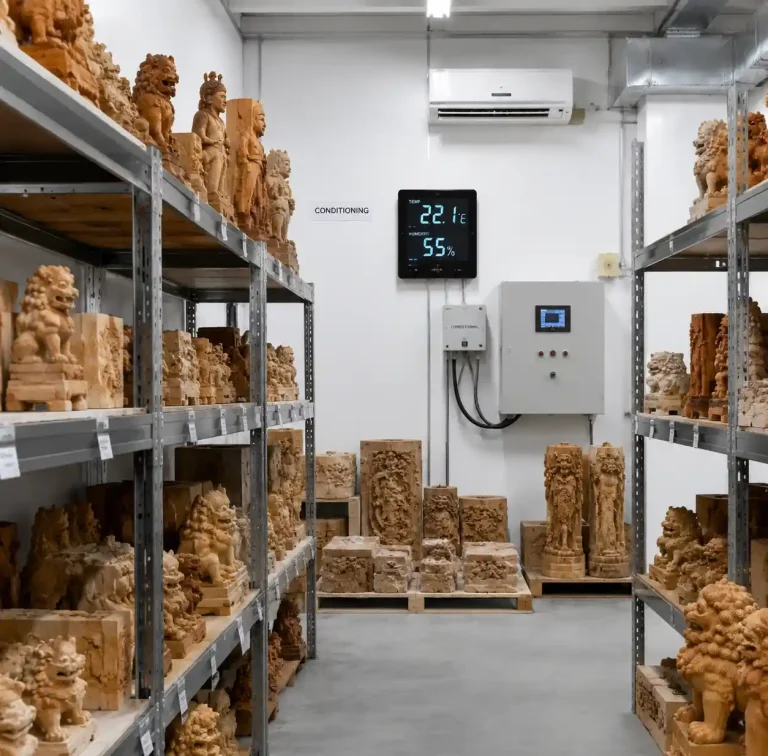
Material preparation varies significantly by wood type. Teak and mahogany require careful drying and stabilization to prevent later warping. Sandalwood may need specific cutting orientations to maximize fragrance retention. Bamboo often arrives pre-processed but requires inspection for consistent color and node spacing. This behind-the-scenes work directly impacts final product quality and consistency across your order.
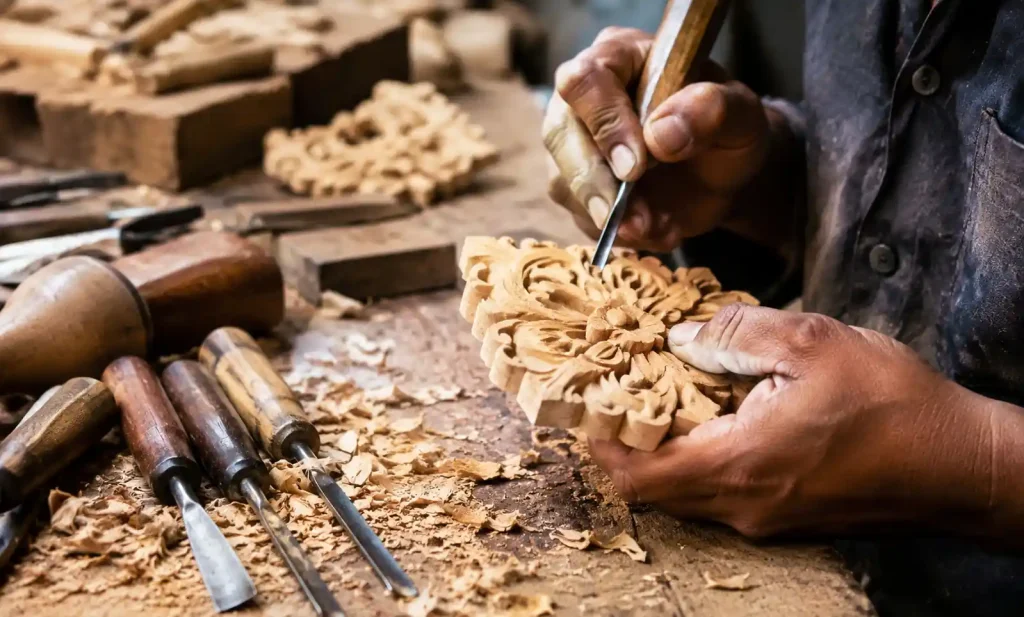
Phase 3: Production and Craftsmanship (2-4 weeks)
Actual production timelines depend on order quantity, design complexity, and current factory capacity. Simple laser-engraved designs with natural finishes process fastest, often completing 1,000-2,000 pieces per week. Hand-carved details, multiple-step finishing processes, or painted elements extend production time significantly. Complex designs with mixed materials or assembled components may require 4-6 weeks even for moderate quantities.
Quality manufacturers maintain consistent pacing rather than rushing to meet unrealistic deadlines. Compressed schedules increase error rates, produce inconsistent finishes, and often result in second-quality pieces that damage brand reputation. When planning product launches or seasonal inventory, work backward from your needed delivery date, adding buffer time for potential delays rather than pressuring manufacturers into compressed timelines.
Phase 4: Quality Control and Packaging (1 week)
Professional wooden ornament manufacturers implement multi-stage quality control processes. Initial inspection occurs during production, removing obviously flawed pieces before they reach finishing stages. Final inspection examines each completed ornament for wood defects, finish quality, engraving clarity, hardware security, and packaging readiness.
Gift brands should discuss quality tolerance levels during contract negotiation. Natural wood products inherently include slight variations in color, grain pattern, and dimensions. Establishing clear acceptance criteria for minor variations versus unacceptable defects prevents disputes during final delivery. Most manufacturers allow 2-5% variation for natural material characteristics while maintaining zero tolerance for structural defects or finishing errors.
Phase 5: Shipping and Delivery (1-3 weeks)
Shipping duration depends on manufacturing location, destination, and selected transportation method. Sea freight from Asian manufacturers to North American or European markets typically requires 3-4 weeks but offers cost advantages for large orders. Air freight reduces transit to 5-7 days but significantly increases per-unit costs, making it more suitable for sample shipments or urgent replenishment orders.
Total Timeline Summary
| Order Type | Typical Lead Time | Minimum Order Quantity | Am besten geeignet für |
|---|---|---|---|
| Stock designs with logo engraving | 3-4 weeks | 50-100 pieces | Testing new product categories, quick market entry |
| Semi-custom (stock shape, custom finish) | 5-6 weeks | 200-500 pieces | Seasonal collections, brand color coordination |
| Fully custom design | 8-10 weeks | 500-1000 pieces | Signature product lines, brand-specific designs |
| Complex multi-material or hand-carved | 10–14 Wochen | 300-500 pieces | Premium collections, limited editions |
6. Quality Standards and Inspection Criteria
Establishing clear quality standards before production begins protects gift brands from receiving substandard products while giving manufacturers explicit targets to meet. These standards should address both aesthetic elements and functional performance, recognizing that wooden ornaments serve decorative purposes while needing sufficient durability for handling, shipping, and years of use.
Wood Quality Assessment
High-quality wooden pendants and ornaments start with properly selected and prepared wood. Inspect samples and production pieces for consistent color within reasonable natural variation—dramatic color differences between pieces in the same order suggest mixed wood batches or inconsistent staining. The wood surface should feel smooth without rough patches, though natural texture variations add character rather than indicating defects.
Check for structural issues including cracks, splits, or knots that compromise integrity. Small, tight knots may be acceptable in rustic or natural-finish designs where they add character, but cracks or loose knots create weak points that may worsen over time. Wood grain should run consistently through each piece, as cross-grain cutting increases breakage risk during production and customer use.
Moisture content significantly affects long-term performance. Properly dried wood should measure 8-12% moisture content for most applications. Higher moisture levels cause warping as pieces dry in customer environments, while excessively dry wood becomes brittle and prone to cracking. Request moisture content documentation from manufacturers, particularly for large orders or premium lines where quality issues would damage brand reputation.
Finish and Surface Treatment Quality
Surface finish quality separates professional products from amateur crafts. Clear coatings should appear uniform without drips, bubbles, or cloudy areas. Run your finger across finished surfaces—high-quality coatings feel silky smooth, while poor application leaves tacky spots or rough texture. For painted ornaments, examine color consistency, edge precision, and coverage completeness. Hand-painted items naturally show slight variations that confirm authentic craftsmanship, but sloppy brushwork or unintended color bleeding indicates poor execution.
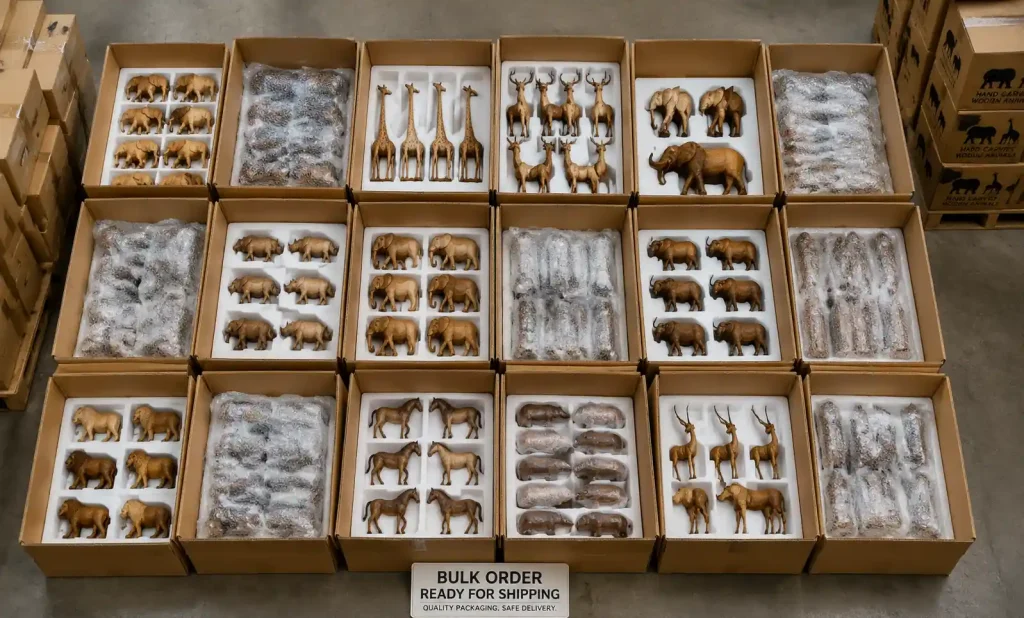
Laser engraving should appear crisp and consistent across all pieces. Check that fine lines remain continuous without breaks or fade-outs, and verify that text remains readable at intended viewing distances. Engraving depth should be sufficient to create clear visual contrast while avoiding so deep a cut that it weakens the wood structure. For hand-carved or wood-burned designs, evaluate detail clarity and consistent execution across the order.
Hardware and Functional Components
Hanging hardware must be securely attached and appropriately sized for the ornament weight and intended use. Pull cords and attachments firmly to verify they won’t separate during normal handling. Metal components like eye screws, jump rings, or grommets should be corrosion-resistant, particularly for ornaments that may be displayed in humid environments or near windows where condensation occurs.
For pendants intended for personal wear, evaluate cord quality and clasp functionality. Cords should be properly finished at ends to prevent fraying, and clasps should open and close smoothly without sticking or accidental release. If designs include decorative beads or tassels, check that these elements are secured properly and won’t loosen or detach with regular use.
Packaging Integrity
Quality control extends to packaging, particularly for gift brands where presentation directly influences customer satisfaction. Individual ornament packaging should provide adequate protection during shipping while presenting attractively at point of sale. Check that packaging materials don’t scratch or mark finished wood surfaces. For ornaments displayed in boxes or hang-tag packaging, verify that materials complement rather than detract from the product aesthetic.
7. Packaging and Presentation for Retail Success
Packaging transforms wooden pendants and ornaments from craft supplies into gift-ready products. For gift brands, packaging serves multiple critical functions: protecting inventory during shipping and storage, communicating brand identity and product value, providing necessary product information and care instructions, and creating an unboxing experience that encourages customer satisfaction and social sharing.
Protection vs. Presentation Balance
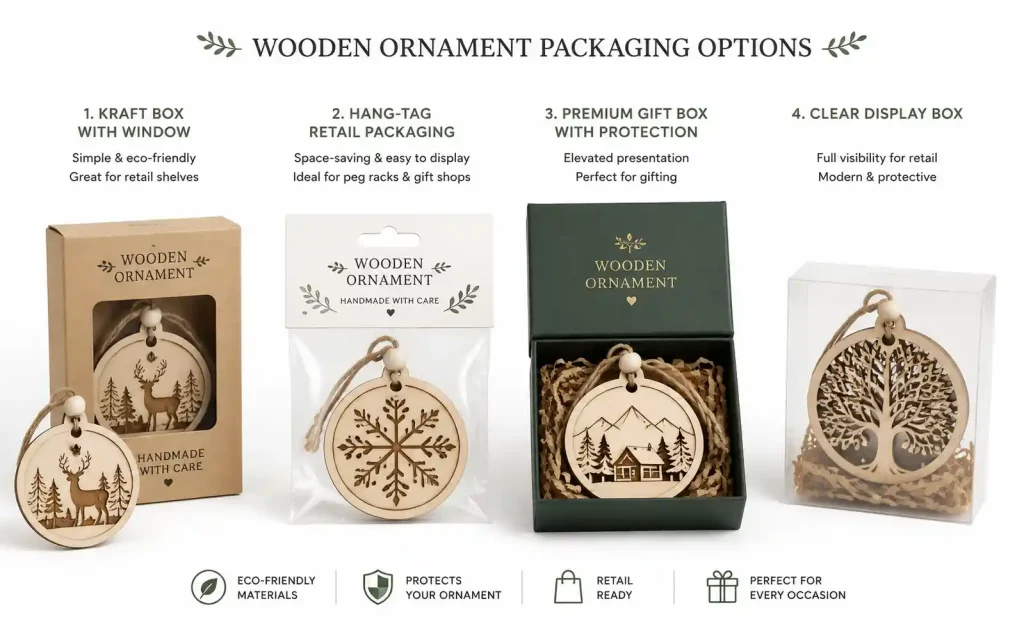
Effective packaging must protect fragile wooden items without excessive material that increases costs and environmental impact. Individual poly bags prevent scratches and moisture exposure during shipping but offer zero presentation value. Kraft paper boxes with window cutouts provide both protection and product visibility while aligning with the natural, eco-friendly positioning that wooden products inherently suggest.
For premium lines, consider rigid gift boxes with magnetic closures, foam inserts, or fabric linings. These packaging solutions significantly increase per-unit costs but create memorable unboxing experiences that justify higher retail prices and encourage gift-giving. The packaging investment should align with product positioning—a $50 retail ornament warrants substantial packaging, while $10 items require cost-effective solutions that still convey quality.
Brand Communication Through Packaging
Packaging provides valuable real estate for brand storytelling and product differentiation. Include concise descriptions highlighting key value propositions: handcrafted quality, sustainable materials, cultural symbolism, or customization options. For products with specific cultural meanings or traditions, brief explanatory text transforms ornaments from simple decorations into meaningful gifts with stories recipients want to share.
Care instructions demonstrate quality commitment and extend product lifespan. Simple guidance about avoiding direct sunlight, cleaning with dry cloth, or applying occasional wood oil helps customers maintain their purchases while reducing return rates from preventable damage. QR codes linking to video care instructions or styling inspiration add value without increasing printing costs or package size.
Retail Display Considerations
Gift brands selling through wholesale or retail partnerships should design packaging that facilitates attractive retail display. Hang-tag packaging with euro holes allows vertical display on pegboards or racks, maximizing retail floor space efficiency. Stackable boxes with visible branding on multiple sides maintain brand presence regardless of shelf orientation. Window packaging lets customers assess wood grain and craftsmanship quality without opening packages, reducing damaged inventory from customer handling.
Consider seasonal packaging adaptability. Generic kraft boxes with removable belly bands or sticker labels allow the same base packaging to serve multiple seasons or occasions simply by changing the decorative band. This approach reduces packaging inventory complexity while maintaining seasonal relevance. Alternatively, focused seasonal packaging for holiday collections creates urgency and collectibility that drives repeat purchases from engaged customers.
8. FAQ
What minimum order quantities should I expect for custom wooden ornaments?
Minimum order quantities vary significantly by customization complexity and manufacturer. Simple laser engraving on stock shapes often starts around 50-100 pieces, making it accessible for small gift brands or market testing. Semi-custom projects using standard shapes with custom finishes or colors typically require 200-500 pieces to justify production setup. Fully custom designs with proprietary shapes, multi-step finishing, or hand-crafted elements usually need 500-1000 piece minimums since manufacturers must create custom tooling and setup specialized production processes. Discuss your specific requirements with manufacturers, as some offer flexibility for first orders or seasonal collections.
How do I ensure consistent quality across large orders?
Request and approve a “golden sample” before production begins—a physical reference piece that defines acceptable quality standards. Manufacturers use this sample to train production staff and evaluate finished pieces. For orders exceeding 1,000 units, request staged inspections where you review the first 100-200 completed pieces before the full production run continues. Consider third-party inspection services for very large orders or new manufacturing relationships. Finally, maintain detailed specifications documenting acceptable variation ranges for natural characteristics like wood grain and color, distinguishing these from unacceptable defects like structural flaws or finishing errors.
Can wooden pendants and ornaments be personalized with individual names or messages?
Yes, laser engraving makes individual personalization economically viable for even modest quantities. Most manufacturers can accommodate variable data engraving, where each piece receives unique text from a provided spreadsheet. This capability is particularly valuable for corporate gifts, wedding favors, or memorial items. Setup fees apply for variable data projects, and per-unit costs increase slightly, but the personalization dramatically increases perceived value and customer satisfaction. Allow additional production time for personalized orders, typically adding 1-2 weeks to standard timelines.
Welche Holzarten eignen sich am besten für den internationalen Versand?
Teak, mahogany, and walnut offer excellent stability across varying humidity and temperature conditions during international shipping. Their natural density and oil content resist warping and cracking better than softer woods. Bamboo also ships well due to its dimensional stability, though it requires quality finishing to prevent surface drying. Avoid woods known for significant expansion and contraction with humidity changes unless they receive professional stabilization treatment and protective finishing. Proper packaging with moisture barriers helps all wood types survive international transit regardless of inherent stability characteristics.
How should I approach sustainability and environmental claims for wooden products?
Focus on verifiable facts rather than vague environmental claims. If your manufacturer uses FSC-certified wood, plantation-grown materials, or reclaimed wood sources, document and promote these specifics. Natural biodegradability is a legitimate advantage over plastic alternatives, though be careful not to suggest customers should discard wooden products casually. Emphasize longevity and heirloom quality instead, positioning wooden ornaments as lasting items that reduce consumption over time. If products use water-based finishes or low-VOC coatings, mention these specific environmental considerations rather than making broad “eco-friendly” claims without supporting evidence.
What are typical retail price points for quality wooden pendants and ornaments?
Retail pricing varies widely based on size, wood type, and craftsmanship complexity. Simple laser-engraved pendants in common woods like maple or bamboo typically retail between $8-15. Mid-range ornaments with hand-finishing or premium woods like walnut or cherry usually price at $18-35. Premium pieces featuring exotic woods like sandalwood, intricate hand-carving, or mixed materials often retail from $40-80. Luxury collector pieces or large statement ornaments can exceed $100. Gift brands generally apply 2.5-3x markup from wholesale cost for retail pricing, though positioning, brand reputation, and target market influence specific pricing strategies. Evaluate comparable products in your target retail channels to establish competitive yet profitable pricing for your specific market segment.
How do I handle natural variations in wood products when customers expect consistency?
Educate customers about wood’s natural characteristics through product descriptions, packaging inserts, and website content. Frame natural variation as a feature confirming authenticity rather than a flaw—each piece’s unique grain pattern and subtle color differences make it genuinely one-of-a-kind. Include photography showing several pieces side-by-side so customers understand the variation range they should expect. For significant variations like prominent knots or dramatic grain patterns, consider creating “select grade” and “premium grade” tiers at different price points, letting customers choose their preferred aesthetic while acknowledging natural material realities. Clear communication prevents returns and complaints while building appreciation for handcrafted wooden products’ inherent individuality.
Fazit
Customizing wooden pendants and ornaments for gift brands is all about balancing what looks great with what actually works in production. Get the wood selection right, set clear specs, allow realistic lead times, and don’t treat packaging as an afterthought—it’s part of the product experience.
Start with your target customer: corporate, boutique, or niche—each wants something different. Choose wood that fits your price point and holds up in your customers’ environments. Invest in samples to nail the details before full run, and be crystal clear on what’s acceptable natural variation versus a defect.Pick a manufacturer who communicates well and can grow with you—not just someone who takes orders. The best partnerships go beyond transactions into real collaboration.
If you’re new to this, test the waters with semi‑custom options—use existing shapes but apply your own finishes and branding. It’s lower risk and lets you gauge demand before going all‑in on proprietary designs.Want to explore? Check out our collection or reach out to our design team—we’re happy to talk through custom options for your brand.