




What Is Wood Carving? A Practical Guide to Handmade Wooden Products
Wood carving is one of the oldest and most expressive forms of handmade craftsmanship. From decorative sculptures and wooden swords to bracelets, pendants, and desktop ornaments, carved wood products continue to attract buyers who value natural materials, cultural meaning, and handcrafted detail.
Today, wood carving is not only a traditional art form. It is also an important product category for gift brands, home decor companies, collectors, souvenir shops, and wholesale buyers looking for unique wooden products with strong visual appeal.
What Is Wood Carving?
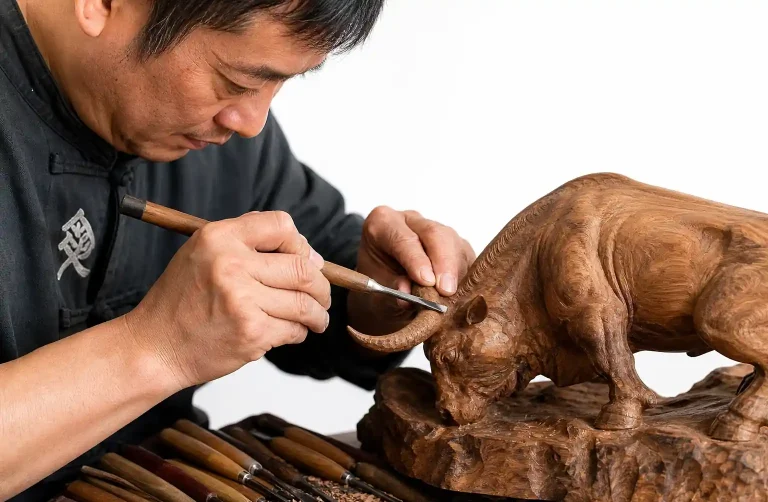
Wood carving is the process of shaping wood into decorative, functional, or symbolic forms using tools, machinery, or a combination of both. The final result may be a sculpture, ornament, accessory, display piece, or collectible item.
Unlike mass-produced plastic products, carved wood items carry natural grain, texture, and slight handcrafted variation. These details are part of what makes wood carving feel warm, authentic, and valuable.
Why Wood Carving Remains Popular
Wood carving remains popular because it combines natural material with artistic expression. Each piece can feel personal, meaningful, and visually distinctive.
For buyers and brands, wood carving also offers strong market flexibility. It can be positioned as a gift product, cultural item, luxury decor piece, spiritual accessory, or retail collectible depending on the design and target audience.
Common Wood Types Used for Carving
Different products require different woods. Material choice affects the appearance, carving detail, durability, and final finish of the product.
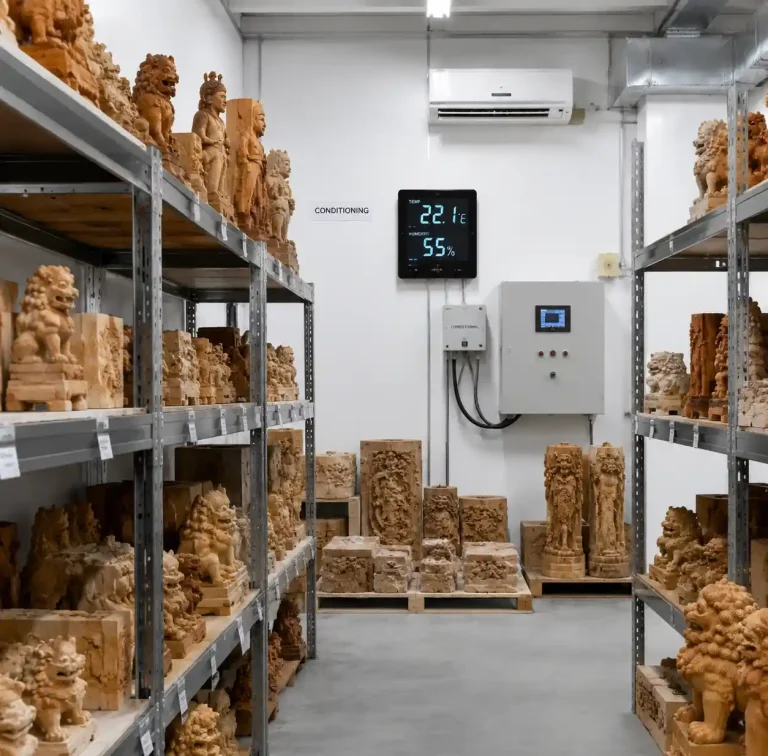
For decorative sculptures and kinetic ornaments, stable hardwoods such as redwood, camphor wood, and cypress wood are often used. These woods support detailed shaping and long-term display.
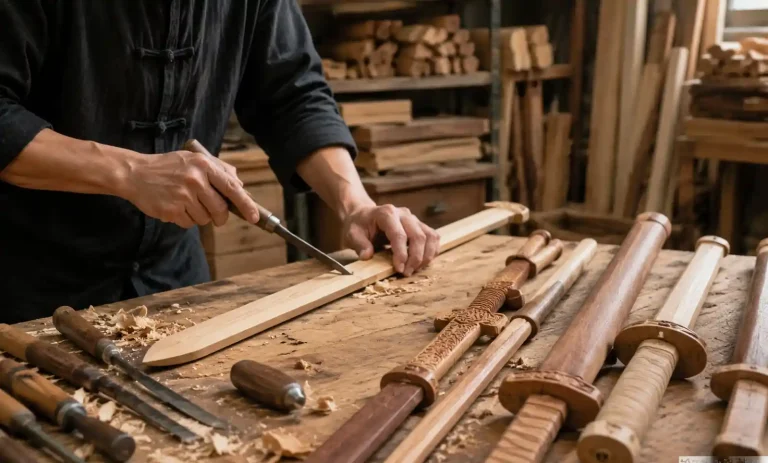
For wooden swords and decorative blades, peach wood and violet wood are common options because they offer firm texture and attractive grain.
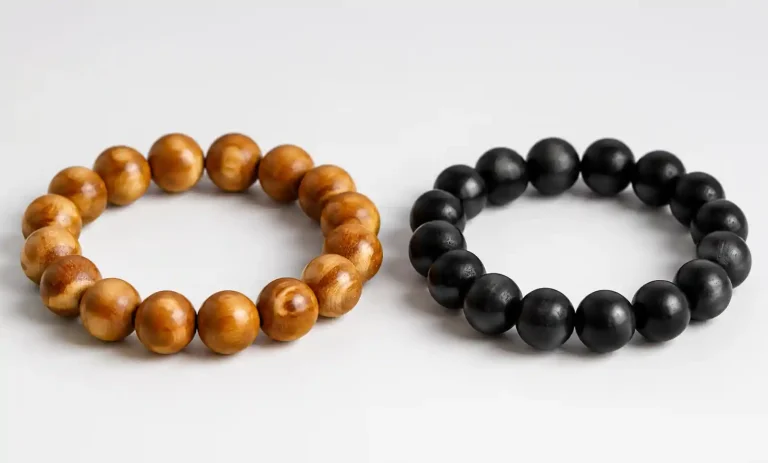
For bracelets and prayer beads, premium woods such as red sandalwood, green sandalwood, sandalwood, ebony, and agarwood are often chosen for their fine grain and polished finish.
For pendants, charms, and lightweight accessories, wood such as peach wood, bodhi seeds, olive nut, coconut shell, and linden wood may be used.
For small desktop figurines, linden wood is often a practical choice because it is lightweight, easy to carve, and suitable for painted surfaces.
The Wood Carving Process
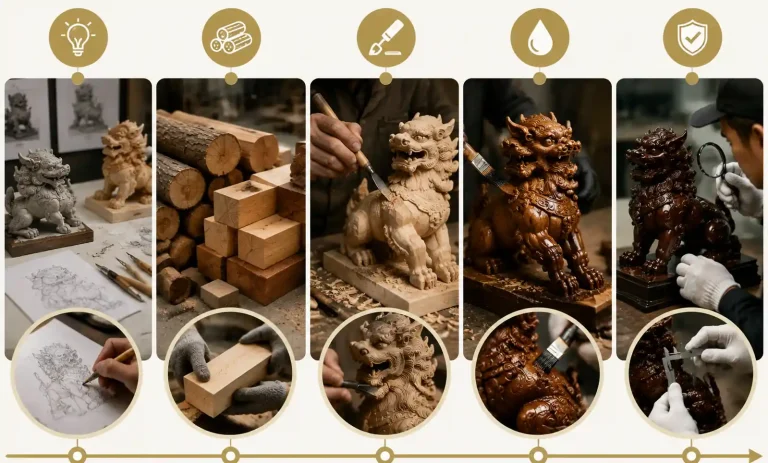
Wood carving usually begins with material selection. The right wood is chosen based on the product type, size, style, and intended use.
Next comes rough shaping. At this stage, the basic form of the product is created using cutting tools or CNC processing.
After that, the piece moves into fine carving or hand detailing. This is the stage where personality, expression, and texture begin to appear.
The product is then polished, finished, and checked for quality before packaging. For many handmade products, machine work and hand finishing are combined to balance efficiency with craftsmanship.
Where Wood Carving Is Used Today
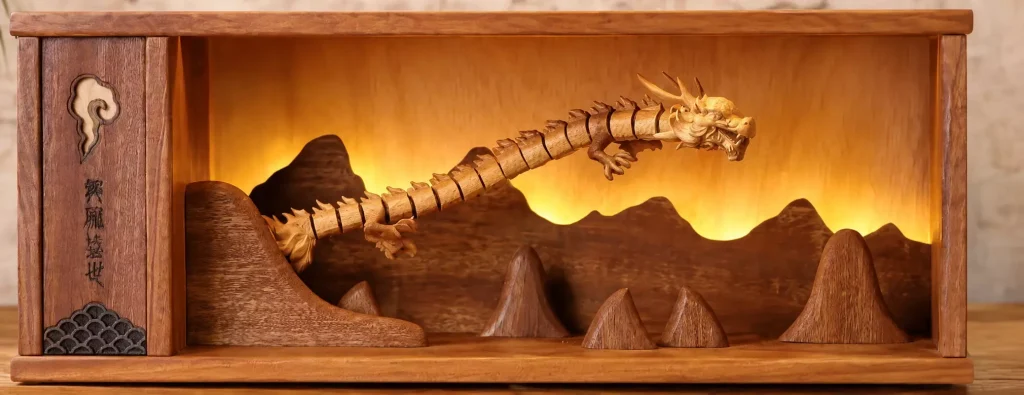
Wood carving is used across many product categories and market segments.
In home decor, carved wood pieces are used on shelves, desks, tables, and display cabinets. In gift retail, they work well as seasonal gifts, corporate gifts, and novelty items. In spiritual or cultural markets, carved wood products often carry symbolic meaning. In collector and lifestyle markets, they are valued for their handmade feel and artistic presence.
This wide range of applications makes wood carving an especially versatile category for wholesale and OEM buyers.
Why Buyers Choose Handcrafted Wooden Products
Many buyers prefer handcrafted wooden products because they feel more premium and more memorable than ordinary factory-made items.
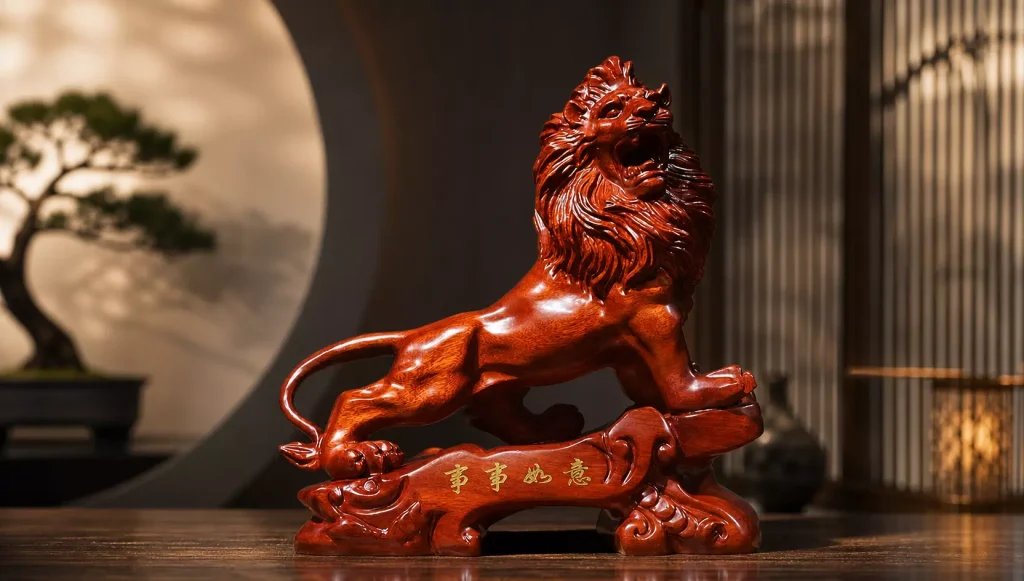
A carved wooden sculpture, for example, can show leadership, prosperity, protection, luck, or cultural identity through form and material. A wooden pendant can become a small wearable object with emotional value. A desktop ornament can add warmth to a workspace without taking up much space.
This combination of function, appearance, and meaning is one reason wood carving continues to perform well in the gift and decor market.
Wood Carving for OEM and Wholesale Projects
For B2B buyers, wood carving is especially attractive because it can be adapted to many product lines.
A manufacturer can develop custom shapes, sizes, finishes, packaging, and branding to match a buyer’s market. This makes wood carving suitable for OEM and ODM projects, private label collections, and seasonal product launches.
Whether a buyer needs one hero product or a full product range, carved wooden items can be developed to fit different price points and retail strategies.
What Makes a Good Wood Carving Product?
A good wood carving product usually has three qualities: strong material selection, clean craftsmanship, and clear market positioning.
The wood should suit the design. The carving should be precise and balanced. The final product should also fit the intended audience, whether that audience is a luxury gift buyer, a home decor shopper, or a collector.
When these elements work together, a wood carving product becomes both visually appealing and commercially useful.
Final Thoughts
Wood carving remains an important category in handmade products because it combines natural material, craftsmanship, and cultural value. From decorative sculptures to bracelets, pendants, and small ornaments, carved wood pieces continue to find strong demand in global markets.
For brands and buyers, the opportunity is not just in the product itself, but in how the product is designed, positioned, and presented.
If you are developing a custom wood carving project, choosing the right wood, process, and style can make a major difference in the final result.
Looking for a custom wood carving manufacturer? Contact us to discuss OEM/ODM development, wholesale pricing, and product customization.
FAQ
What is wood carving used for?
Wood carving is used for sculptures, ornaments, accessories, gifts, home decor, cultural products, and collectible items.
Which wood is best for carving?
The best wood depends on the product. Hardwoods are often used for detailed and durable items, while lighter woods may be better for small figurines and painted pieces.
Can wood carving products be customized?
Yes. Many wood carving products can be customized by size, material, finish, shape, logo, and packaging.