





Modern Office Decor Trends: Why Wooden Desktop Figurines Are Essential
Offices have changed. Desks used to be just work surfaces—now they’re personal statements. Wooden desktop figurines have become essential because they bring natural warmth, cultural depth, and craftsmanship to spaces dominated by screens and synthetic materials. From executive office wooden decor to personal desktop accents, the right piece can transform a sterile workspace into a professional environment that reflects your values and aspirations. Here’s what works, what doesn’t, and how to pick pieces that actually make a difference.
Why Wooden Figurines Matter in Modern Offices
Contemporary office design prioritizes biophilic elements—natural materials that reconnect us with nature in built environments. Wooden desktop figurines fulfill this need while offering practical benefits. The natural grain and warm tones create visual interest without overwhelming minimalist desk setups.
Research consistently shows personalized workspace elements improve job satisfaction and productivity. A well-chosen wooden figurine serves as a meaningful anchor—something that reflects your personality, cultural heritage, or professional aspirations. The tactile quality also matters; during stressful moments, running your fingers across smooth, hand-polished wood provides subtle sensory relief that screens can’t offer.
Cultural Significance and Symbolism
Traditional wood carving carries deep cultural meanings. Understanding these helps you choose pieces that resonate with professional values.
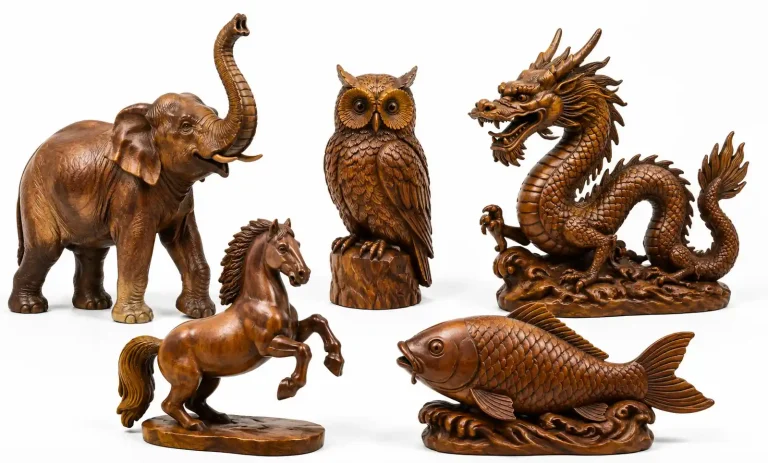
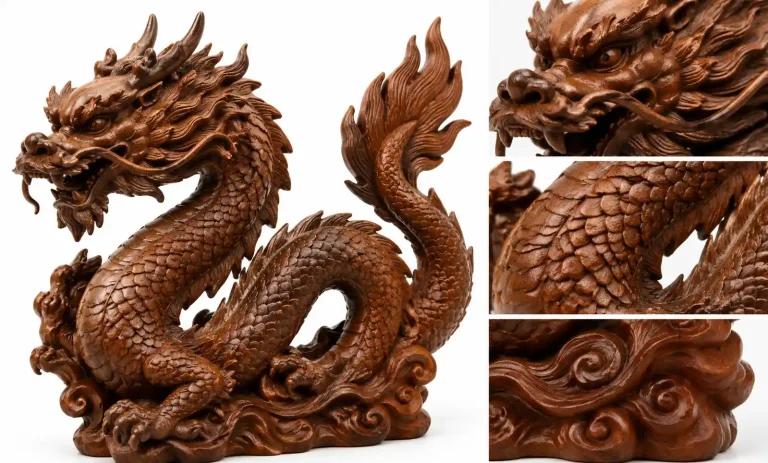
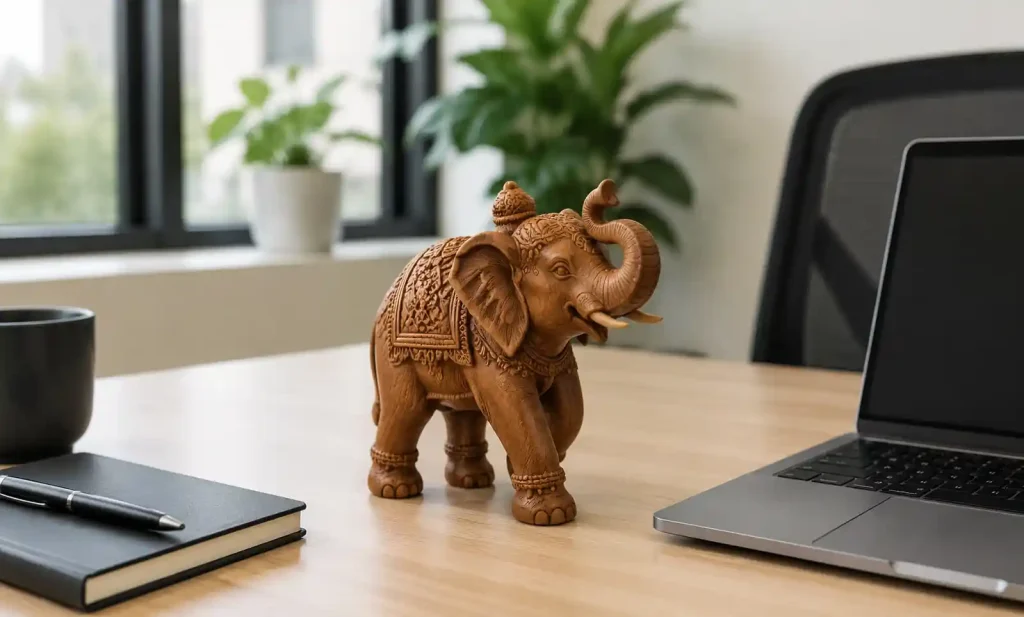
In Chinese tradition, dragons symbolize power, ambition, and career success—popular for executive desks. Elephant carvings represent wisdom, stability, and good fortune. Trunk position matters: upward-facing invites prosperity; downward signifies grounding and patience.
Japanese woodcarving emphasizes simplicity and natural beauty. Netsuke-inspired miniatures reflect Zen principles of mindfulness and attention to detail—ideal for focused professional work.
Western traditions also contribute meaning. Owl figurines represent wisdom and scholarly pursuit. Bear carvings symbolize strength and leadership. Deer represent grace and gentleness—useful for counseling or collaborative fields.
When selecting a piece, consider how its cultural meaning aligns with your professional identity. This symbolic resonance transforms a decorative object into a daily reminder of personal values.
Types of Desktop Figurines and Their Applications
| Figurine Type | Key Characteristics | Best For | Professional Settings |
|---|---|---|---|
| Animal Carvings | Realistic/stylized creatures; rich symbolism | Personal expression; conversation starters | Executive offices, creative studios |
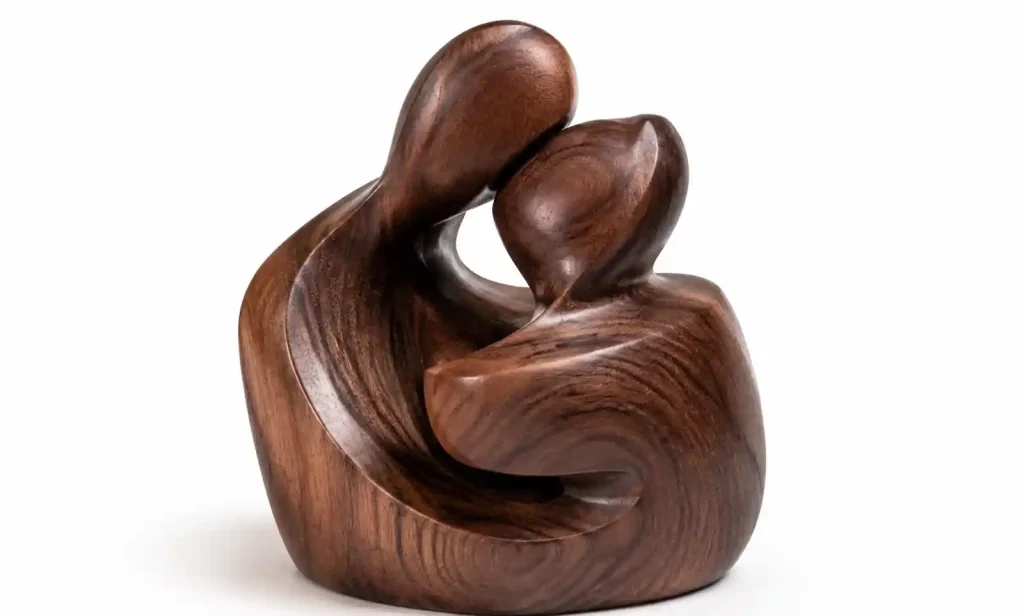
| Abstract Sculptures | Modern geometric forms; minimalist aesthetic | Contemporary spaces; design-forward offices | Corporate lobbies, modern startups |
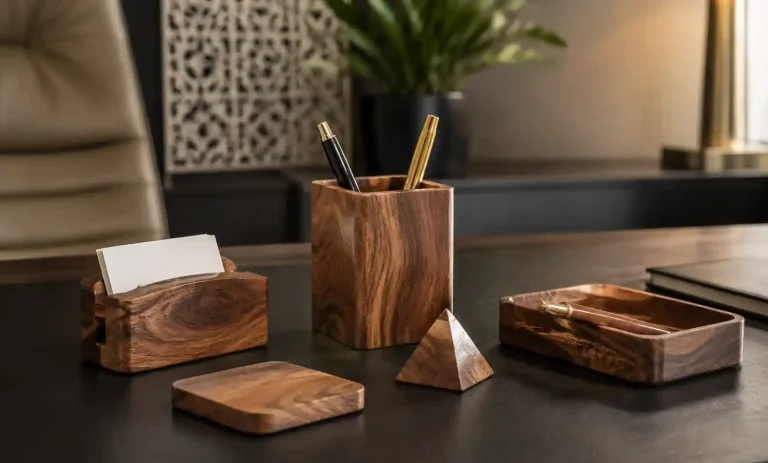
| Functional Pieces | Pen holders, card stands, bookends | Practical use + aesthetic value | Traditional offices, reception desks |
| Miniature Figurines | 2-4 inches; intricate detail | Limited desk space; curated collections | Cubicles, shared workspaces |
| Cultural Icons | Buddha, Ganesha, traditional symbols | Personal reflection; meditation spaces | Wellness-focused offices |
Each category serves different needs. Animal carvings work well when you want symbolic meaning plus natural beauty. A teak wood elephant on your desk communicates stability and wisdom without explanation. Abstract sculptures suit minimalist professionals who prefer modern aesthetics. Functional pieces offer excellent value—a rosewood business card holder with traditional patterns elevates everyday objects to art.
Choosing the Right Figurine for Your Workspace
Size and Proportion: For standard office desks (48-60 inches), pieces between 4-8 inches provide visual presence without crowding. Smaller desks benefit from 2-4 inch miniatures. Executive desks can accommodate statement pieces up to 12 inches.
Wood Species and Color: Teak and mahogany provide rich warm browns that complement traditional furniture. Walnut offers deep chocolate tones for sophisticated modern offices. Maple or boxwood work well in Scandinavian-inspired spaces with light wood furniture.
Style Alignment: Traditional offices benefit from realistic animal carvings or cultural symbols rendered in conventional styles. Contemporary minimalist spaces call for abstract forms or highly stylized interpretations. Conservative fields like law or finance favor understated elegance; creative industries allow more expressive choices.
Material Quality and Craftsmanship Indicators
| Wood Type | Color & Grain | Durability | Natural Properties | Best Applications |
|---|---|---|---|---|
| Teak | Golden-brown; straight to wavy grain | Excellent | Natural oils resist moisture | High-use desktop items; humid climates |
| Mahogany | Reddish-brown; fine, straight grain | Very good | Stable; resists warping | Elegant figurines; executive gifts |
| Rosewood | Deep purple-brown; bold grain | Excellent | Dense and heavy; takes high polish | Premium pieces; collector items |
| Walnut | Rich chocolate brown; moderate grain | Good | Beautiful natural finish | Contemporary designs; modern offices |
| Sandalwood | Light golden; fine grain | Good | Natural fragrance; spiritual associations | Meditation spaces |
| Boxwood | Pale yellow; very fine grain | Very good | Extremely dense; ideal for fine detail | Miniature carvings |
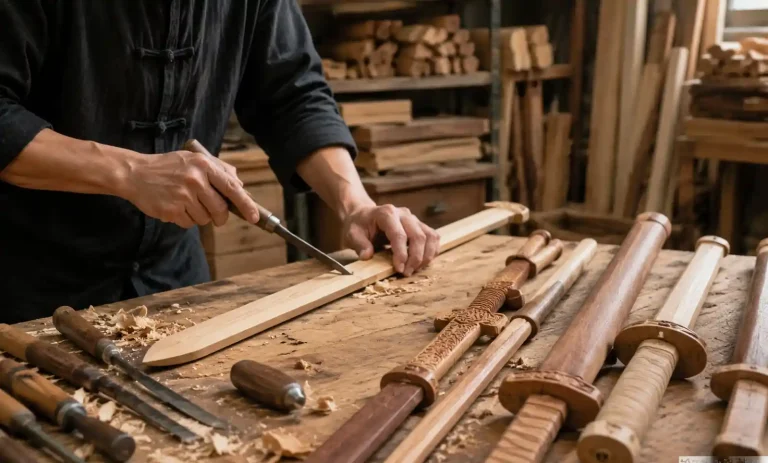
Handcarved pieces show subtle irregularities—slight variations in depth, organic tool marks, natural asymmetries. These aren’t flaws but authenticity markers. Machine-carved pieces display perfect uniformity and lack character.
Quality carvings show clean, crisp details without fuzzy edges or torn grain. Run your finger along edges—they should feel smooth and intentional. Check the base; skilled carvers finish all surfaces, not just visible ones. Surface finish matters too—traditional hand-rubbed oil finishes develop beautiful patina over time. Spray lacquers create plastic-like surfaces that obscure wood character.
Styling and Placement Strategies
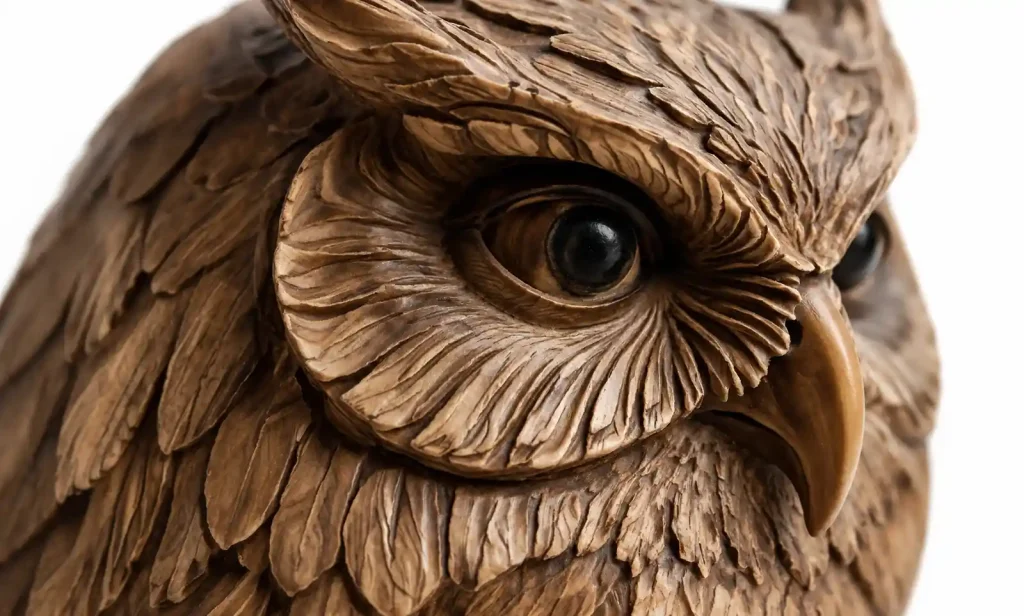
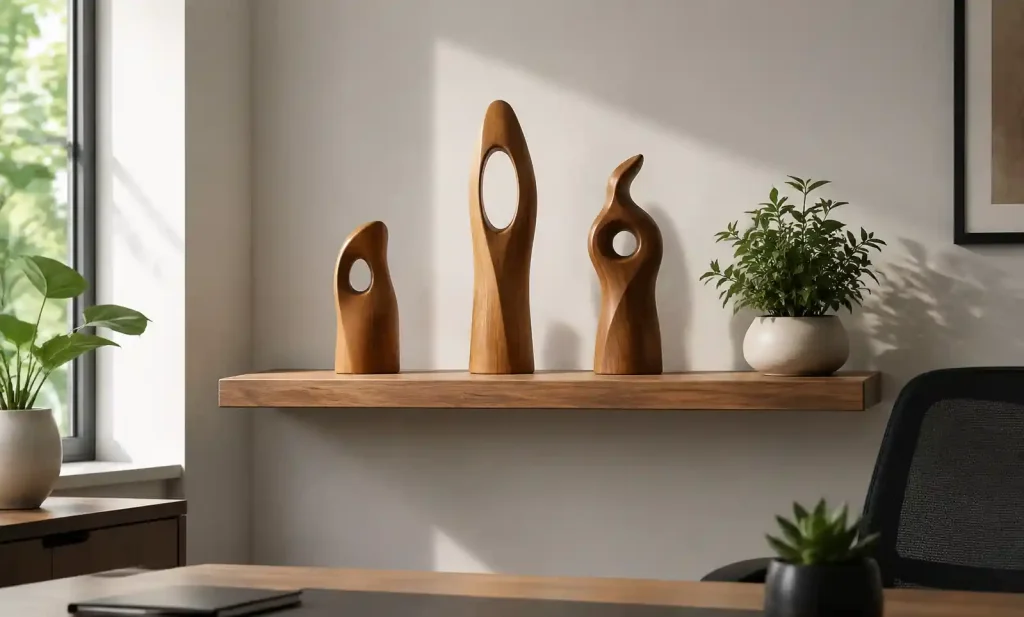
Desktop Positioning: Place your primary figurine slightly off-center, typically in the upper right or left corner depending on your dominant hand. This keeps the piece visible without interfering with work materials. Avoid dead-center placement—it feels formal and creates visual barrier.
For video conference setups, place pieces on shelves or credenzas behind you. Choose 6-10 inch pieces for adequate camera visibility. Limit to one or two to avoid cluttered appearance. Position slightly off-center rather than directly behind your head.
Grouping: If you collect multiple pieces, use odd-number groupings. Three or five create more dynamic arrangements than even numbers. Vary heights and depths. Maintain breathing room between pieces—crowded arrangements diminish individual impact.
Lighting: Natural lighting enhances wood grain. Position figurines where they catch window light. For offices without windows, small LED accent lights (2700-3000K) grazing across the surface highlight texture. Avoid harsh overhead fluorescent directly above pieces—it flattens dimensions and creates unflattering shadows.
Care and Maintenance
Regular Cleaning: Dust weekly with a soft, dry microfiber cloth or natural bristle brush. For intricate details, use a soft toothbrush to gently remove dust from crevices. Never use wet cloths—moisture can raise grain, cause warping, or create water stains.
For deeper cleaning every 3-4 months, use a slightly dampened cloth wrung nearly dry, followed immediately by a dry cloth. Work quickly and always dry thoroughly.
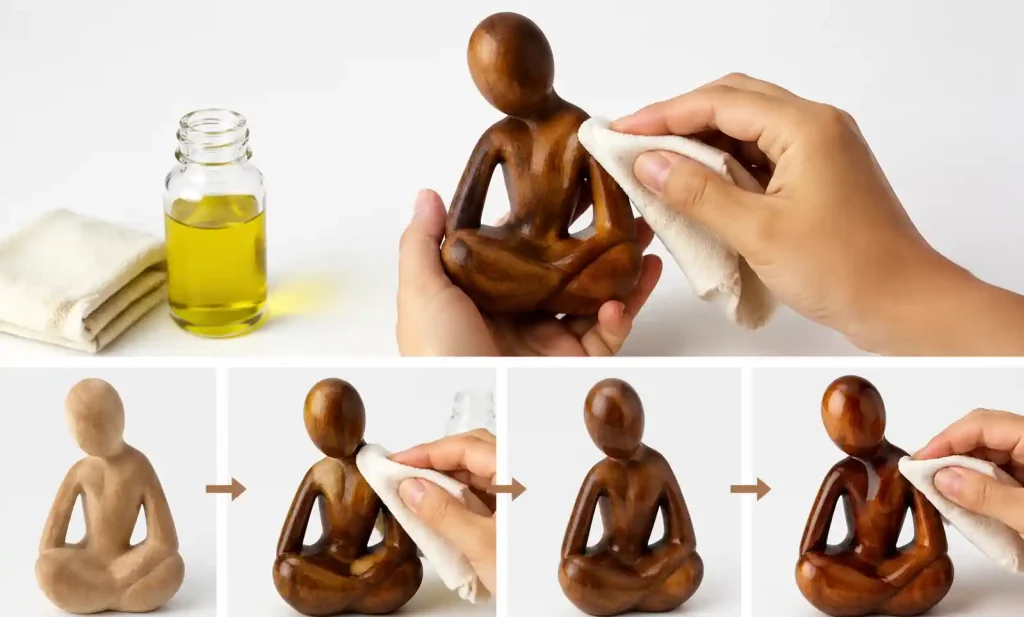
Oil and Finish Maintenance: Every 6-12 months, apply a small amount of furniture-grade mineral oil or specialized wood conditioner. Apply sparingly, let absorb 10-15 minutes, then buff away excess. This nourishes the wood, enhances color depth, and maintains protective finish. For lacquer-finished pieces, oil isn’t necessary.
Environmental: Maintain consistent office humidity between 40-55% to prevent cracking. Avoid placing figurines directly under AC vents, near heating registers, or in direct sunlight. If fine cracks develop (checking), apply conditioning oil. If cracks widen significantly, consult a conservator.
Wooden Figurines as Corporate Gifts
Desktop carvings make exceptional business gifts that convey thoughtfulness and cultural appreciation. Unlike generic swag, quality figurines offer lasting value. Recipients display them prominently, creating ongoing positive association with your business relationship.
Customization: Many manufacturers offer custom engraving on bases. Discreet inscriptions—company logo, date, or short message—personalize without compromising aesthetic integrity. For bulk orders, work directly with manufacturers to select wood types, sizes, and designs that align with your brand values. Designers and corporate buyers seeking truly distinctive pieces can explore custom wooden ornaments that offer the flexibility to create signature works aligned with specific brand identities or project narratives.
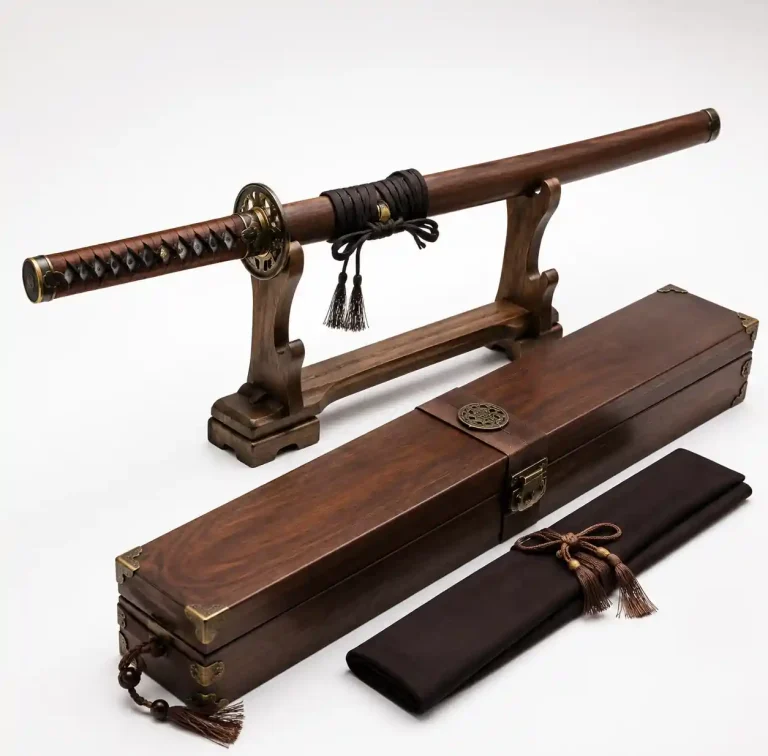
Presentation: Package in lined boxes with certificates of authenticity detailing wood species, origin, and artisan information. This elevates the gift from simple object to collected art piece. Include brief care instructions.
FAQ
How do I choose between different wood types?
Consider your office aesthetic and practical needs. Teak and rosewood offer durability with moisture resistance—ideal for humid climates. Walnut and mahogany provide beautiful color for traditional settings. For intricate miniatures, boxwood’s fine grain enables exceptional detail. Match wood color to existing furniture for cohesive design.
Can wooden desktop figurines work in modern minimalist offices?
Yes. Select abstract geometric forms rather than realistic carvings. Choose woods with subtle grain and monochromatic tones. Keep to a single statement piece rather than collections. Natural material enhances minimalist principles by introducing organic warmth to streamlined spaces.
How should I clean and maintain my wooden figurine?
Dust weekly with a soft, dry cloth. Every 3-4 months, wipe with a barely damp cloth followed immediately by drying. Apply furniture oil every 6-12 months. Avoid harsh chemicals, excessive moisture, direct sunlight, or proximity to heat sources.
What’s the best way to incorporate wooden figurines in video conference backgrounds?
Place pieces on shelves or credenzas within your frame, at eye level or slightly above when seated. Choose 6-10 inch pieces for adequate visibility. Ensure lighting showcases wood beauty. Limit to one or two pieces to avoid clutter. Position slightly off-center rather than directly behind your head.
Conclusion
Wooden desktop figurines are more than decoration—they’re intentional choices about how you shape your daily work environment. A well-selected piece brings natural beauty, cultural meaning, and personal expression into spaces dominated by screens and standardized furniture.
When choosing, prioritize authentic craftsmanship and meaningful symbolism over trends. Consider how wood type, size, and style integrate with your workspace aesthetic. Whether you select a traditional animal carving or a contemporary abstract form, ensure it resonates with your professional identity and values.
For quality wooden desktop figurines, explore collections from established wood carving manufacturers who specialize in handcrafted pieces. Look for businesses offering customization for corporate gifts or bulk orders. Verify wood sourcing and craftsmanship standards before investing. Transform your workspace from functional to inspirational—one thoughtfully chosen wooden figurine at a time.