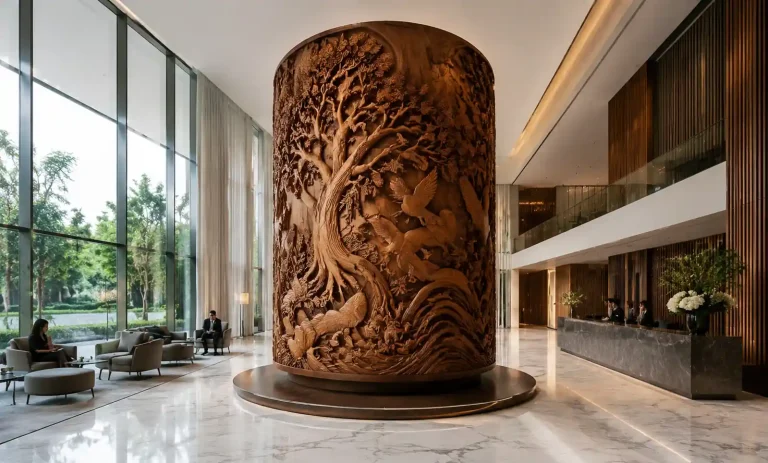






The Best Wooden Animal Sculptures for Rustic and Biophilic Interior Designs
Wooden animal sculptures have quietly become one of the most versatile pieces you can bring into a rustic or biophilic space. We see them used everywhere now – not just as decorative objects but as actual design anchors that tie a room together. This guide covers what works, what doesn’t, and how to pick pieces that actually make sense for your project.
Why Wooden Animal Sculptures Belong in Rustic and Biophilic Spaces
Rustic design is all about raw, natural materials and honest craftsmanship. Wooden animals fit right in – they’re wood, they’re carved by hand, and they bring an organic presence that manufactured decor just can’t match. The grain variations, the subtle tool marks, the way the wood ages over time – that’s what makes these pieces feel authentic rather than staged.
Biophilic design takes a different angle but arrives at the same place. The idea is that humans have an innate need to connect with nature, and bringing natural forms indoors reduces stress and improves focus. Wooden animals do double duty here – they’re made of natural material AND they represent living creatures. A carved bird on a shelf does more for a room than another ceramic vase.
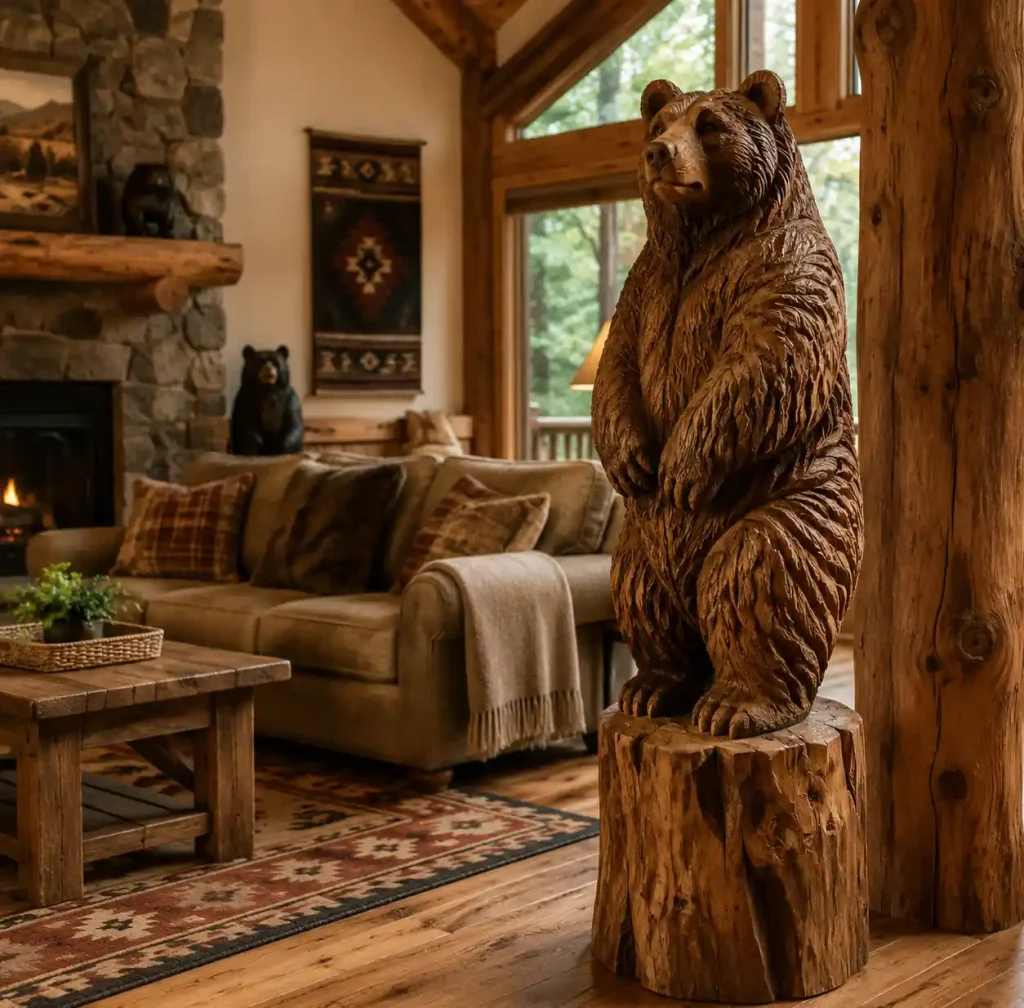
Both styles value craftsmanship over mass production and embrace imperfection as part of the beauty. That’s why wooden animal sculptures work so well in either context.
Understanding Wood Species and Their Design Impact
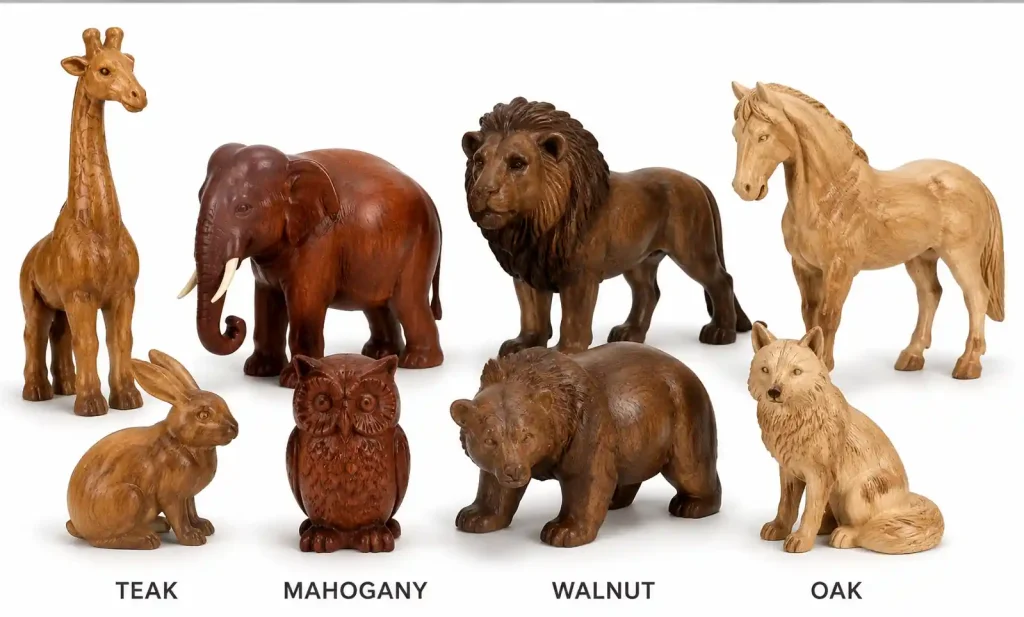
The wood you choose changes everything – color, grain, durability, even how the piece feels in the space. Here’s what we actually spec on projects:
| Wood Species | Color & Grain | Best For | Durability | Design Style Match |
|---|---|---|---|---|
| Teak | Rich golden-brown, straight grain | Bathrooms, humid areas, sunrooms | Excellent moisture resistance | Tropical biophilic, warm rustic |
| Walnut | Dark chocolate brown, dramatic grain | Modern rustic, contrast pieces | Very durable, develops rich patina | Contemporary rustic, sophisticated |
| Oak | Light to medium brown, prominent grain | Farmhouse, casual rustic | Extremely hard and durable | Classic rustic, accessible biophilic |
| Mahogany | Deep reddish-brown, fine grain | Statement pieces, formal spaces | Highly stable, resists warping | Traditional rustic, refined biophilic |
| Cedar | Light reddish-brown, aromatic | Cabins, mountain homes, closets | Naturally insect-resistant | Natural rustic, sensory biophilic |
Teak is our go-to for bathrooms and covered porches – it just doesn’t care about humidity. Walnut gives you that dark contrast that pops against lighter walls. Oak is the workhorse – tough, accessible, and looks good anywhere. If the piece is going in a bedroom or meditation space, cedar adds that subtle scent that works with the design rather than fighting it.
Good carvers work with the grain, not against it. The wood’s natural lines should follow the animal’s form – flowing along a bird’s wing or suggesting fur direction on a bear. When you see grain fighting the shape, that’s a sign the carver didn’t plan properly or the piece was mass-produced. For those seeking truly one-of-a-kind pieces, custom wooden ornaments offer the ability to commission works in specific woods and styles that perfectly match your vision.
Types of Wooden Animal Sculptures and Their Best Uses
Different styles serve different design goals. Here’s how we categorize them:
Realistic Wildlife Carvings are detailed and anatomically accurate. These work great in spaces that celebrate the outdoors – cabins, lodges, hunting retreats. A life-sized owl or detailed bear reads as a nature observation piece. In biophilic design, realistic carvings function as nature surrogates – they trick the brain into feeling like wildlife is present.
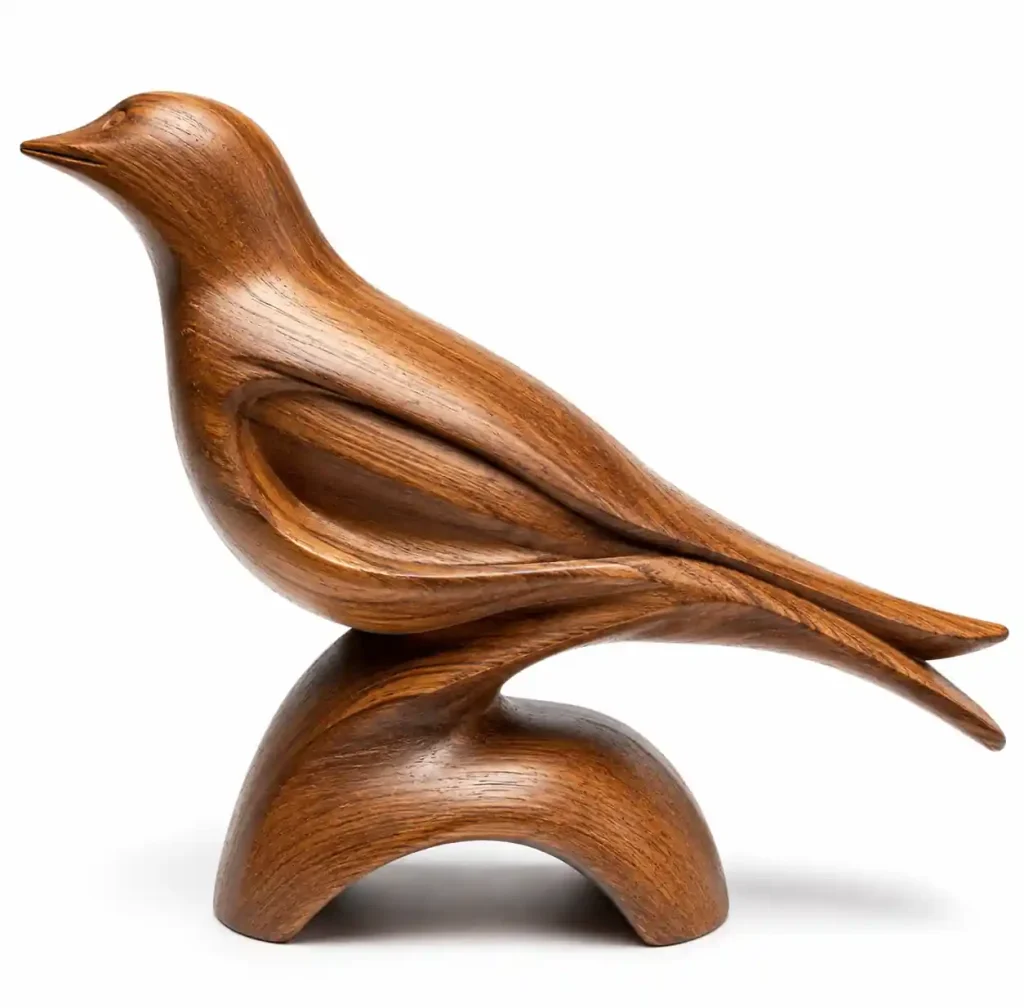
Stylized and Abstract Forms simplify animals down to essential lines. These suit modern rustic interiors where you want the nature reference without the literalness. Abstract birds or simplified deer shapes maintain the biophilic connection while keeping things clean and contemporary.
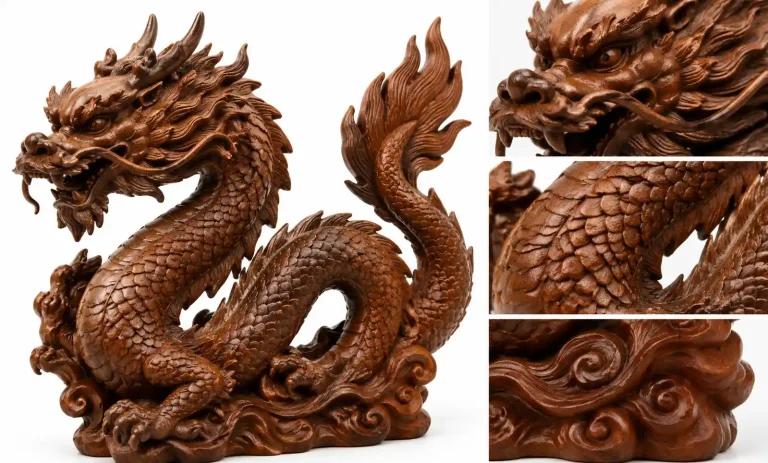
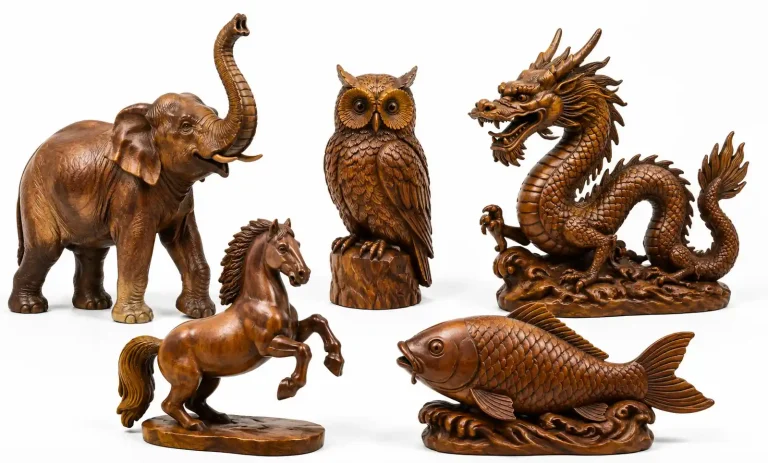
Cultural and Symbolic Carvings carry deeper meanings – dragons for power and good fortune, elephants for wisdom, koi for perseverance. These add storytelling layers that work especially well in entryways or spaces where you want guests to pause and engage with the piece.
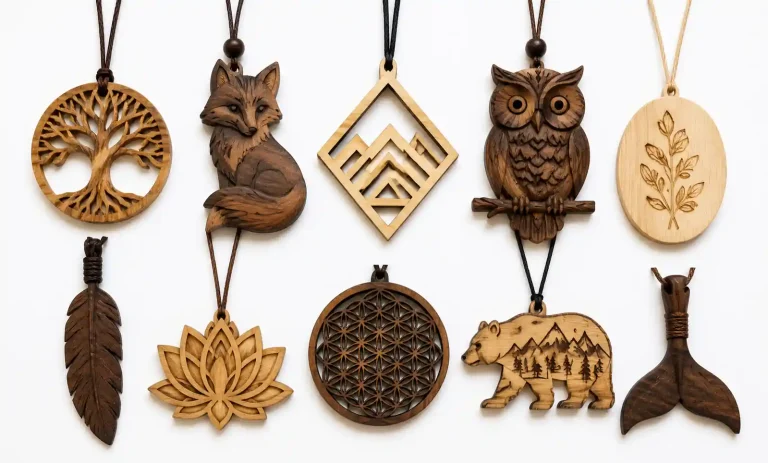
Functional Decorative Pieces combine art with utility – carved bookends, animal-shaped hooks, boxes with animal motifs. We use these in mudrooms, kids’ rooms, and home offices where you need the function but don’t want to sacrifice the design narrative.
Sizing and Placement That Actually Works
Scale is where most people get it wrong. Too big and the sculpture dominates the room. Too small and it just looks like clutter.
| Space Type | Recommended Size | Best Placement |
|---|---|---|
| Large living room (300+ sq ft) | 18-36 inches tall | Fireplace mantel, floor beside furniture, console table |
| Medium living room (150-300 sq ft) | 12-24 inches tall | Side tables, shelving, credenza |
| Bedroom | 8-18 inches tall | Dresser top, nightstand, windowsill |
| Home office | 6-12 inches tall | Desk corner, bookshelf |
| Bathroom | 4-8 inches tall | Counter, shelf |
| Entryway | 12-30 inches tall | Console table, floor |
In rustic spaces, position carvings near other natural materials – stone, plants, textiles. A carved bear next to a stone fireplace makes both elements stronger. In biophilic design, pair sculptures with living plants to reinforce the nature narrative. A wooden bird among potted ferns creates a little ecosystem vignette that reads as intentional rather than decorative.
Wall-mounted pieces are underutilized. Carved fish or bird silhouettes on walls create movement in hallways and work well where surface space is limited.
Styling Wooden Sculptures in Rustic and Biophilic Interiors
Material Pairing – surround wood with complementary natural materials. Stone, linen, leather, and metal with patina all work. An elephant sculpture gains presence on a live-edge wood slab next to river stones and dried botanicals.
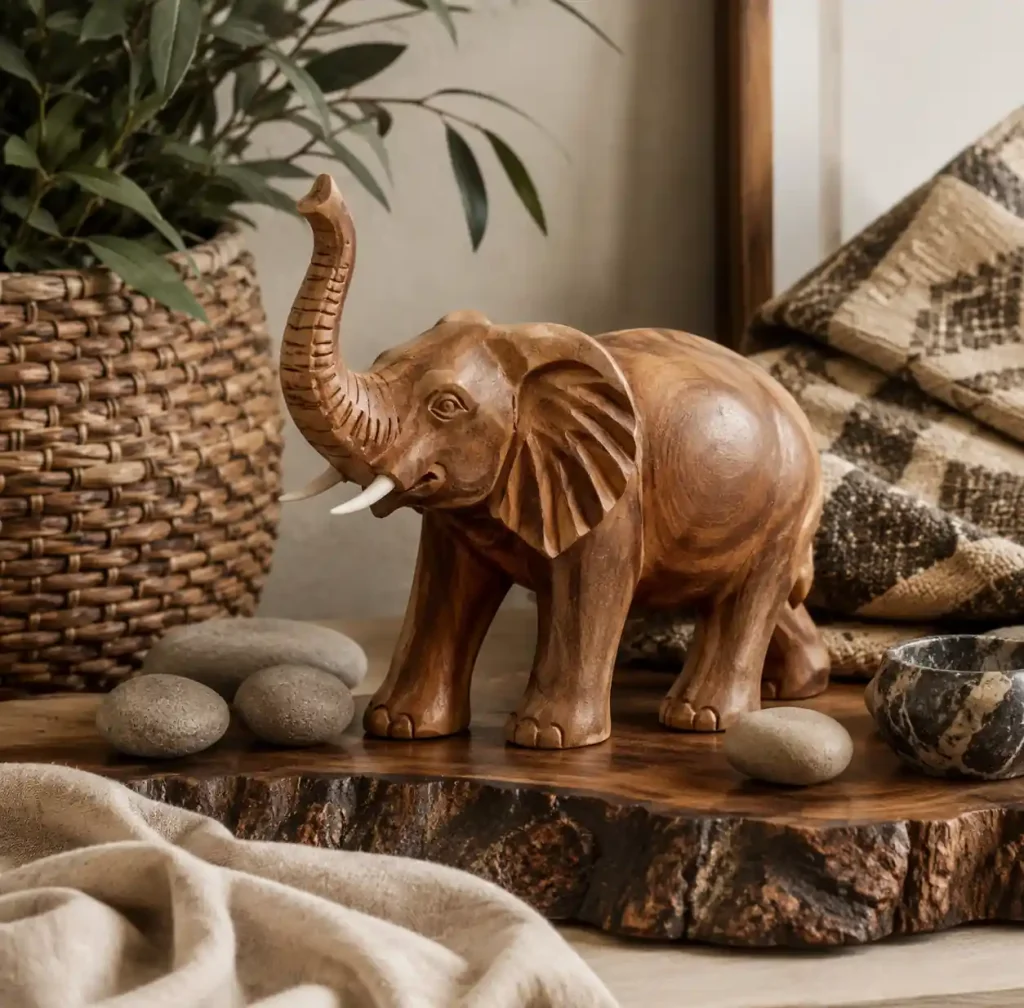
Color Coordination – rustic palettes run earth tones – browns, greens, creams, grays. Match your wood tones to the scheme. Lighter oak or cedar works with cream and beige. Dark walnut grounds deeper, moodier palettes.
Texture Layering – position smooth polished carvings against rough plaster or weathered wood. The contrast between refined carving and raw surface emphasizes the handcrafted quality.
Grouping – three animals of varying heights on a console follows the rule of threes and maintains visual interest. Multiple birds or forest animals create a themed display that reads as habitat – very biophilic.
Evaluating Handcrafted Quality
Mass-produced and hand-carved look similar at first glance, but the difference shows up fast.
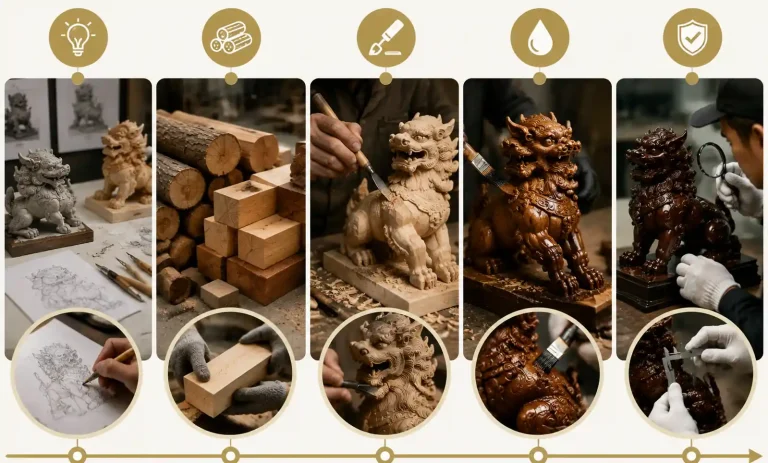
Look for tool marks – subtle irregularities that prove human hands shaped the piece. Machine-carved has perfect symmetry, repetitive patterns, and no variation. Hand-carved fur texture varies slightly, facial features have gentle asymmetry, and the piece feels alive.
Check grain direction. A skilled carver orients grain to follow the animal’s form – along a bird’s body to suggest feathers, across a bear’s back for fur direction. Random grain orientation or grain fighting the form means poor craftsmanship.
Detail refinement matters. Eyes, claws, ears – quality pieces show careful attention here. Eyes might be slightly inset, claws individually defined rather than generic grooves.
Surface finish – hand-rubbed finishes with natural oils or wax create depth that spray finishes can’t touch. The finish should enhance the wood, not obscure it. For those interested in exploring the broader trend, high-quality wooden collectibles are increasingly recognized as investment-worthy pieces with lasting value beyond just decor.
Care and Maintenance
Wooden sculptures don’t need much, but what they need matters.
Dust with a soft dry cloth or gentle brush. For deeper cleaning, use a slightly damp cloth with plain water – no chemicals, no furniture polish – and dry immediately.
Maintain humidity between 40-60% to prevent cracking and warping. Keep pieces away from direct sunlight, which fades color and causes surface checking. If you display in sunny spots, rotate pieces periodically.
Once or twice a year, apply light natural oil or wax – teak oil for teak, beeswax or carnauba for most others. This replaces oils that gradually evaporate and maintains moisture balance.
When moving sculptures, support from the base – don’t grab delicate ears, tails, or thin legs. Skin oils darken wood over time, which creates nice patina on touchable pieces but should be avoided on display-only carvings.
FAQ
Q: What’s the difference between hand-carved and machine-carved?
Hand-carved pieces show tool marks, subtle irregularities, and unique character – no two are identical. Machine-carved has perfect symmetry and repetitive patterns. Hand-carved costs more but delivers the authenticity rustic and biophilic spaces demand.
Q: Which wood works best in bathrooms?
Teak is the answer – natural oils make it moisture-resistant. Cedar also handles humidity well and adds fragrance. Skip oak or maple in consistently humid spaces unless sealed properly.
Q: How do I choose between realistic and abstract?
Realistic works in traditional rustic spaces and when you want strong biophilic references. Abstract suits modern rustic and minimalist biophilic designs where suggestion beats literal representation.
Q: What size for a medium living room?
12-24 inches tall works well. Placement matters – mantels can take larger pieces, side tables need smaller. Darker woods and more detailed carvings have heavier visual weight.
Q: Do wooden animal sculptures have symbolic meanings?
Many do – elephants symbolize wisdom and strength, owls represent knowledge, bears mean courage, dragons signify power and good fortune in Chinese culture. Understanding these meanings helps you choose pieces that reinforce your space’s emotional intent.
Conclusion: Bringing Natural Artistry into Your Space
Wooden animal sculptures bridge art, craft, and nature – ideal for rustic authenticity or biophilic calm. Thoughtful selection of wood species, scale, and material pairing ensures they anchor a room without overwhelming it. For bulk sourcing at scale, many global wholesalers turn to Chinese manufacturers for high-end wood art that balances quality with value. Choose pieces that resonate, and they’ll transform your space into something more grounded and alive.