





The Rise of Anime-Style Wooden Swords in the Global Cosplay and Collector Market
Over the past decade, wooden anime swords have gone from niche convention props to serious collectibles. We see this firsthand at shows and in online communities – katana replicas, fantasy greatswords, dual-blade sets, you name it. People aren’t just carrying them for cosplay anymore; they’re displaying them in gaming rooms, using them for light training, and treating them like art pieces. This guide covers what’s driving the trend, how to pick the right piece for your collection, and what to watch out for when buying.
Why Anime-Style Wooden Swords Matter in Today’s Collector Market
The global anime boom has created real demand for quality merchandise. Wooden sword replicas sit at a sweet spot – they’re safer than metal, more authentic than plastic, and show actual craftsmanship. For cosplayers, they’re convention-friendly and photograph well. Collectors like them because they represent favorite series without the legal headaches of sharp metal replicas. And interior designers? They’re using these pieces as conversation starters in entertainment spaces.
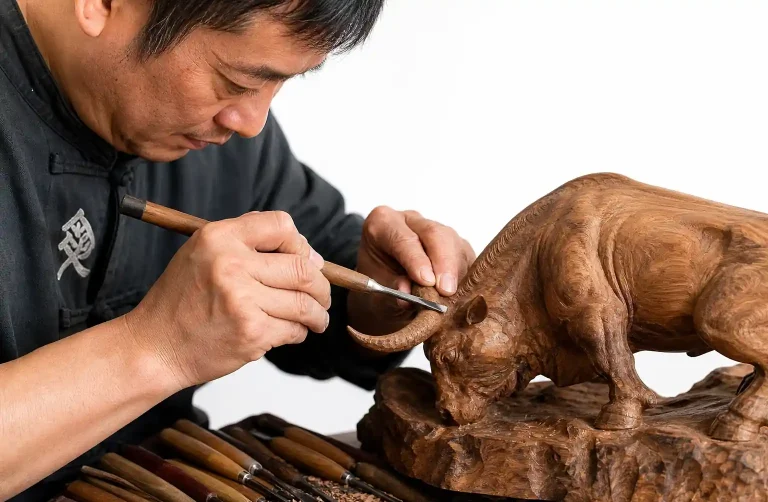
The shift toward wood also reflects a growing appreciation for handcrafted work. Serious collectors can tell the difference between machine-routed production pieces and hand-carved swords that show real woodworking skill. That distinction has turned wooden anime swords from novelty items into legitimate collectibles with staying power.
Cultural Significance and Craftsmanship Heritage
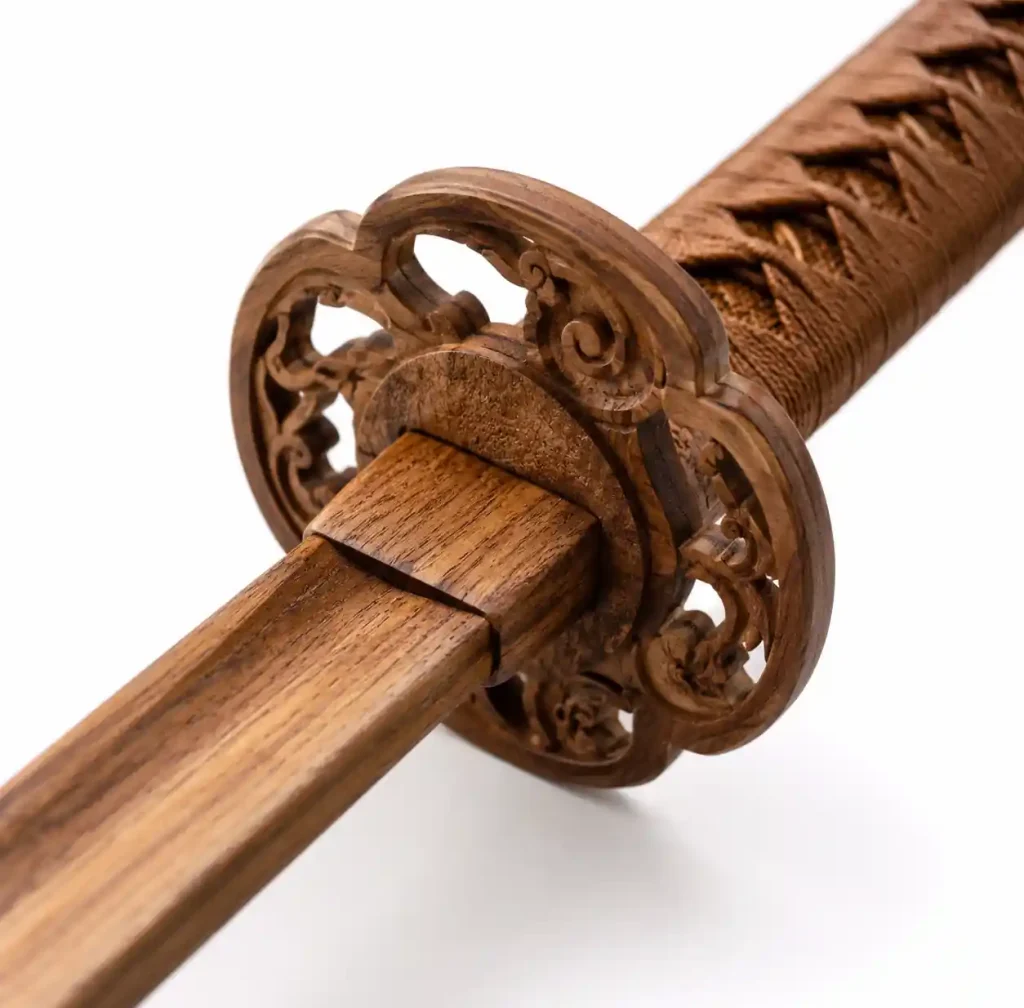
Japanese sword-making traditions go back over a thousand years, and that heritage shows up in anime designs. Most popular series draw from real katana, wakizashi, and tanto forms. When craftsmen make wooden replicas, they’re often pulling from bokken construction knowledge – balance, weight distribution, grip ergonomics – that’s been refined over centuries.
Different woods carry different cultural weight too. Red oak and white oak are traditional for training weapons. Japanese magnolia is lighter for display pieces. Exotic hardwoods like rosewood and ebony allow for the intricate detail work that anime fans expect on ornate guards and handles. Good craftsmen study the source material to get proportions and paint schemes right while keeping the piece structurally sound.
Types and Styles of Anime Wooden Swords
Understanding the main categories helps you figure out what fits your collection goals.
Classic Katana Replicas are the biggest segment – Demon Slayer, Bleach, Rurouni Kenshin stuff. Usually 39-41 inches total with 28-30 inch blades. Quality pieces have hand-painted details that match specific character color schemes while still showing wood grain underneath.
Fantasy Greatswords go big – think Berserk, Sword Art Online, Final Fantasy. These run 45-60 inches and challenge makers with complex curves and elaborate crossguards. You’ll need proper display stands for these; they’re room focal points.
Dual Blade Sets are matched pairs for characters who dual-wield. They need precise symmetry and balanced weight. Popular examples include Kirito’s Elucidator and Dark Repulser.
Specialty Weapons cover everything else – curved blades, segmented designs, hybrid weapons. These are custom art projects that require innovative construction to bring impossible anime physics into the real world.
| Schwerttyp | Typical Length | Primary Use | Skill Level | Preisspanne |
|---|---|---|---|---|
| Standard Katana Replica | 39-41 inches | Cosplay, Light Display | Beginner | $45-$120 |
| Training Bokken (Anime Style) | 40 inches | Martial Arts, Cosplay | Intermediate | $60-$150 |
| Fantasy Greatsword | 48-60 inches | Display Only | Advanced | $150-$400 |
| Dual Blade Set | 38-40 inches each | Cosplay, Collection | Intermediate | $100-$250 |
| Custom Character Replica | Variiert | Collection, Display | Custom | $200-$600+ |
Selecting the Right Anime Wooden Sword
Character Accuracy comes first. Check official artwork and reference photos. Good sellers will show their work next to source material. Pay attention to blade shape, guard style, and handle wrapping – those details distinguish one character’s weapon from similar designs.
Wood Quality and Construction determine how long the piece lasts. Solid hardwood beats laminated materials every time. Look for natural grain patterns – not printed or artificially enhanced. Hand-carved details should have clean lines. Joints between blade, guard, and handle should fit flush with no gaps.
Weight and Balance matter even for display-only pieces. A balanced sword hangs naturally and feels substantial. For convention use, lighter woods like paulownia or basswood save your arms during long days. Training needs denser oak that simulates real weapon momentum.
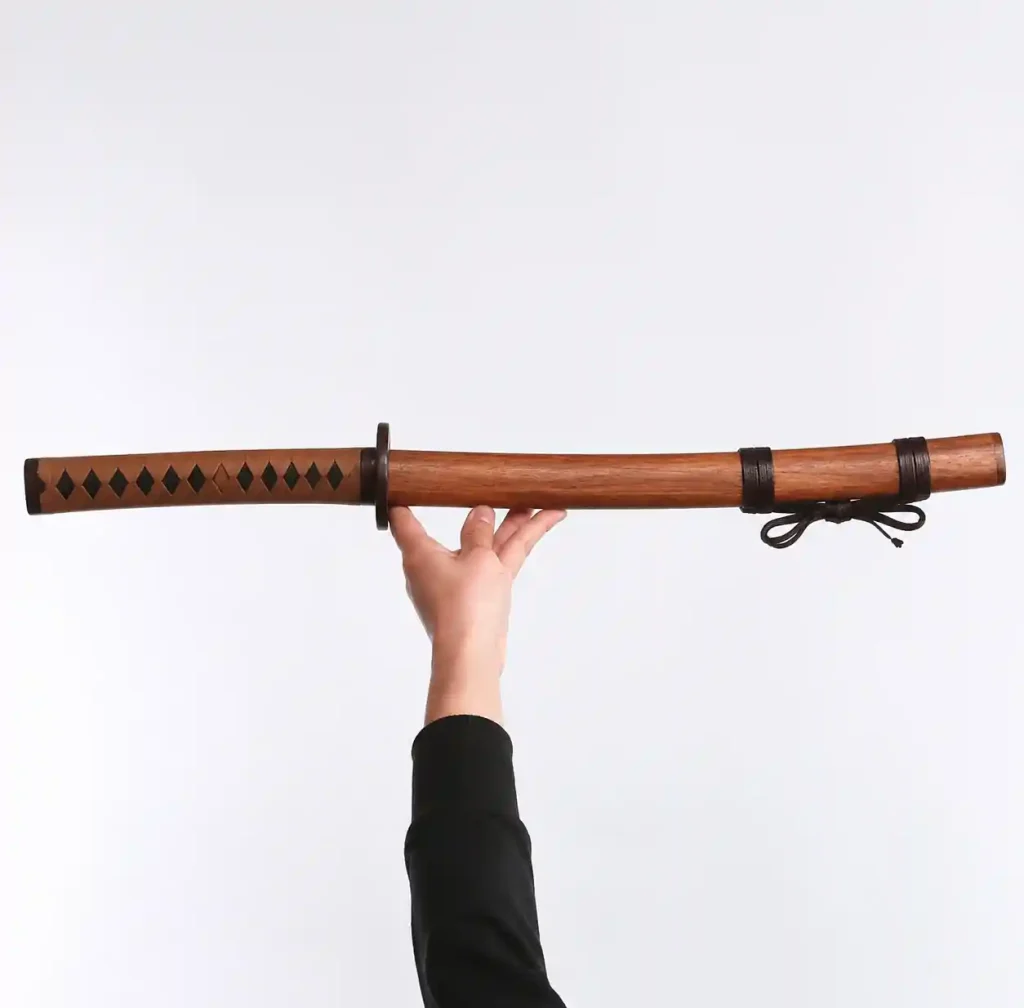
Finish Quality preserves appearance. Multiple coats of clear lacquer or polyurethane protect against moisture and handling oils. Paint should be crisp under the clear coat. Matte finishes work for certain characters, gloss works better for display pieces.
Size vs. Display Space – measure your wall before buying. Fantasy greatswords over 50 inches can overwhelm smaller rooms or require diagonal mounting.
Material Guide and Wood Species Comparison
Wood choice impacts durability, appearance, and long-term value.
Red oak is the go-to – traditional bokken material, tight grain, good for handling and cosplay. Light tan to reddish-brown, takes stain and paint well. Price is accessible for first-time buyers.
White oak handles moisture better, important for preservation. Slightly harder than red oak, holds carved detail cleanly. The lighter color makes an excellent base for painted finishes.
Ash flexes without breaking – great for active cosplay or light training. Light color and prominent grain create good contrast with dark painted sections.
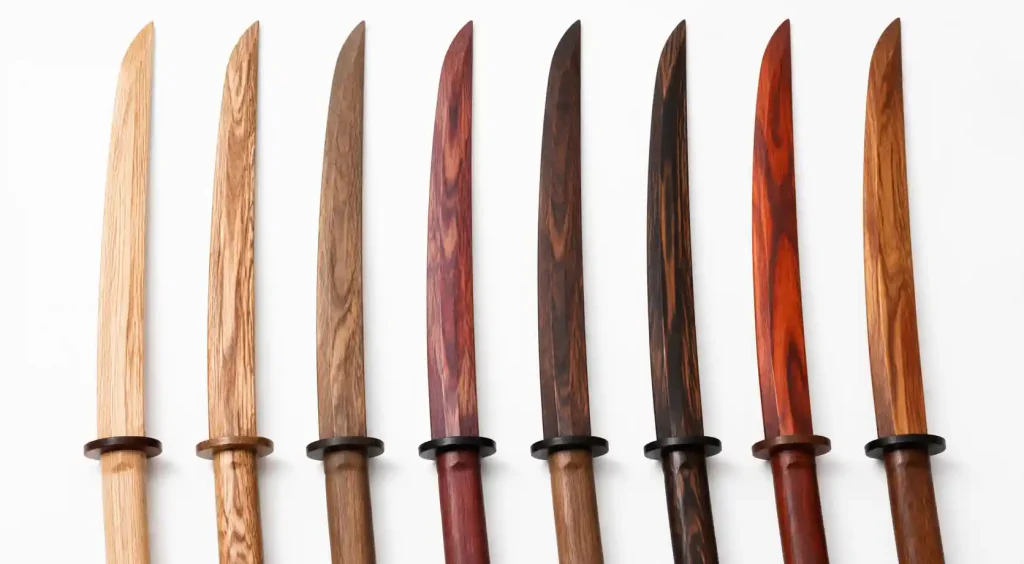
Exotic hardwoods (rosewood, ebony, mahogany) suit premium collector pieces. Rosewood has natural purple-brown tones. Ebony is dense and black – perfect for dark-themed weapons. Mahogany is stable and fine-grained for intricate guard work. These bump the price significantly but deliver heirloom-quality results.
| Holzarten | Natural Color | Gewicht | Haltbarkeit | Best Use | Kostenebene |
|---|---|---|---|---|---|
| Red Oak | Tan to Reddish-Brown | Medium-Heavy | Hervorragend | Training, Cosplay | $ |
| White Oak | Light Tan to Golden | Medium-Heavy | Superior | Display, Collection | $$ |
| Ash | Cream to Light Brown | Mittel | Sehr gut | Active Cosplay | $ |
| Paulownia | Pale Cream | Light | Gut | Long-Wear Cosplay | $ |
| Palisander | Purple-Brown | Heavy | Hervorragend | Premium Display | $$$ |
| Ebony | Deep Black | Very Heavy | Superior | Collector Pieces | $$$$ |
| Mahagoni | Reddish-Brown | Medium-Heavy | Hervorragend | Custom Carved Detail | $$$ |
Displaying and Caring for Your Collection
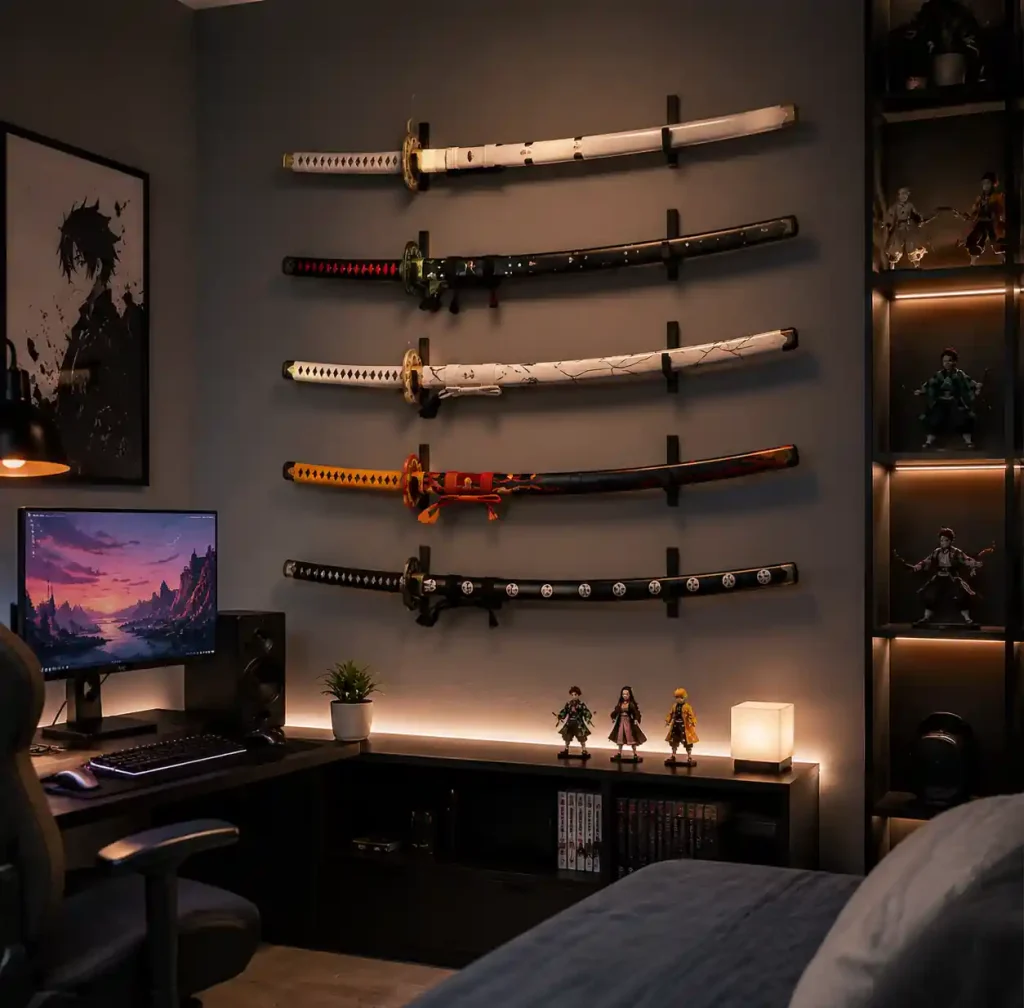
Display Options – horizontal wall mounts work for standard katanas. Vertical stands showcase swords as standalone pieces. Multiple-sword racks organize growing collections. Shadow boxes with backlighting turn premium pieces into art installations.
Avoid direct sunlight – it fades paint and dries wood. Keep humidity between 40-60% to prevent wood movement. Keep displays away from heating vents.
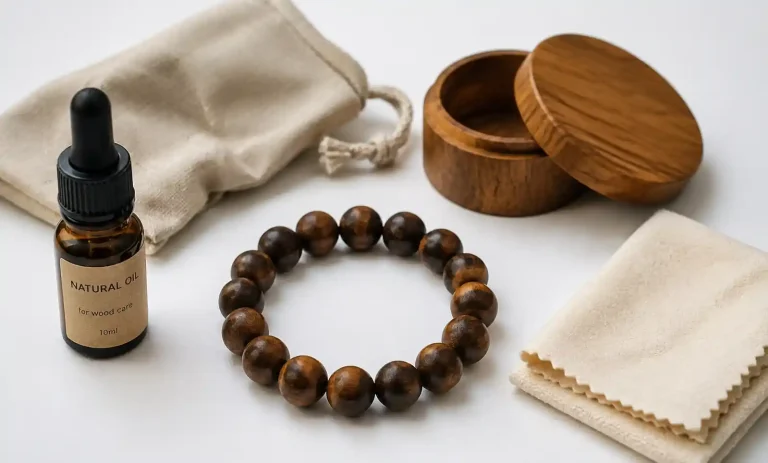
Cleaning – dust weekly with a soft microfiber cloth, wipe along the grain. For deeper cleaning, use a barely damp cloth with water only – no chemical cleaners or furniture polish. Dry immediately after any moisture exposure.
Inspect for finish wear on handles where oils accumulate. Apply thin coats of paste wax annually on unfinished sections. Tighten any loose hardware connections.
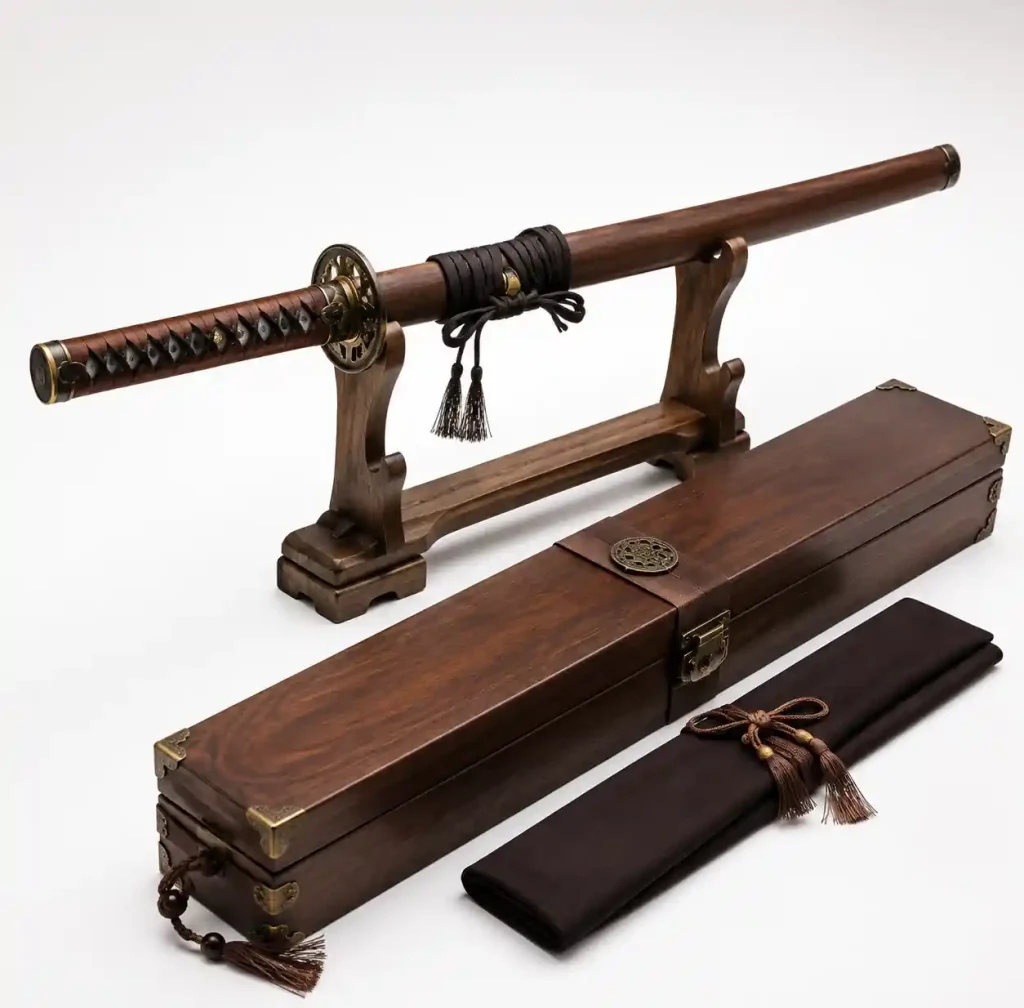
Transport – use padded sword bags with rigid internal supports. For greatswords over 48 inches, consider breakdown designs with removable blades. Check airline rules – wooden swords usually go in checked baggage. Many cosplayers ship swords to hotels ahead of time.
Häufig gestellte Fragen
Q: What’s the difference between a bokken and an anime sword replica?
Traditional bokken have standardized dimensions based on historical katana proportions. Anime replicas can vary significantly – exaggerated length, unusual curves, fantasy details. Some combine bokken construction quality with character-specific aesthetics.
Q: How do I tell handcrafted from machine-made?
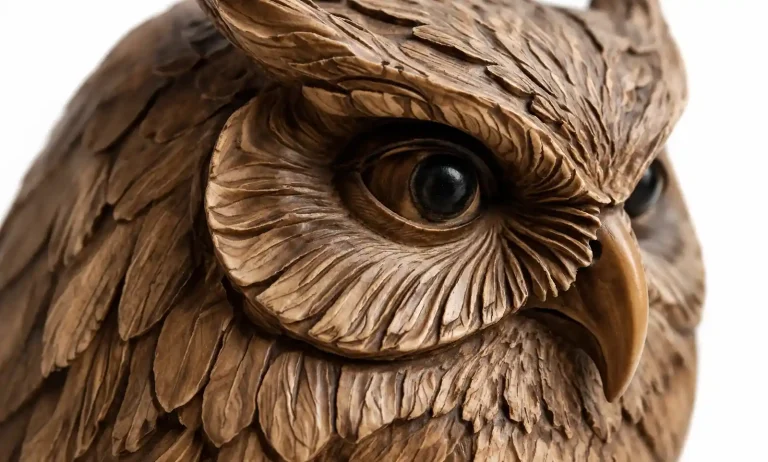
Look at surface details. Hand-carved pieces have slight irregularities, natural tool marks, and seamless transitions between carved elements. Machine-made shows perfectly uniform dimensions, repetitive patterns, and sometimes visible router marks. Hand-painted details have subtle color gradations; machine prints are sharp-edged and uniform.
Q: Are wooden swords safe for convention cosplay?
Usually yes – they’re safer than metal and typically meet convention policies better. But check specific rules first. Most conventions require peace-bonding and prohibit sharp edges. Wooden construction removes sharpness concerns while still looking good in photos.
Q: Which wood is best for a display piece?
White oak or mahogany for longevity and fine detail. Rosewood or ebony if you want natural rich color without much painting. Avoid paulownia for display – it’s too light and feels cheap on a wall mount.
Q: Can I get a custom sword made?
Yes – many woodworkers take custom commissions. Provide clear reference images from multiple angles, specify dimensions, and discuss wood preferences. Custom work typically takes 4-8 weeks and costs 2-3 times standard replica prices. Good for obscure series or personalized variations.
Finding Your Perfect Anime Wooden Sword
Wooden anime swords have become serious business in the collector and cosplay world. They’re not just props anymore – they’re display pieces, training tools, and meaningful gifts that show understanding of someone’s fandom. For collectors looking to expand beyond replicas, high-quality wooden swords are increasingly recognized as trendy collectibles with lasting value worldwide.
When you’re shopping: prioritize character accuracy if you’re representing a specific series, check wood quality and construction for longevity, match weight and size to your intended use, and inspect finish quality to protect your investment. Whether you’re an active cosplayer, a collector building a display, or looking for a gift that resonates, handcrafted wooden anime swords deliver on multiple levels. And if you’re sourcing at scale, global wholesalers are turning to Chinese manufacturers for high-end wood art that balances quality with competitive pricing.
The market keeps growing as new series come out and craftsmen push their skills further. Now’s a good time to start your collection or add that one piece you’ve been eyeing.