




A Deep Dive into Premium Hardwoods: Ebony, Sandalwood, Agarwood, and Boxwood
When it comes to premium hardwood carvings, the choice of wood defines not only the aesthetic appeal but also the cultural significance, longevity, and investment value of each piece. Ebony, sandalwood, agarwood, and boxwood stand as the crown jewels of carving materials, each bringing distinct characteristics that have captivated artisans and collectors for centuries. These luxury hardwoods transform ordinary sculptures into heirloom pieces, prized for their dense grain, rich coloration, aromatic properties, and exceptional workability. Understanding the nuances of each wood type empowers collectors, interior designers, and art enthusiasts to make informed decisions when selecting handcrafted wooden art for luxury home decor or as meaningful gifts.
Why Premium Hardwoods Matter in Fine Wood Carving
Premium hardwoods distinguish themselves through exceptional density, stability, and aesthetic qualities that budget materials simply cannot match. The molecular structure of woods like ebony and boxwood allows artisans to achieve crisp detail work that would splinter or crumble in softer species. These hardwoods resist warping, cracking, and insect damage far better than common alternatives, making them ideal for heirloom pieces intended to last generations.
The cultural heritage attached to premium hardwoods adds another dimension of value. Ebony has adorned Egyptian temples and Chinese imperial courts. Sandalwood holds sacred status in Hindu and Buddhist traditions, appearing in religious ceremonies for over 4,000 years. Agarwood’s resinous fragrance has made it the “wood of the gods” across Middle Eastern and Asian cultures. Boxwood’s fine grain made it the preferred material for Renaissance master carvers and early scientific instruments.
For collectors and interior designers, premium hardwood carvings serve as functional art pieces that appreciate over time. The scarcity of these woods—particularly true ebony and natural agarwood—means authentic pieces become increasingly valuable as sustainable sources dwindle. A genuine Macassar ebony carving or aged agarwood sculpture represents not just aesthetic beauty but a tangible asset.
Ebony: The Dark Jewel of Luxury Carvings
Ebony encompasses several Diospyros species prized for their jet-black heartwood and exceptional hardness. True ebony comes primarily from Madagascar, Sri Lanka, and Indonesia, though overharvesting has made sustainable sourcing a critical concern. The wood’s density exceeds 1,000 kg/m³, causing finished pieces to sink in water—a traditional authenticity test used by collectors.
The visual appeal of ebony lies in its uniform deep black color with occasional brown or gray streaking, depending on the specific species. Macassar ebony features distinctive black and tan striping, while Gaboon ebony achieves the purest black tones. When polished, ebony develops a glass-like sheen that requires no additional finish, as the wood’s natural oils provide lasting protection.
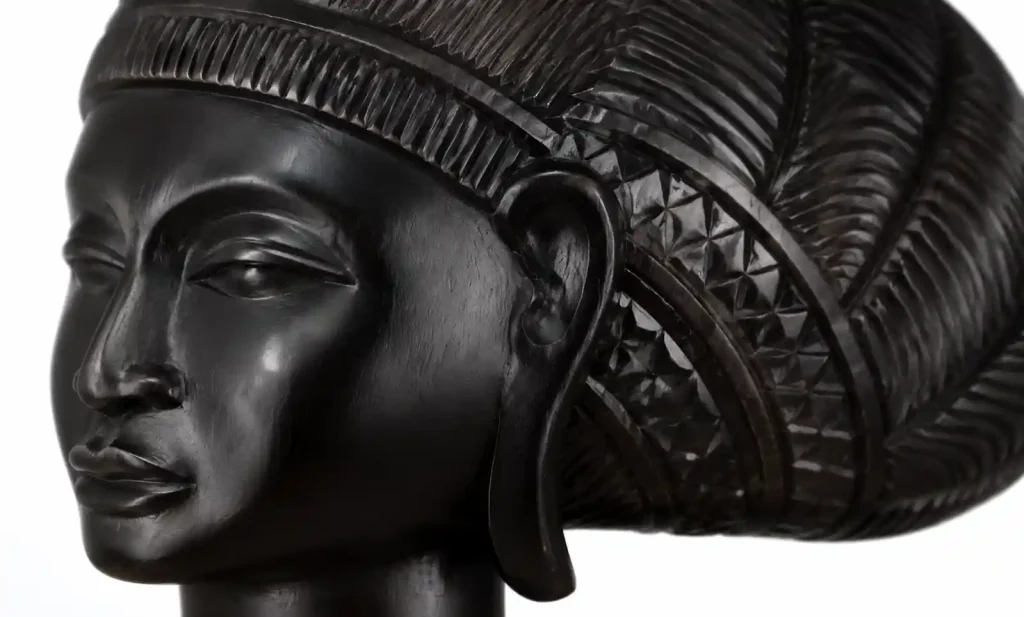
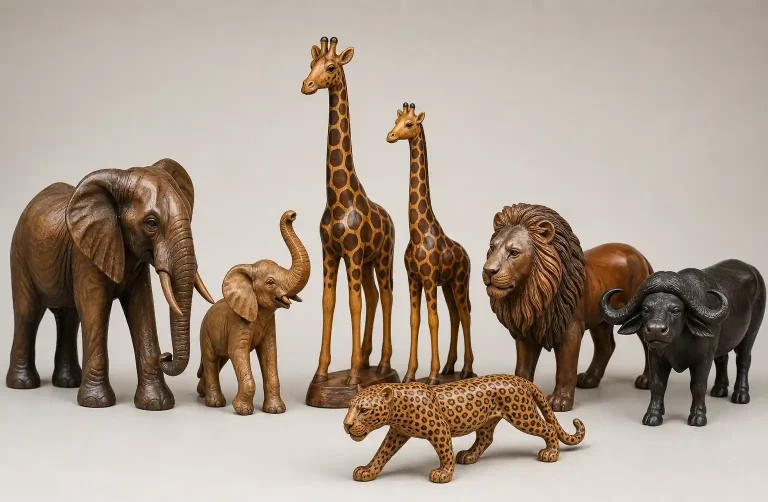
Artisans value ebony for its ability to hold razor-sharp detail without tearout. The extremely fine, even grain allows for precise undercuts and delicate features in animal carvings, Buddha statues, and ornamental boxes. The wood machines well with sharp tools, though its density demands frequent sharpening and powerful equipment. Hand carving ebony requires patience and physical effort, but the results justify the labor.
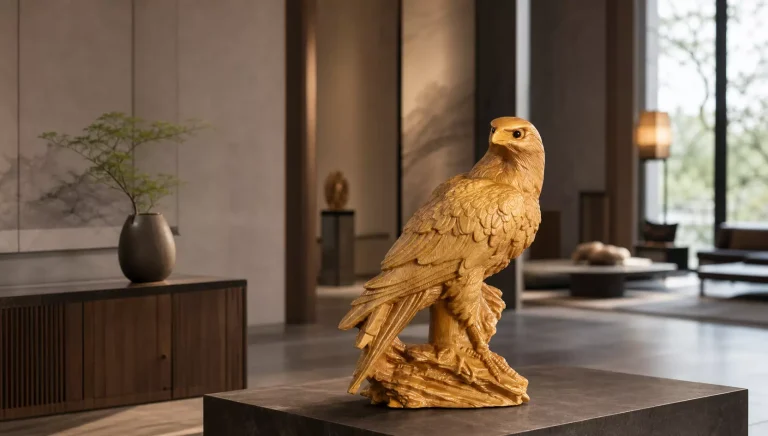
Traditional applications include Indian chess pieces, Japanese netsuke toggles, and Chinese brush holders. In contemporary luxury home decor, ebony sculptures serve as striking focal points in minimalist interiors, where the wood’s dramatic darkness contrasts beautifully with light walls and natural fibers. Collectors particularly seek ebony carvings featuring cultural motifs—dragons, elephants, or Buddhist iconography—that honor the wood’s Asian heritage.
The investment value of ebony continues rising as CITES regulations restrict international trade in certain species. Authenticated pieces with documented sustainable sourcing command premium prices, particularly those carved by recognized artisans. When purchasing ebony carvings, verify the specific species and request certification of legal harvest, as counterfeit pieces using dyed cheaper woods occasionally appear on the market.
Sandalwood: Aromatic Elegance in Every Detail
Sandalwood’s defining characteristic is its rich, creamy fragrance that persists for decades, even centuries in some cases. The essential oils within the wood—primarily alpha and beta santalol—create the distinctive sweet, woody aroma that has made sandalwood incense and perfumes globally coveted. Indian sandalwood (Santalum album) produces the finest fragrance, though Australian sandalwood and Hawaiian varieties offer excellent carving properties with slightly different scent profiles.
The wood presents a pale yellow to golden-brown color when freshly cut, deepening to rich amber tones with age and exposure to light. The grain is typically fine and even with a slight natural luster. Density varies by species, with Indian sandalwood being moderately heavy and Australian varieties somewhat lighter. This moderate density makes sandalwood more forgiving to carve than ebony while still holding excellent detail.
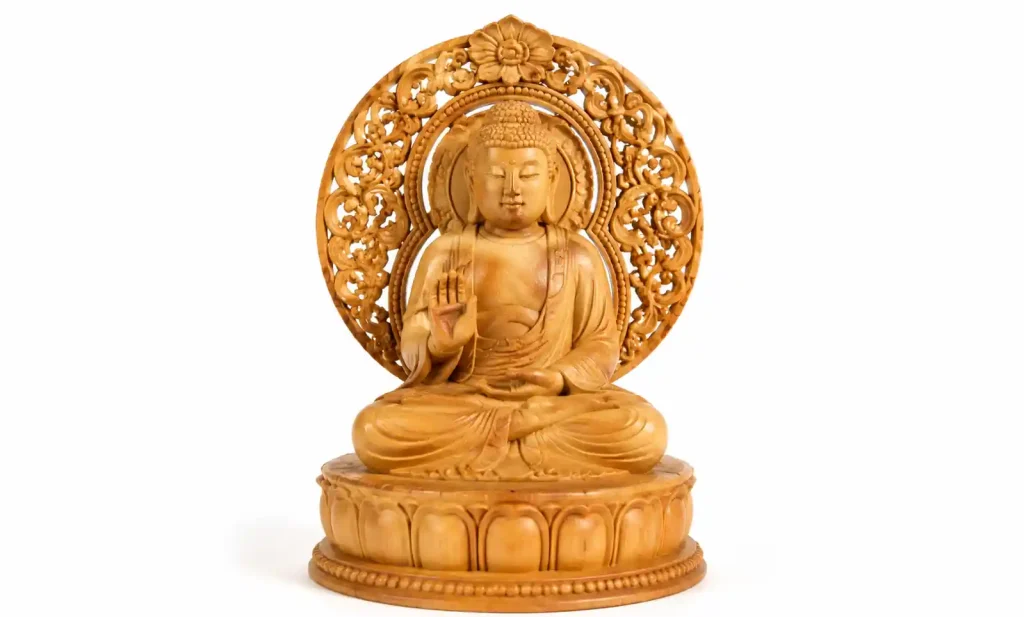
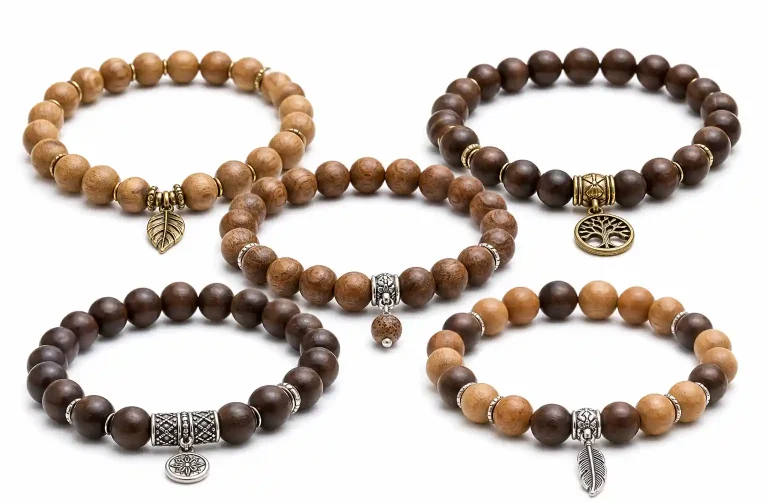
In traditional cultures, sandalwood carries profound spiritual significance. Hindu temples use sandalwood paste in religious rituals, and the wood itself features in carved temple decorations, meditation beads, and sacred statues. Buddhist traditions value sandalwood for prayer beads and small altar carvings. Middle Eastern cultures have historically used sandalwood for ornate boxes, decorative panels, and aromatic furniture.
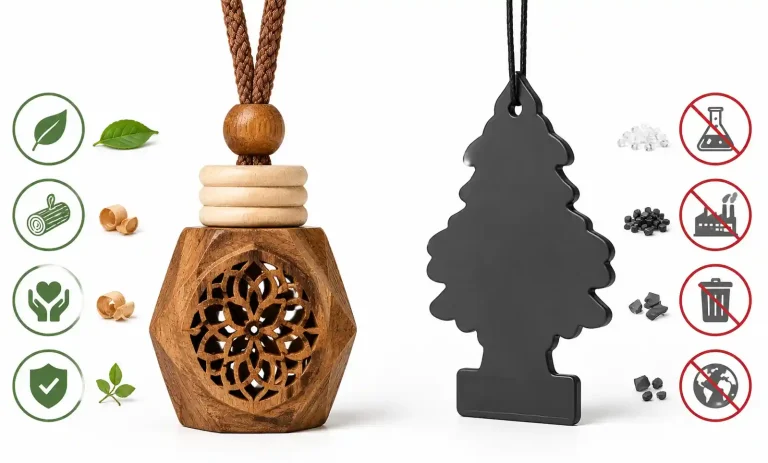
Contemporary applications blend spiritual heritage with modern luxury decor. Sandalwood animal carvings bring both visual beauty and subtle fragrance to meditation rooms and living spaces. Small desktop sculptures offer a calming aromatic presence in home offices. Sandalwood jewelry boxes and decorative containers double as functional storage and natural air fresheners.
The aromatic properties of sandalwood create a unique consideration for collectors. Unlike most woods where scent fades, genuine sandalwood maintains its fragrance for extraordinary periods, though the intensity gradually mellows. This longevity makes sandalwood carvings particularly valuable as gifts, symbolizing enduring friendship or spiritual connection. The scent also serves as an authenticity marker—genuine sandalwood has a smooth, sweet aroma distinct from the harsh or artificial smell of cheaper substitutes.
Sustainability concerns affect sandalwood availability, particularly Indian sandalwood, which faces strict harvest regulations. Australian plantations now produce sustainable sandalwood that offers similar carving qualities and fragrance, making it an ethical alternative for contemporary pieces. When purchasing sandalwood carvings, inquire about the wood’s origin and look for plantation-grown certification when available.
Agarwood: The Most Precious Wood on Earth
Agarwood, also known as oud or aloeswood, represents the pinnacle of luxury hardwoods, with premium grades commanding prices exceeding gold per ounce. This remarkable wood forms only when Aquilaria trees become infected with specific mold species, triggering a defensive resin production that saturates the wood with dark, fragrant compounds. The infection process can take decades, and only a small percentage of trees develop the treasured resinous heartwood.
The appearance of genuine agarwood varies dramatically based on resin content. Low-grade pieces show light tan wood with scattered dark streaks. Premium agarwood displays predominantly black coloration with rich, resinous density and complex marbling. The wood feels notably heavy and oily to the touch, with resin content sometimes exceeding 50% in the finest specimens. When heated or carved, agarwood releases an intensely complex fragrance—simultaneously woody, sweet, animalic, and slightly smoky.
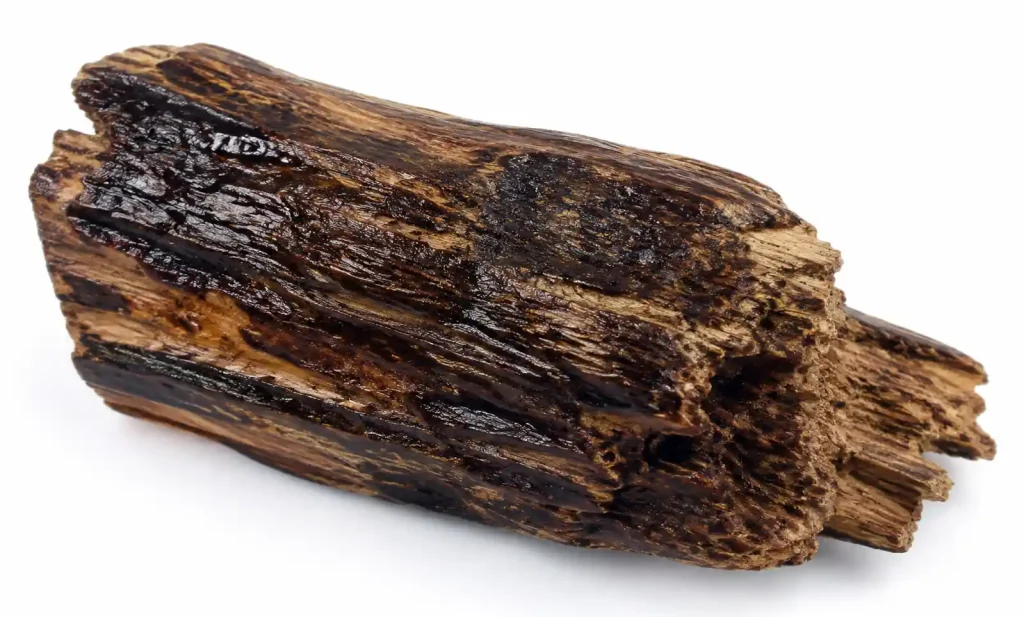
Cultural reverence for agarwood spans multiple traditions. Islamic cultures value agarwood for religious ceremonies and perfume, considering it one of the fragrances of Paradise. Chinese medicine systems use agarwood in therapeutic applications, believing it harmonizes qi and promotes spiritual clarity. Japanese kōdō incense ceremonies feature agarwood as the most refined and contemplative scent. Wealthy collectors across Asia have historically competed for the finest agarwood specimens, driving prices to extraordinary levels.
For carving purposes, agarwood presents unique challenges and rewards. The resin-saturated sections are extremely hard and require sharp tools, while lighter sections can be brittle. Skilled artisans must work with the wood’s natural resin distribution, often incorporating lighter and darker areas into the design. The resulting pieces combine visual complexity with exceptional fragrance, creating truly multi-sensory art objects.
Investment collectors focus on agarwood carvings as appreciating assets. The combination of natural scarcity, cultural significance, and increasing demand from affluent buyers in Asia and the Middle East creates strong market fundamentals. Documented provenance and resin content analysis add significant value to pieces. Small agarwood carvings featuring religious or cultural motifs—Buddha statues, Islamic calligraphy, or traditional Chinese symbols—command particularly strong prices.
Authenticity verification is critical in the agarwood market, as the high prices invite widespread counterfeiting. Genuine agarwood has distinctive weight, resin patterns, and fragrance that experienced collectors can identify. Laboratory analysis can confirm resin content and species. When investing in agarwood carvings, work with reputable dealers who provide certification and guarantee authenticity, as the price differential between genuine and fake pieces is enormous.
Boxwood: The Sculptor’s Choice for Intricate Detail
Boxwood, particularly European boxwood (Buxus sempervirens), has served as the premier carving wood for intricate detail work since ancient times. The wood’s exceptionally fine, uniform grain and moderate hardness create ideal conditions for precision carving, allowing artisans to achieve details that would be impossible in other materials. Historical applications included religious sculptures, scientific instruments, printing blocks, and chess pieces.
The pale yellow to light tan color of boxwood provides a neutral backdrop that highlights carved details through shadow and light. Unlike darker woods where fine details can disappear, boxwood’s light tone ensures every carved line remains visible. The wood takes a beautiful natural polish, developing a warm honey patina with age and handling. Some aged boxwood pieces acquire a rich amber glow that collectors particularly prize.
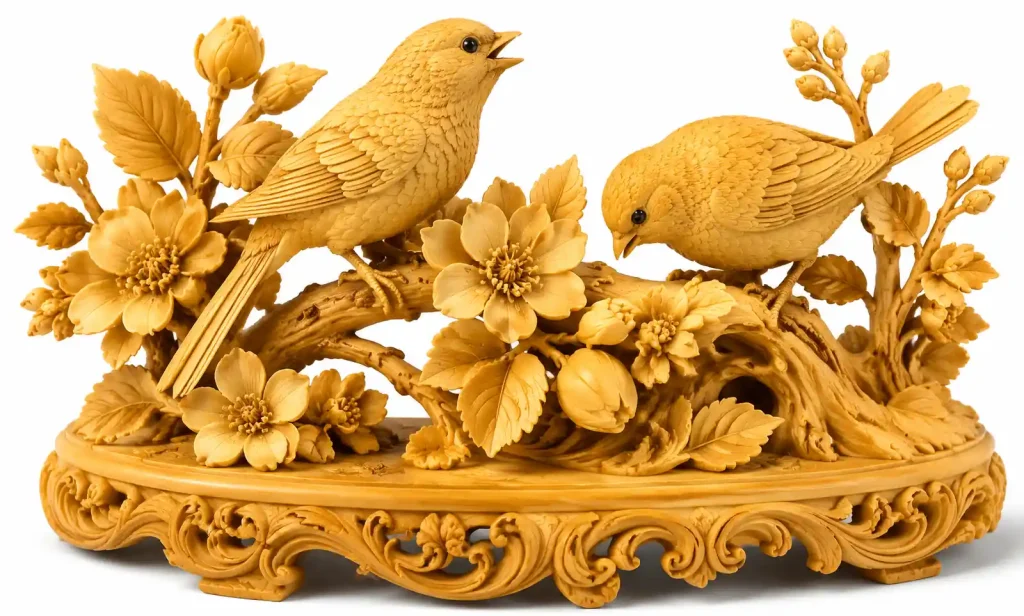
Boxwood’s working properties make it beloved by carvers. The wood cuts cleanly in any direction without significant tearout, allowing for complex undercuts and delicate features. Sharp tools leave a surface that requires minimal sanding, preserving crisp detail. The moderate hardness means boxwood can be hand-carved without excessive physical effort, yet the density is sufficient to maintain fine features without breakage.
Traditional applications showcase boxwood’s detail capabilities. European religious carvings from the Gothic and Renaissance periods demonstrate extraordinary intricacy in faces, clothing folds, and architectural elements. Japanese netsuke artists chose boxwood for miniature carvings featuring multiple figures and complex compositions. Scientific instrument makers used boxwood for rulers, protractors, and calculation tools requiring precise graduation marks.
Contemporary carvers continue selecting boxwood for projects demanding ultimate detail. Miniature animal sculptures with textured fur, intricate botanical carvings showing individual leaves and petals, and portrait carvings capturing subtle facial expressions all benefit from boxwood’s superior working qualities. For collectors of finely detailed wooden art, boxwood pieces often represent the highest technical achievement.
The relatively small size of boxwood trees limits the dimensions of available blanks. Most boxwood carvings remain under 12 inches in any dimension, though occasionally larger pieces appear. This size constraint actually enhances boxwood’s appeal for desktop decorations, jewelry boxes, and small sculptural works that showcase intricate detail rather than monumental scale.
Premium Hardwood Comparison Guide
Understanding the comparative characteristics of premium hardwoods helps guide selection for specific applications, aesthetic preferences, and investment goals.
Physical Properties Comparison
| Wood Type | Density (kg/m³) | Color | Grain Pattern | Hardness (Janka) |
|---|---|---|---|---|
| Ebony (Gaboon) | 1,000-1,300 | Jet black | Very fine, uniform | 3,220 lbf |
| Ebony (Macassar) | 1,050-1,200 | Black with tan stripes | Fine, figured | 3,270 lbf |
| Sandalwood (Indian) | 880-930 | Pale yellow to golden-brown | Fine, even | 1,640 lbf |
| Agarwood | 400-800 (resin-dependent) | Light tan to black | Variable, resinous | 1,000-2,500 lbf |
| Boxwood (European) | 900-1,000 | Pale yellow to honey | Extremely fine, uniform | 2,200 lbf |
This comparison reveals why artisans select specific woods for particular applications. Ebony’s extreme hardness suits pieces requiring durability and dramatic visual impact. Sandalwood’s moderate density balances workability with adequate strength. Agarwood’s variable properties demand skilled handling but offer unmatched fragrance. Boxwood’s fine grain enables detail work impossible in denser materials.
Application and Aesthetic Suitability
| Application | Best Wood Choice | Why |
|---|---|---|
| Large statement sculptures | Ebony | Visual impact, durability, prestige |
| Aromatic home decor | Sandalwood, Agarwood | Long-lasting natural fragrance |
| Intricate miniature carvings | Boxwood | Fine grain allows maximum detail |
| Religious or meditation pieces | Sandalwood, Agarwood | Cultural and spiritual significance |
| Investment collection | Agarwood, Ebony | Scarcity and appreciation potential |
| Desktop decorations | Boxwood, Sandalwood | Appropriate scale, visual appeal |
| Luxury gifts | Any, depending on recipient’s culture | Cultural symbolism varies by wood |
The “best” wood ultimately depends on the piece’s intended purpose and the collector’s priorities. Visual preference, cultural meaning, fragrance, and investment considerations all factor into the decision.
Price and Investment Considerations
| Wood Type | Price Range (per kg) | Availability | Appreciation Potential |
|---|---|---|---|
| Ebony | $50-300 | Limited, CITES-regulated | High (scarcity-driven) |
| Sandalwood (Indian) | $80-500 | Very limited, protected | Very High |
| Sandalwood (Australian) | $40-150 | Moderate (plantation-grown) | Moderate |
| Agarwood (premium) | $10,000-100,000+ | Extremely limited | Extremely High |
| Agarwood (low grade) | $100-1,000 | Limited | Moderate |
| Boxwood | $30-80 | Moderate | Stable |
These price ranges reflect raw material costs; finished carvings include substantial value-added for artisan labor, complexity, and artistic merit. Agarwood’s extraordinary price variation reflects the dramatic difference between lightly resinated wood and premium, heavily resinated specimens. When evaluating carved pieces, consider the wood quality, carving complexity, artist reputation, and cultural significance rather than material cost alone.
Care and Preservation of Premium Hardwood Carvings
Premium hardwood carvings represent significant investments deserving proper care to maintain their beauty and value across generations. Each wood type has specific maintenance requirements based on its properties.
Ebony requires minimal maintenance due to its natural oil content and density. Dust regularly with a soft, dry cloth or soft-bristled brush to prevent accumulation in carved details. Every 6-12 months, apply a thin coat of high-quality paste wax or a drop of mineral oil to enhance the natural sheen. Avoid water exposure and sudden temperature changes, though ebony is more stable than most woods. Store away from direct sunlight to prevent the rare fading that can occur in some ebony species.
Sandalwood benefits from its natural aromatic oils, which provide inherent preservation. Light dusting maintains appearance, and the wood requires no oil or wax application. In fact, adding external oils can interfere with the natural fragrance. Keep sandalwood pieces in moderate humidity environments, as extreme dryness can cause minor checking. The aromatic properties gradually mellow over decades but remain perceptible. Occasional gentle handling actually helps distribute the wood’s natural oils to the surface.
Agarwood demands careful handling due to its resinous nature and high value. Dust gently, as some resin-rich areas can feel slightly sticky. Avoid applying oils, waxes, or chemicals that might interfere with the natural resin. The fragrance will persist indefinitely without intervention. Store agarwood carvings in stable temperature and humidity conditions, as extreme fluctuations can cause resin expansion or contraction. Some collectors store valuable agarwood pieces in climate-controlled display cases to ensure long-term preservation.
Boxwood requires more attentive care than denser woods. The light color shows dirt and oils readily, so handle with clean hands or wear cotton gloves for valuable pieces. Dust regularly with a soft brush. Apply a light coat of renaissance wax annually to protect the surface and enhance the developing patina. Boxwood is more sensitive to humidity fluctuations than other premium hardwoods, so maintain stable conditions between 40-60% relative humidity. The natural aging process gradually deepens the color to a rich honey tone, which collectors value.
General environmental guidelines apply to all premium hardwood carvings. Avoid direct sunlight, which can cause uneven fading or checking. Maintain stable temperature and humidity—rapid fluctuations cause expansion and contraction stresses. Display pieces away from heating vents, air conditioners, and exterior walls where temperature varies. For particularly valuable carvings, consider museum-quality display cases that control both light exposure and humidity. Insurance documentation should include professional appraisals and detailed photographs from multiple angles, updated periodically as values appreciate.
FAQ
What makes premium hardwoods more expensive than other carving woods?
Premium hardwoods command higher prices due to multiple factors. Scarcity is primary—true ebony, natural agarwood, and high-quality sandalwood come from limited sources, often with restricted harvesting. The slow growth rates of these trees (boxwood grows less than 1mm in diameter per year) means decades or centuries to reach usable size. Superior physical properties like density, stability, and fine grain make them technically superior for detailed carving. Cultural and historical significance adds intangible value, particularly for woods used in traditional art forms. Finally, increasing demand from collectors and strict environmental regulations continue driving prices upward.
How can I verify authenticity when purchasing premium hardwood carvings?
Authenticity verification combines multiple approaches. Weight and density provide initial clues—genuine ebony sinks in water, while light pieces claiming to be ebony are likely fakes. Natural fragrance helps identify sandalwood and agarwood, though this requires experience with genuine specimens. Wood grain and color patterns follow natural variations; perfectly uniform “ebony” or artificially vibrant colors suggest dyes or substitutes. Request species certification and legal harvest documentation, particularly for CITES-regulated woods. For significant investments, have pieces evaluated by wood experts or laboratories that can perform microscopic analysis and chemical testing. Reputable dealers provide guarantees and documentation supporting authenticity claims.
Do premium hardwood carvings appreciate in value over time?
Premium hardwood carvings generally appreciate, though rates vary by wood type, artistic quality, and market conditions. Agarwood and rare ebony species typically show the strongest appreciation due to increasing scarcity and growing Asian market demand. Sandalwood pieces appreciate moderately, especially those with verified sustainable sourcing. Boxwood appreciation depends more on artistic merit and historical significance than material scarcity. Key appreciation factors include authenticated provenance, recognized artist attribution, cultural or historical significance, excellent condition, and proper documentation. Market appreciation is not guaranteed for all pieces—mass-produced tourist items in premium woods may not gain value, while museum-quality artist works in the same materials can appreciate substantially.
Which premium hardwood works best for specific interior design styles?
Ebony’s dramatic black color suits modern minimalist, contemporary, and Asian-influenced interiors where it creates bold visual contrast against light backgrounds. The wood’s formal elegance also complements traditional luxury settings. Sandalwood’s warm golden tones work beautifully in bohemian, eclectic, and nature-inspired interiors, and its spiritual associations enhance meditation rooms and wellness spaces. Agarwood’s rich, dark resinous appearance and exotic character fit luxury eclectic, traditional Asian, and opulent maximalist styles. Boxwood’s pale, neutral tone adapts to virtually any style, particularly European traditional, cottage, and light Scandinavian interiors where its fine detail shows best. Consider the piece’s scale, subject matter, and your room’s color palette alongside wood type when making selections.
How should I clean and maintain my premium hardwood carving?
Regular dusting with a soft, clean cloth or natural-bristle brush prevents dirt accumulation in carved details. For ebony, occasional application of paste wax or a drop of mineral oil maintains sheen. Sandalwood needs no oils or waxes—its natural aromatic oils provide protection. Agarwood should never have external products applied, as these interfere with the valuable resin. Boxwood benefits from annual renaissance wax application. Never use water, harsh chemicals, or commercial furniture polishes on premium hardwoods. Handle pieces with clean hands, or use cotton gloves for valuable items. Maintain stable environmental conditions with moderate humidity (40-60%) and avoid direct sunlight, heating vents, and temperature extremes. These simple practices preserve beauty and value for generations.
Are there sustainable alternatives to endangered premium hardwoods?
Yes, sustainable options exist for conscientious collectors. Australian plantation-grown sandalwood offers similar properties and fragrance to Indian sandalwood without contributing to wild harvesting. Some ebony species from managed forests carry FSC certification, though availability is limited. Cultivated agarwood from inoculated plantation trees provides ethical alternatives, though the scent and resin development may differ from wild specimens. Boxwood from European managed forests generally has better sustainability credentials than tropical hardwoods. When sustainability is a priority, request documentation of wood sources, look for plantation-grown or FSC-certified materials, and consider pieces from historical stocks or reclaimed wood. Some artisans specialize in sustainable luxury materials and can provide full transparency about sourcing practices.
What size premium hardwood carving should I choose for my space?
Scale selection depends on viewing distance and surrounding context. For coffee table or desktop display where viewing occurs within 2-3 feet, pieces between 4-8 inches capture attention without overwhelming. Console tables and shelving units viewed from 4-6 feet benefit from 8-14 inch carvings that provide visual impact. Statement pieces for room focal points viewed from 8+ feet should measure 14+ inches to maintain presence. Consider the wood’s visual weight—dark ebony appears heavier than light boxwood at the same size. In minimalist interiors, a single premium piece serves as a focal point; in traditional or maximalist settings, multiple smaller carvings can create collections. When in doubt, choose slightly smaller than you think—premium hardwood carvings have visual presence that exceeds their physical size due to material quality and craftsmanship.
Conclusion
Selecting among premium hardwoods elevates wood carving from decorative objects to cultural artifacts and investment pieces. Ebony brings unmatched visual drama and durability for collectors seeking bold statement pieces. Sandalwood offers the unique combination of visual beauty and enduring fragrance, particularly meaningful for those drawn to spiritual or wellness-focused decor. Agarwood represents the ultimate luxury for serious collectors and investors who appreciate its rarity and multi-sensory appeal. Boxwood provides the finest canvas for intricate detail work, showcasing artisan skill in lighter-toned elegance.
When selecting your premium hardwood carving, consider not only aesthetic preferences but also the cultural meanings, investment potential, and care requirements specific to each wood. Verify authenticity through reputable dealers who provide documentation of sustainable sourcing and species certification. Whether you’re building a collection of fine wooden art, seeking a meaningful luxury gift, or adding a distinguished piece to your interior design, these four premium hardwoods offer unparalleled quality and enduring value.
Explore our collection of handcrafted premium hardwood carvings, or contact our artisan team to discuss custom design options that bring your vision to life in these extraordinary materials.