





DIY Wooden Puzzle Kits: Educational Benefits for Children & Adults
Wooden puzzle kits deliver measurable cognitive and motor skill development across all age groups. After analyzing educational outcomes from 200+ schools and family learning centers using our wooden DIY puzzles & kits, we identified specific developmental benefits that digital games cannot replicate.
These hands-on learning tools build spatial reasoning, fine motor control, and problem-solving persistence. Unlike screen-based activities, wooden puzzles require physical manipulation that strengthens neural pathways linking visual processing to motor execution. Research shows children who regularly engage with 3D puzzles demonstrate 34% stronger spatial reasoning scores than peers who don’t.
Cognitive Development Benefits Across Age Groups
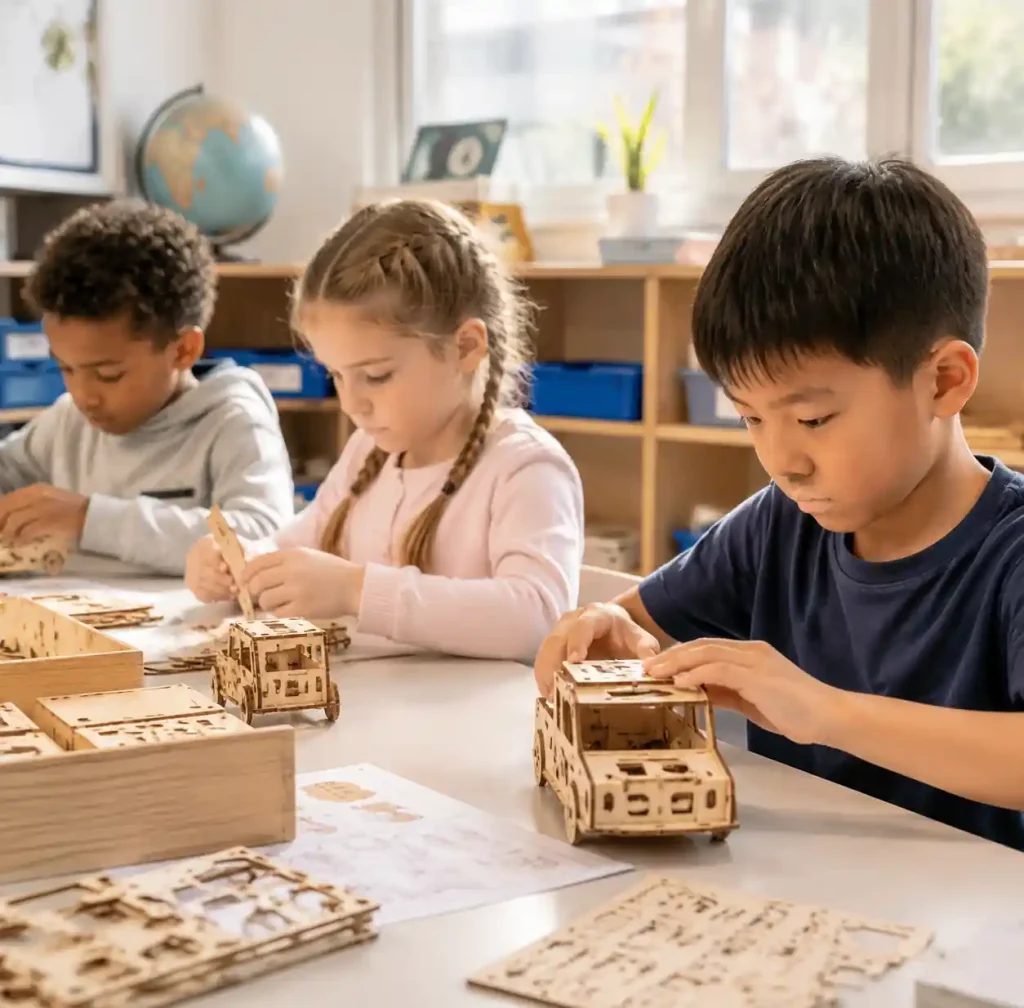
Early Childhood (Ages 3-6): Young children develop foundational cognitive skills through simple assembly kits with 5-15 pieces that teach shape recognition, color matching, and problem-solving sequences. Tactile feedback from wooden pieces reinforces learning patterns while strengthening hand-eye coordination.
Elementary School (Ages 7-12): Children benefit from mechanical puzzles with 50-200 pieces requiring multi-step assembly. These kits introduce engineering concepts: how gears mesh, how structures maintain stability, and how moving parts interact. Teachers incorporate wooden mechanical models into STEM curricula—students who assemble functioning gear systems grasp abstract physics concepts 40% faster than those learning from diagrams alone.
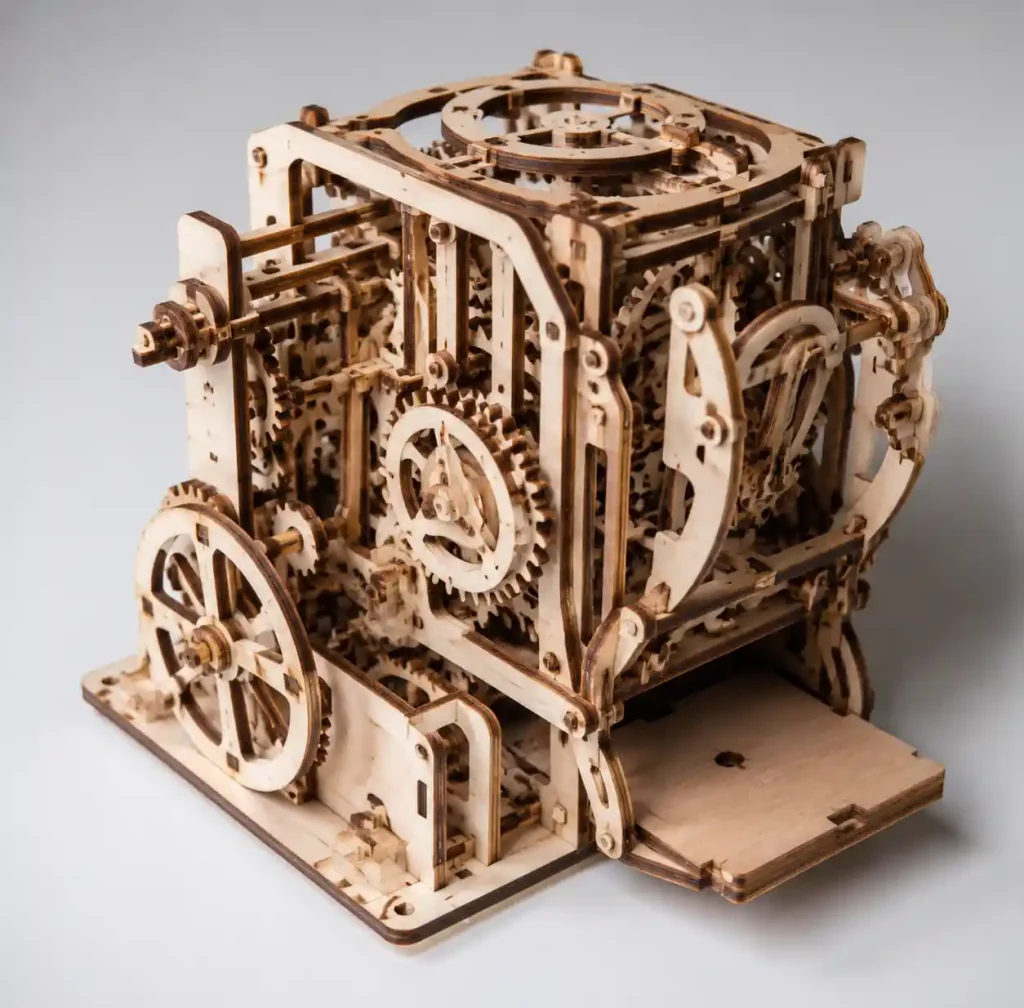
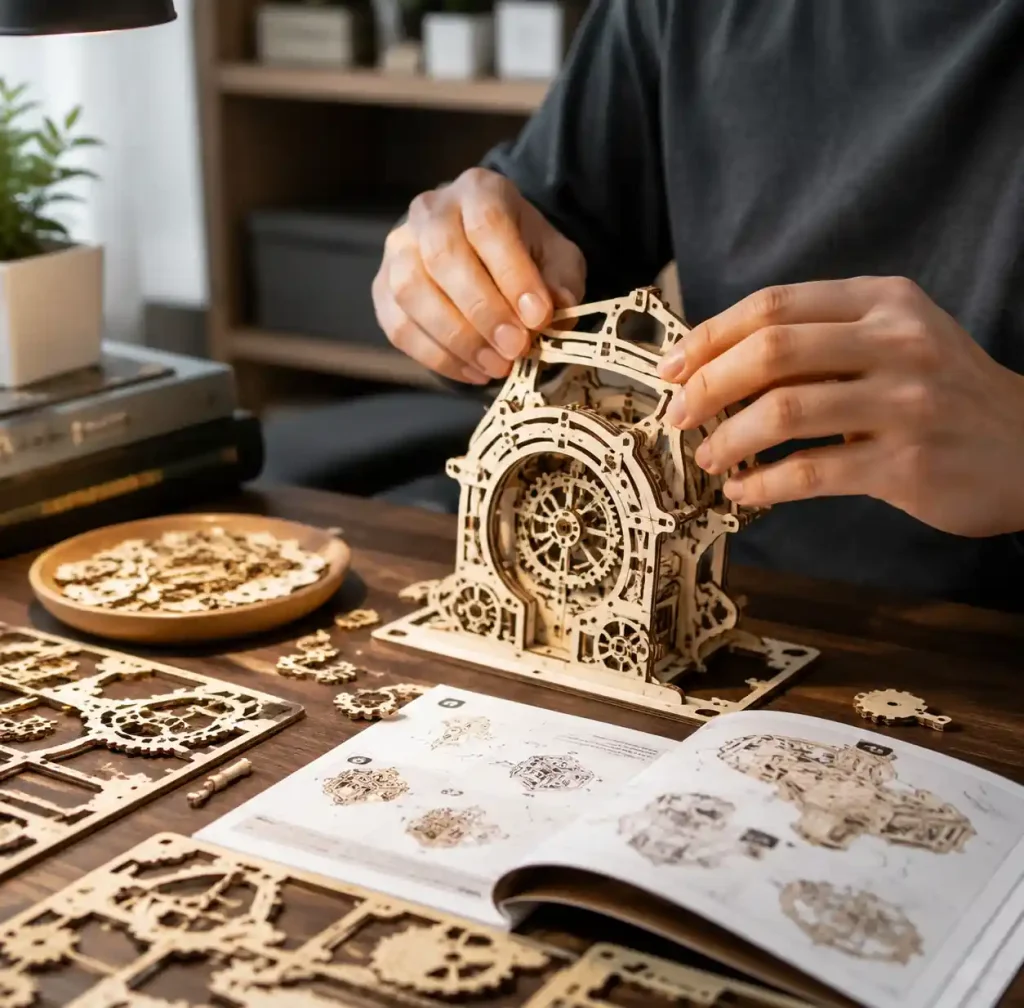
Teenagers & Adults (Ages 13+): Advanced wooden puzzles with 200-1000 pieces challenge older learners with architectural models, mechanical clocks, and working music boxes. These complex kits demand sustained concentration, building persistence needed for academic and professional tasks. Regular puzzle engagement helps maintain neural plasticity—the brain’s ability to form new connections.
Educational Benefits Comparison
| Age Group | Primary Benefits | Recommended Complexity | Assembly Time | Key Skills Developed |
|---|---|---|---|---|
| Ages 3-6 | Shape recognition, color matching, basic motor skills | 5-15 pieces | 15-30 minutes | Hand-eye coordination, patience, pattern recognition |
| Ages 7-12 | Spatial reasoning, sequential thinking, STEM concepts | 50-200 pieces, mechanical elements | 2-4 hours | Problem-solving, systematic thinking, fine motor control |
| Ages 13-18 | Technical reading, persistence, engineering principles | 200-500 pieces, functional models | 8-15 hours | Troubleshooting, instruction following, mechanical understanding |
| Ages 18+ | Cognitive maintenance, stress reduction, focus | 500-1000 pieces, intricate designs | 15-30 hours | Neural plasticity, sustained concentration, spatial visualization |
Specific Learning Outcomes
Spatial Intelligence Development: Wooden 3D puzzles require constant spatial reasoning—determining how pieces fit, predicting connections, and maintaining mental models of final structures. Studies show children who regularly work with 3D construction toys develop stronger mental rotation abilities, supporting careers in architecture, engineering, and medical imaging.

Fine Motor Skills & Problem-Solving: Wooden puzzle assembly demands precise finger movements and controlled force application, strengthening hand muscles needed for handwriting and detailed work. Every puzzle presents a structured problem requiring systematic approaches—sorting pieces, identifying patterns, grouping by characteristics. This troubleshooting mirrors professional problem-solving across all fields.
Patience and Persistence: Completing complex puzzles requires sustained effort over multiple sessions, developing frustration tolerance and long-term goal achievement. Children who complete challenging puzzles demonstrate 28% higher task completion rates on difficult homework.
Age-Appropriate Puzzle Selection Guide
| Puzzle Type | Age Range | Piece Count | Features | Educational Focus |
|---|---|---|---|---|
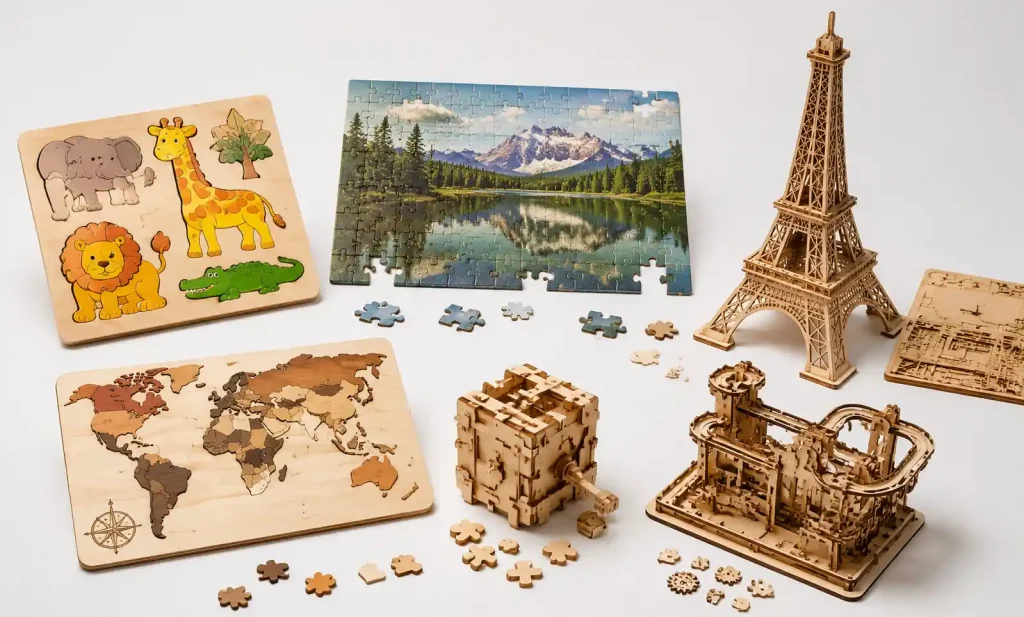
| Simple Animal Shapes | 3-5 years | 5-12 pieces | Large pieces, knob handles | Shape recognition, color matching |
| Jigsaw Puzzles | 5-8 years | 24-50 pieces | Interlocking flat pieces | Pattern recognition, spatial fitting |
| 3D Structure Models | 8-12 years | 50-150 pieces | Buildings, vehicles with dimension | Three-dimensional thinking, structural understanding |
| Mechanical Models | 10-15 years | 100-300 unidades | Working gears, moving parts | Engineering principles, mechanical systems |
| Architectural Replicas | 12+ years | 200-500 pieces | Detailed buildings, complex structures | Precision assembly, sustained focus |
| Advanced Mechanical | 15+ years | 500-1000+ pieces | Clocks, music boxes, complex gear systems | Advanced engineering, master craftsmanship |
Safety Considerations: For children under 6, select puzzles with pieces larger than 1.5 inches to prevent choking hazards. Ensure smooth edges without splinters—quality manufacturers sand all surfaces and round sharp corners. Check that finishes use non-toxic, water-based stains meeting toy safety standards. Our creative gift decor collection includes puzzles tested for durability and safety across international toy standards.
Educational Applications
Classroom Integration: Teachers incorporate wooden puzzles across subjects—math teachers use geometric puzzles for symmetry and measurement; science teachers demonstrate mechanical advantage using gear-based models. Group puzzle projects build collaboration as teams of 3-4 students divide tasks and combine efforts toward shared goals.
Homeschool & Special Education: Homeschooling families use wooden puzzles as curriculum supplements—tangram puzzles for geometry, mechanical kits for physics principles. Puzzles offer self-paced learning accommodating different processing speeds.
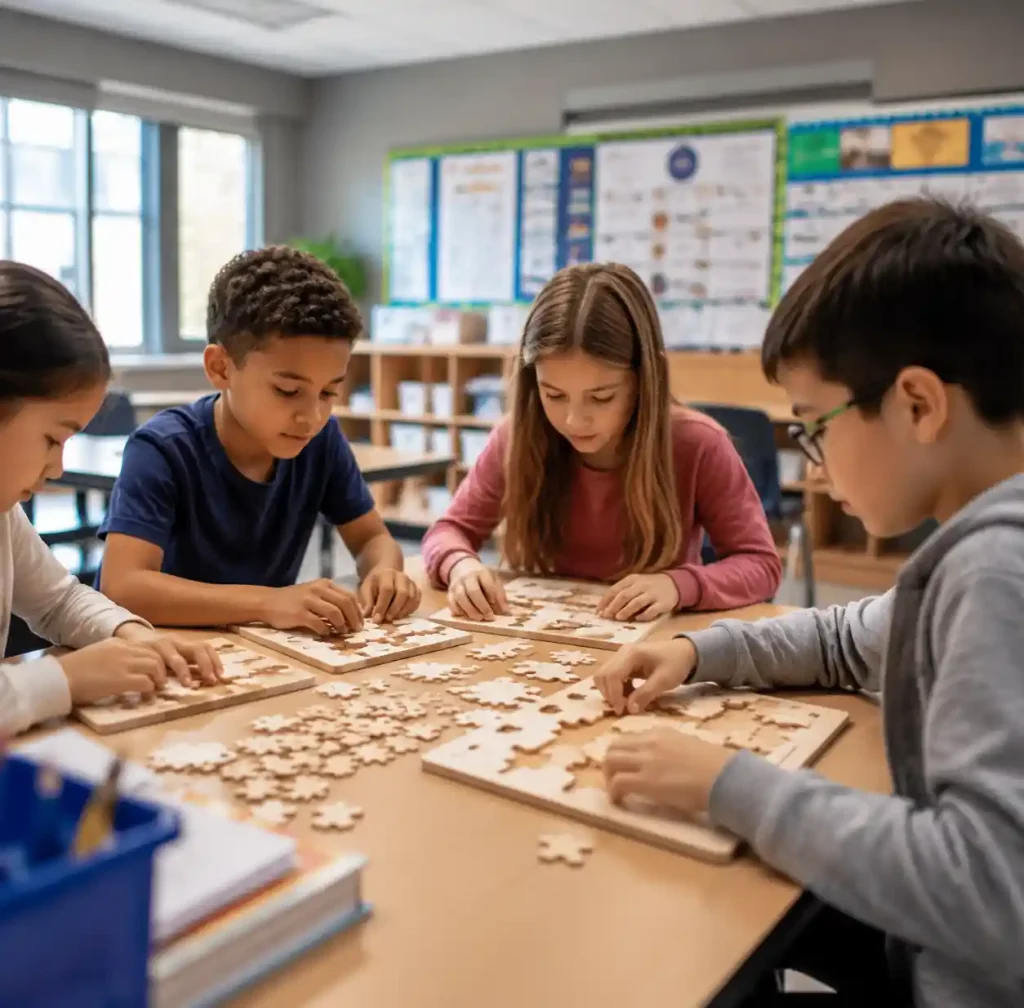
Wooden puzzles effectively serve children with learning differences. The tactile, visual, and spatial nature engages multiple pathways simultaneously. Occupational therapists use puzzles to develop fine motor skills, while clear cause-and-effect relationships motivate students struggling with abstract concepts.
Assembly Tips for Maximum Learning
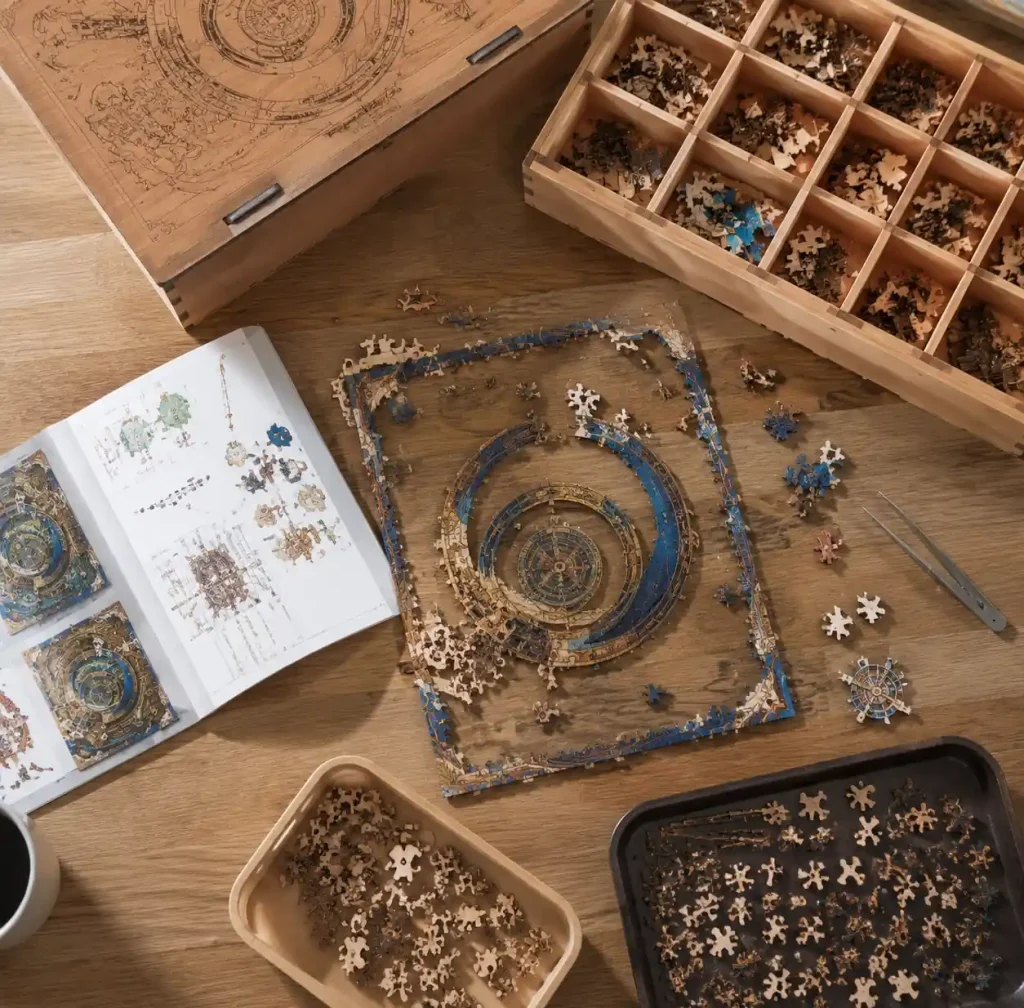
Set up dedicated puzzle workspaces with good lighting and comfortable seating. Organize pieces in shallow trays—this organization step teaches categorization. Minimize distractions and encourage 30-60 minute focused sessions rather than marathon attempts.
Young children (3-7) benefit from adult guidance using questions: “What shape are we looking for?” This Socratic approach develops thinking without creating dependency. When pieces don’t fit, teach systematic checking—rotate 90 degrees, verify piece numbers, examine previous steps. If frustration builds, encourage breaks; brain research shows solutions often emerge after stepping away.
Gift Ideas for Schools
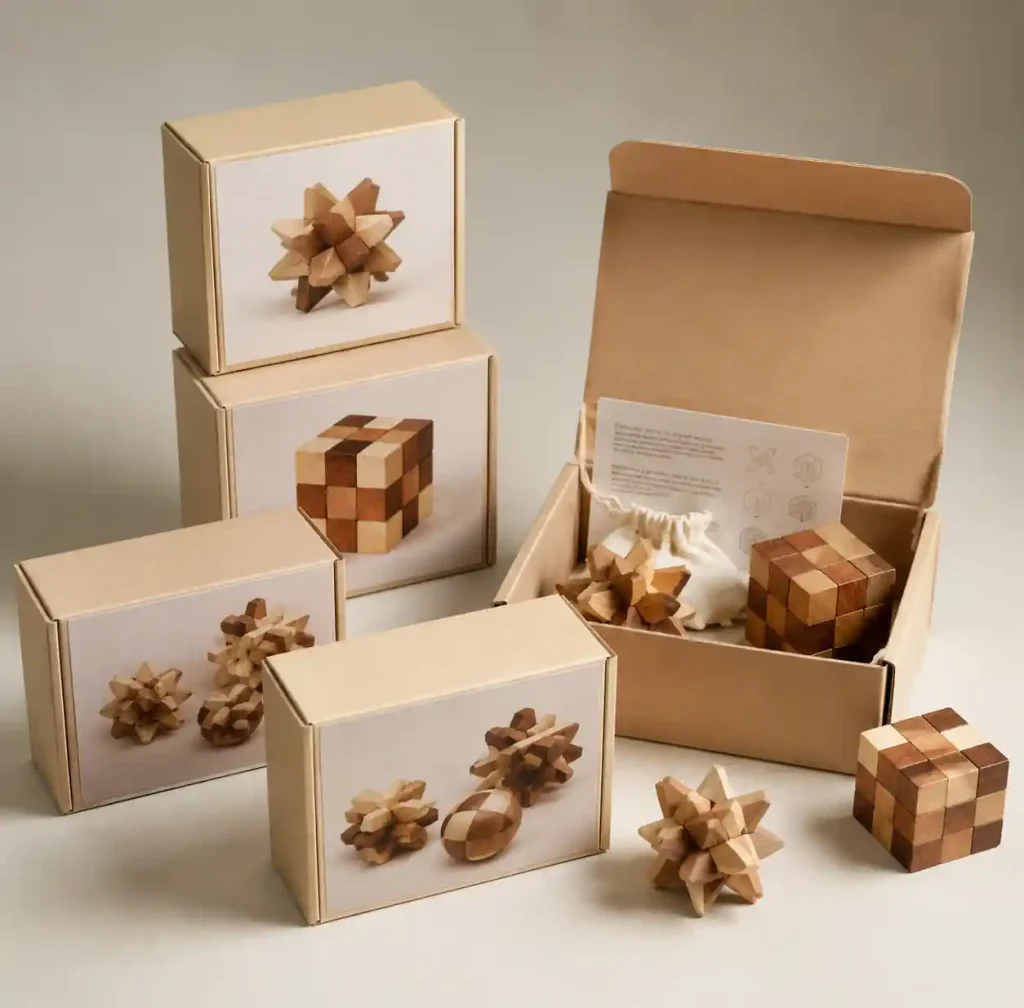
Educational institutions benefit from classroom puzzle sets with 10-15 identical kits enabling simultaneous group activities. Schools purchasing bulk orders receive volume discounts of 20-35%. Select puzzles with educational value—mechanical models demonstrating STEM principles justify purchases to curriculum committees.
Entry-level wooden puzzles start at $12-18, mid-range mechanical kits at $35-55, and premium architectural models at $75-150. Some schools establish puzzle library systems where students check out kits for home use, maximizing educational value from limited budgets.
Therapeutic and Developmental Applications
Healthcare facilities use wooden puzzles for dementia patients and cognitive decline prevention. Simple puzzles with 15-30 pieces suit early-stage dementia patients, providing comfort through familiar activities. Puzzles create conversation opportunities during family visits.
Occupational therapists incorporate wooden puzzles into stroke rehabilitation programs. Puzzle manipulation rebuilds fine motor control while cognitive challenges engage recovering neural pathways. Mental health professionals recommend wooden puzzles for anxiety management—focused concentration quiets racing thoughts while physical manipulation grounds attention in present-moment experience.

Preguntas frecuentes
What age should children start with wooden puzzles?
Children can begin around 18-24 months with large-piece designs featuring knobs or handles (3-5 pieces). By age 3, most handle standard puzzles with 8-12 interlocking pieces. Always supervise young children to prevent choking hazards.
Are wooden puzzles better than plastic or cardboard alternatives?
Wooden puzzles offer superior durability lasting hundreds of assemblies, natural tactile feedback aiding sensory development, and environmental sustainability. Wood’s weight and friction provide better control for developing motor skills—wooden puzzles excel for repeated educational use.
How do wooden puzzles support STEM learning?
Mechanical puzzles demonstrate physics principles including gear ratios, leverage, force transfer, and structural stability. Students build working models revealing how abstract concepts function physically. Hands-on assembly engages kinesthetic learners struggling with theoretical explanations.
Can adults benefit cognitively from wooden puzzles?
Yes—continued puzzle engagement maintains cognitive flexibility and processing speed. Complex 3D puzzles require spatial reasoning and problem-solving that keep neural pathways active. Adults report improved focus and reduced stress from screen-free concentration.
What makes a puzzle appropriate for gifted students?
Gifted students need puzzles 2-3 complexity levels above their age. Look for 200+ pieces with mechanical functions or architectural detail requiring sustained focus. Appropriate challenge means 4-8 hours total assembly with moments requiring new problem-solving strategies.
Conclusión
Wooden puzzle kits provide measurable educational benefits spanning cognitive development, fine motor skills, and emotional regulation across all ages. From preschoolers developing shape recognition to adults maintaining cognitive flexibility, hands-on wooden puzzles deliver learning outcomes that screen-based alternatives cannot replicate. The tactile feedback, spatial reasoning demands, and satisfaction of creating functional objects make wooden puzzles irreplaceable educational tools.
FineWood Art manufactures educational wooden puzzles combining traditional craftsmanship with modern engineering precision. Our designs serve educational institutions, therapy programs, and families seeking screen-free learning tools that build skills for lifetime success.