





Sourcing Agarwood Bracelets for Wellness Brands
Agarwood prayer beads have become a quiet hit in the wellness space—they’re not just accessories, they’re tools for mindfulness that carry centuries of spiritual tradition. For wellness brands looking to expand into meaningful products, sourcing authentic agarwood bracelets requires understanding the material, the culture, and the supply chain. From wooden bracelets and beads crafted from premium hardwoods to custom mala designs, the right sourcing partner makes all the difference. Here’s what actually matters.
Why Agarwood Matters for Wellness Brands
Agarwood—known as “oud” in the Middle East and “chen xiang” in China—has been revered across Buddhist, Islamic, and traditional medicine practices for centuries. Buddhist practitioners use agarwood prayer beads (malas) to count mantras during meditation. The resinous wood produces a complex, woody fragrance that’s believed to calm the mind and deepen meditative states.
Traditional Chinese medicine associates agarwood with promoting “qi” circulation, making it a natural fit for wellness applications. Japanese incense ceremonies have long used agarwood for spiritual purification.
For wellness brands, this multicultural heritage provides authentic storytelling. Agarwood bracelets carry genuine cultural weight that resonates with consumers seeking meaningful connections to ancient wisdom traditions. The key is respectful representation—not appropriation.
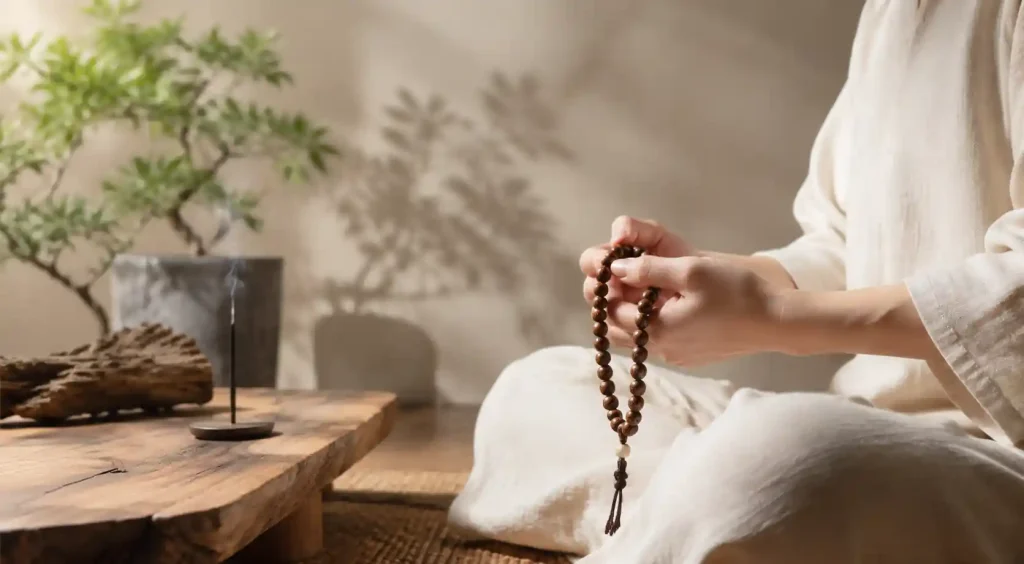
The fragrance itself develops naturally over years as the Aquilaria tree responds to fungal infection. This aging process can’t be replicated synthetically, giving authentic agarwood a built-in value proposition. The scent profile—earthy, woody, slightly sweet—supports mindfulness without overwhelming the senses.
Agarwood Grades and Quality Levels
Quality varies dramatically based on resin content, age, and origin. Understanding these grades helps brands position products at different price points:
| Grade | Resin Content | Scent Characteristics | Ideale per | Price |
|---|---|---|---|---|
| Premium Grade A | 30-50%+ | Strong, complex, long-lasting | Luxury collections, VIP gifts | $$$ |
| Mid-Grade B | 15-30% | Noticeable, balanced profile | Core product lines | $$ |
| Entry Grade C | 5-15% | Subtle scent, visual appeal | Introductory offerings | $ |
| Cultivated | Variable | Consistent, good quality | Scalable production | $$ |
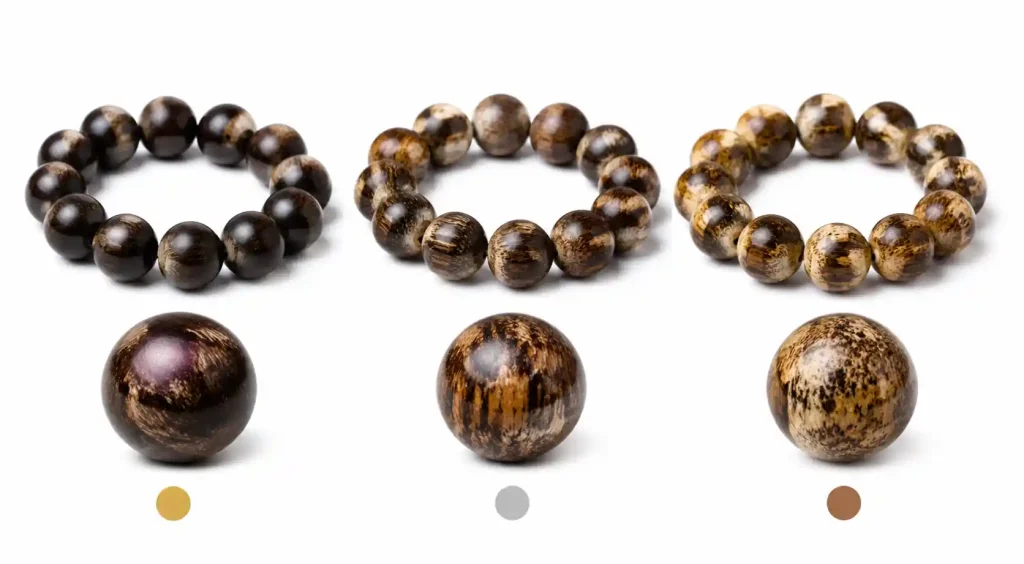
Premium grade shows visible resin marbling and releases persistent fragrance when worn. For high-end markets, this tier justifies premium pricing.
Mid-grade is the sweet spot for most wellness brands—noticeable fragrance without the cost barrier of premium. The scent is subtler but genuinely agarwood, not treated alternatives.
Cultivated agarwood from managed plantations offers consistency and ethical sourcing. While wild agarwood has more complex scent profiles, cultivated varieties provide scalability—critical for brands planning inventory growth.
Sourcing Strategies for Wellness Brands
Direct manufacturer relationships: Work directly with Chinese agarwood bracelet manufacturers who specialize in these products. Skip the middlemen, enable customization, and get supply chain transparency that supports authenticity claims. Request CITES compliance documentation and verify production quality before committing.
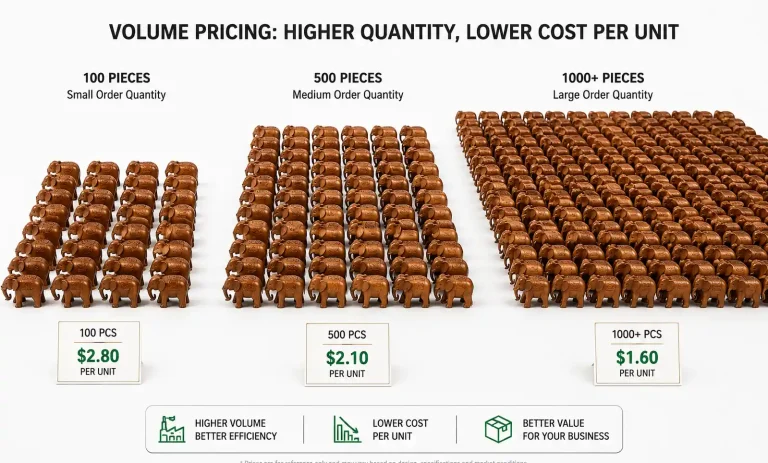
MOQ and flexibility: Most manufacturers require 100-500 pieces per design. Start with smaller test orders across multiple designs to identify best-sellers before scaling. Some offer mixed-grade options to test market response at different price points simultaneously.
Customization that differentiates:
| Customization Element | Options | Brand Benefit |
|---|---|---|
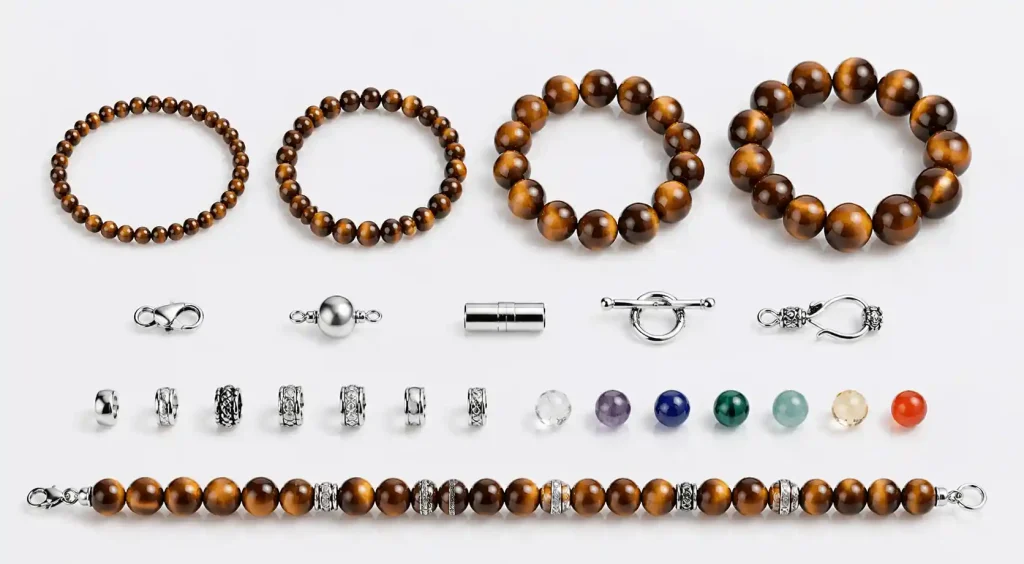
| Bead Count | 108, 54, 27, 21, 18 | Serves meditation and fashion |
| Bead Size | 6mm, 8mm, 10mm, 12mm | Price and style variation |
| Closure | Elastic, sliding knot, clasp | Comfort and sizing flexibility |
| Accent Materials | Silver spacers, gemstones, tassels | Brand differentiation |
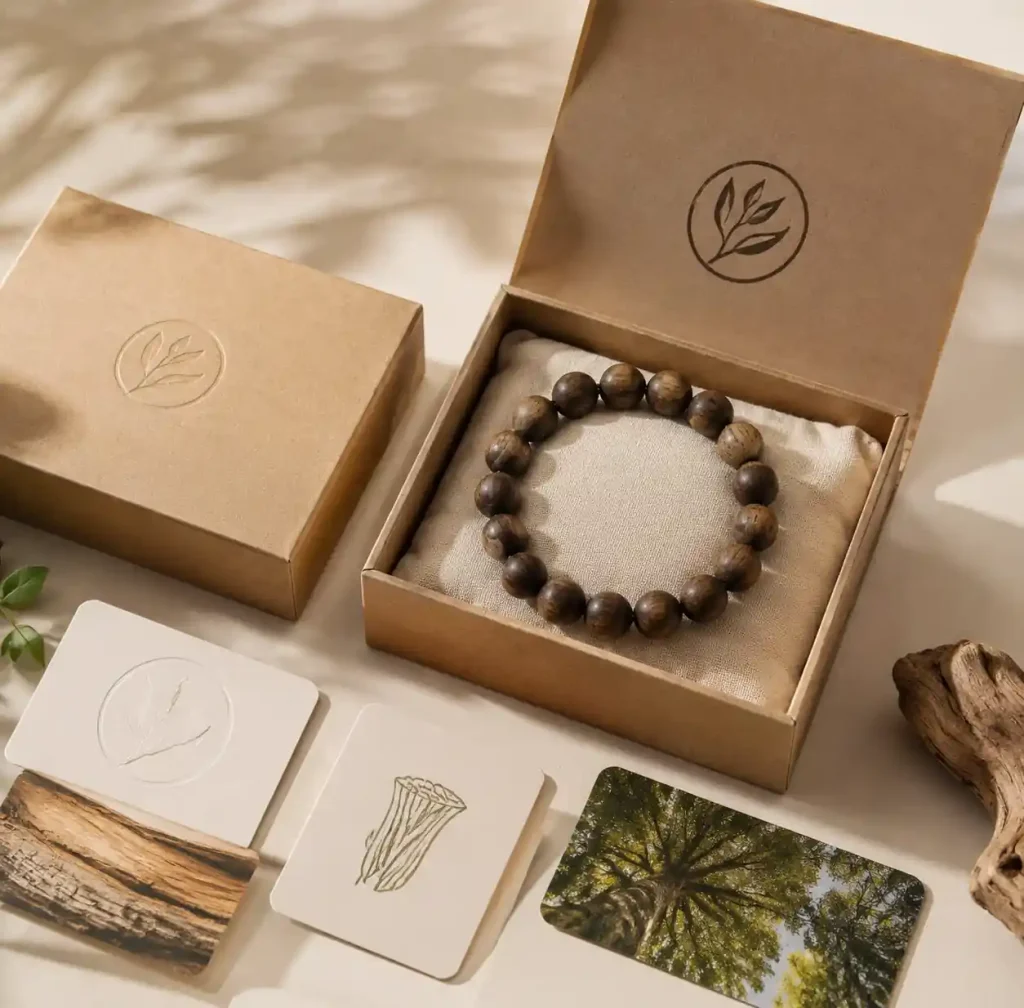
| Packaging | Sustainable boxes, silk pouches | Unboxing experience |
Quality verification: Request photo documentation at key production stages—bead selection, stringing, packaging—before final shipment. This reduces receiving issues and signals that quality standards are non-negotiable.
Quality Assessment and Authentication
Agarwood markets contain treated, synthetic, or misrepresented products. Here’s how to verify authenticity:
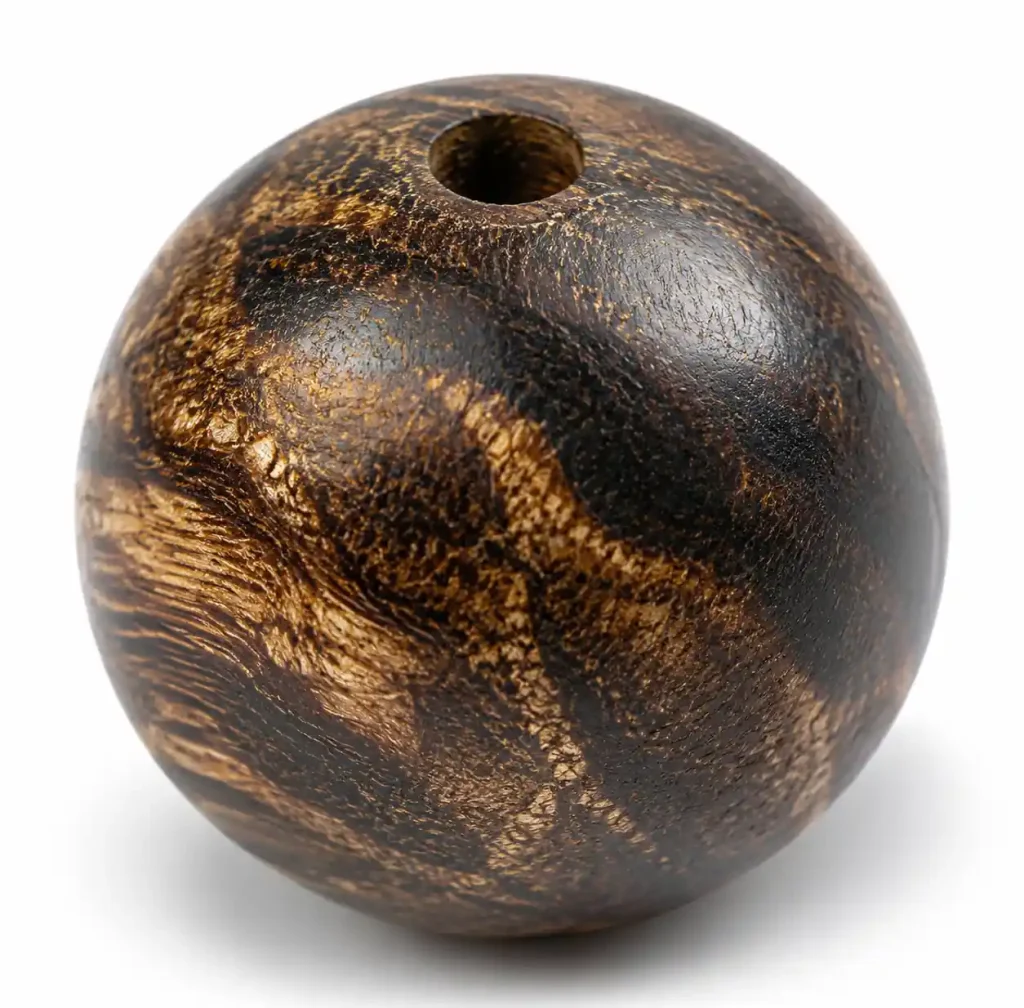
Visual inspection: Genuine agarwood shows natural variation in color and grain—irregular resin distribution creating darker streaks. Perfect uniformity across all beads often indicates artificial treatment.
Scent testing: Gently rub a bead to create friction heat, then smell the warmed surface. Authentic agarwood releases a complex, woody-sweet aroma that evolves over several seconds. Synthetic fragrances smell immediately strong, uniform, and slightly chemical.
Density check: Higher resin content feels noticeably heavier than resin-poor wood of the same size. Beads that feel extremely light may indicate inferior wood species.
Supplier verification: Request documentation of agarwood origin and species identification. Reputable manufacturers maintain relationships with sustainable plantations and provide traceability. For international shipments, CITES documentation should accompany regulated species.
Third-party testing: For premium lines, consider independent lab testing via DNA analysis or chemical profiling. Adds cost and lead time but provides definitive authentication that supports premium pricing.
Product Development for Wellness Markets
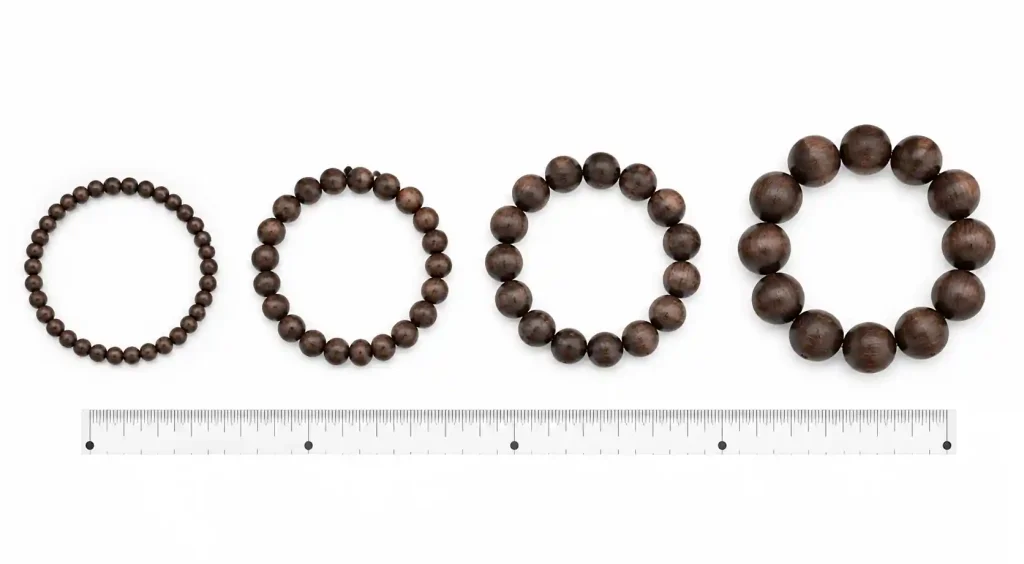
Bead count: Traditional Buddhist malas have 108 beads. Offer this for meditation purists, plus wrist malas with 18, 21, or 27 beads that fit comfortable wrist sizes while maintaining symbolic significance.
Bead size: 10-12mm creates bold statement pieces. 6-8mm offers subtle elegance suitable for professional environments. Develop a sizing range for different use cases.
Complementary materials: Enhance with silver spacers, gemstone accents (amethyst for calm, rose quartz for compassion), or tassels. This creates layered meaning and visual differentiation.
Packaging: Sustainable materials align with wellness values. Include care instruction cards that educate customers about agarwood properties and maintenance, reducing returns and building product longevity.
Cura e manutenzione
Customers need basic care guidance to protect their investment:
- Keep away from harsh chemicals, perfumes, and cleaning products
- Remove before swimming or showering to protect stringing materials
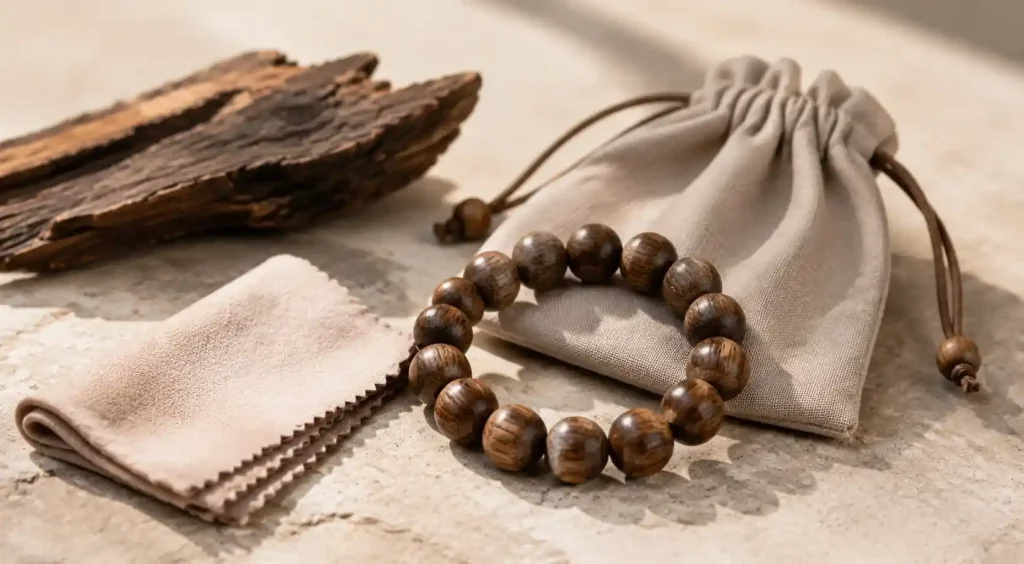
- Wipe with a soft, dry cloth after workouts or in humid conditions
- Store in fabric pouches or wooden boxes—never sealed plastic bags
- The natural patina from skin oils is desirable; it enhances luster and fragrance release
Providing these instructions demonstrates brand commitment to customer success and reduces preventable returns.
Domande frequenti
What makes agarwood suitable for wellness brands vs fashion retailers?
Agarwood aligns with wellness positioning through authentic spiritual heritage, natural materials, and traditional use in meditation. Wellness customers seek meaningful products with functional purposes beyond decoration. The aromatherapeutic properties and cultural significance provide storytelling that resonates with mindfulness-focused consumers in ways purely aesthetic jewelry cannot.
How can I verify I’m getting genuine agarwood?
Request samples and conduct scent testing—genuine agarwood releases complex, woody-sweet fragrances, not uniform chemical scents. Work with manufacturers who provide species documentation and CITES compliance. For premium lines, consider third-party lab testing via chemical or DNA analysis for definitive verification.
What MOQ should I expect?
Most manufacturers require 100-500 pieces per design, depending on customization complexity. Negotiate mixed orders combining different bead sizes or grades to meet MOQs while testing market response. Start with smaller trial orders to establish relationships that support larger future orders.
Are there regulatory restrictions on wellness claims?
Yes. Rather than claiming agarwood “reduces stress,” reference traditional uses: “used in Buddhist meditation traditions to support contemplative practice.” Educational content about cultural significance is appropriate; specific health benefit claims require substantiation and face regulatory scrutiny.
How does cultivated agarwood compare to wild?
Cultivated agarwood offers consistency, ethical sourcing, and scalability. Wild agarwood may have more complex scent profiles but is heavily regulated. For most wellness brand applications, quality cultivated agarwood meets customer expectations while supporting sustainability values and reliable inventory planning.
Conclusione
Agarwood prayer beads offer a compelling product opportunity for wellness brands seeking authentic, meaningful items that align with mindfulness values. Success requires cultural respect, quality commitment, and customer education. Invest time in understanding grades, establishing manufacturer relationships, and communicating value transparently.
Start by requesting samples from multiple manufacturers. Develop clear specifications for bead size, grade requirements, and customization before ordering. Plan inventory across multiple price points to serve different customer segments while testing market response.
For wellness brands ready to explore agarwood bracelets, working with experienced Chinese wood carving manufacturers who understand both traditional craftsmanship and contemporary wellness markets creates the foundation for successful product development. Thoughtful sourcing and authentic positioning will resonate with customers seeking meaningful connections to ancient wisdom traditions.