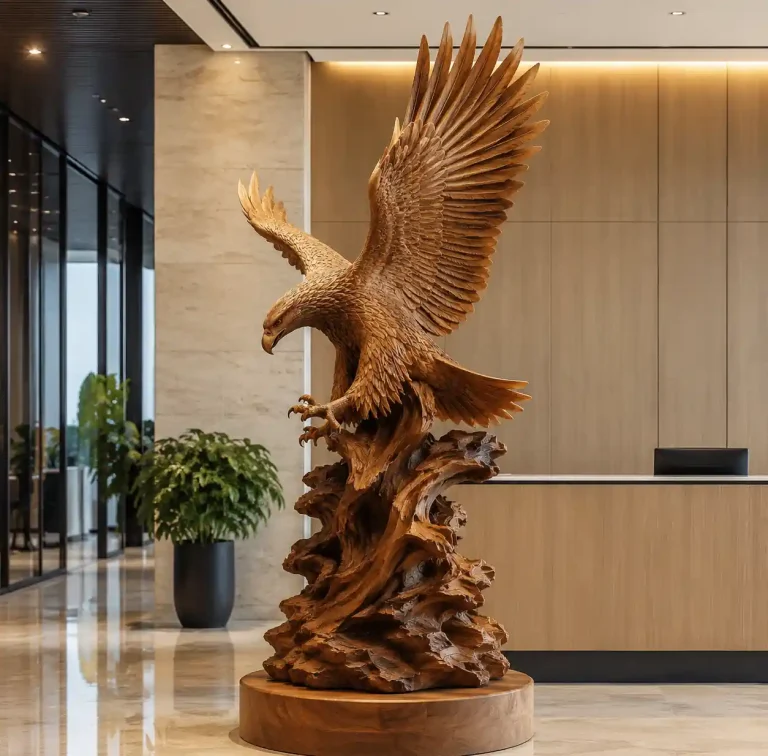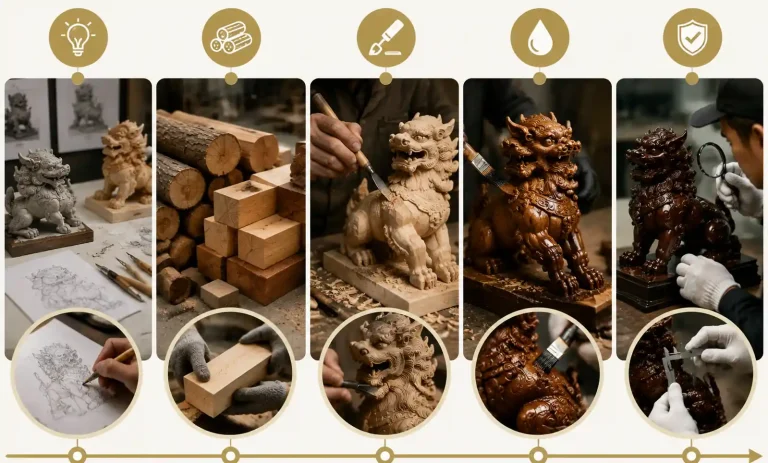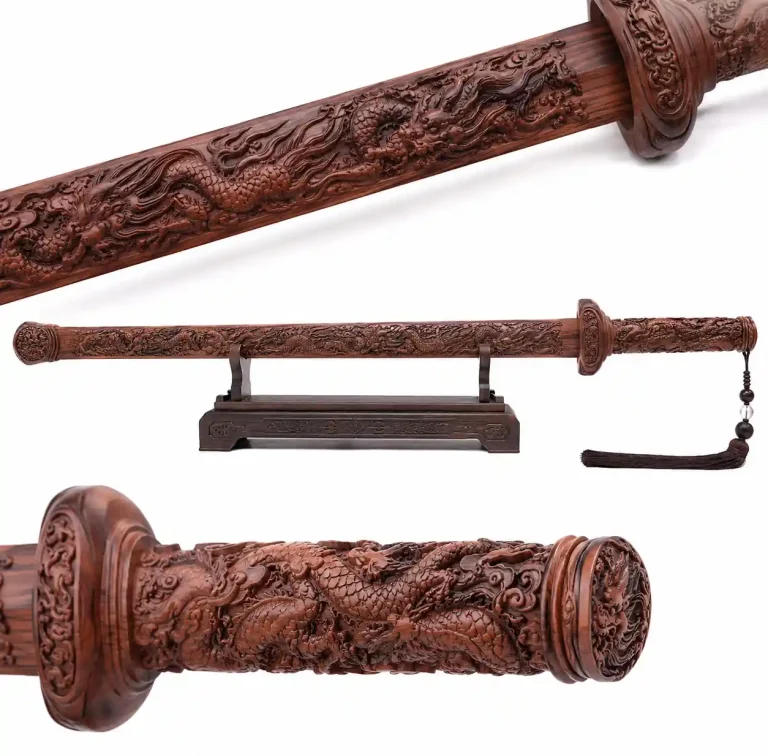






Top 15 Wooden Home Decor Trends in Southeast Asia 2026
Southeast Asia’s wooden home decor market is experiencing a defining shift in 2026. Rising middle-class purchasing power, environmental consciousness, and tropical climate demands are reshaping consumer preferences. Understanding these regional nuances separates successful products from warehouse inventory.
This analysis draws from direct manufacturing experience across Indonesia, Malaysia, Thailand, Singapore, Vietnam, and the Philippines, with market data showing 8.2% annual growth in Asia-Pacific wooden furniture through 2027.
Climate-Resilient Wood Species Replace Traditional Choices
Southeast Asia’s 70-85% humidity demands wood species resisting warping, cracking, and mold. The market shifts decisively toward tropical performers.
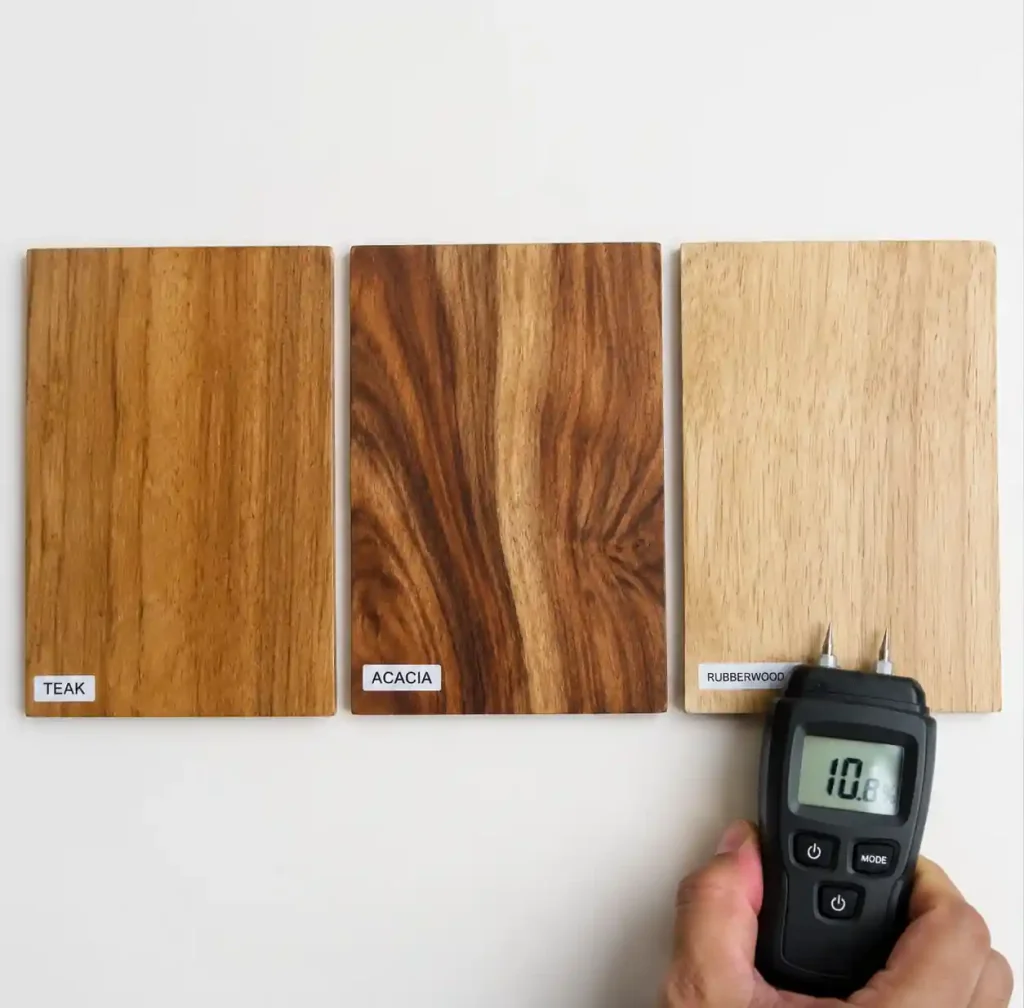
Teak dominates high-end segments due to natural water-repelling oils. However, teak’s premium pricing ($4,500-$8,000/m³) pushes mid-market buyers toward acacia ($1,200-$2,200/m³) and mindi ($900-$1,500/m³).
Rubberwood accounts for 42% of furniture exports from Thailand and Malaysia. Properly kiln-dried, it withstands tropical humidity while keeping prices accessible. For wooden animal sculptures, mahogany and suar deliver grain complexity with dimensional stability.
Multi-Functional Furniture for Compact Urban Living
Space constraints in Singapore (90 m² average), Bangkok (75 m²), and Manila (60 m²) make multi-functional wooden furniture essential. The 2026 trend prioritizes pieces serving 2-3 purposes without sacrificing aesthetics.
| Furniture Type | Space-Saving Function | Popular Markets | Price Range (USD) |
|---|---|---|---|
| Storage bed frames with built-in drawers | Eliminates separate dresser | Singapore, KL, Jakarta | $450-$1,200 |
| Extendable dining tables | Seats 4 daily, extends to 8 | All major cities | $380-$950 |
| Console tables with hidden compartments | Entry storage + display | Bangkok, HCMC, Manila | $220-$580 |
| Foldable desk-shelf hybrids | Work surface + storage | Singapore, Jakarta | $290-$720 |
Southeast Asian buyers reject utilitarian-looking space savers. They demand invisible functionality—smooth mechanisms, seamless joints, and premium finishes. Well-crafted multi-functional pieces sell at 30-40% premiums over basic equivalents.
Tropical Modern Aesthetic Defines High-End Design
“Tropical Modern” emerged as Southeast Asia’s signature design language, blending clean contemporary forms with warm wood tones.
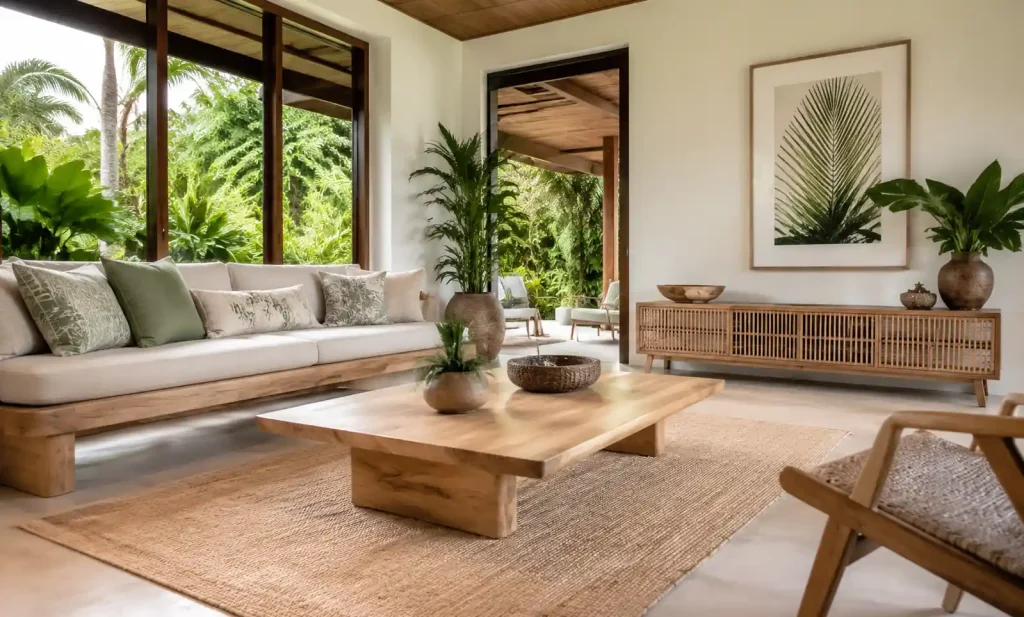
Defining characteristics:
- Light to medium wood tones (natural oak, bleached teak) that don’t absorb heat
- Open, airy silhouettes promoting air circulation
- Mixed materials: Wood paired with rattan or woven seagrass
- Organic edge slabs celebrating natural grain
73% of Singapore interior designers now specify light-medium wood tones. For wooden desktop figurines and home healing decor, natural finishes over heavy stains dominate.
Japandi Influence Reaches Peak Adoption
Japandi aesthetic (Japanese minimalism + Scandinavian functionality) dominates 2026 design across Singapore, Malaysia, and urban Thailand.
Why Japandi resonates:
- Climate compatibility: Light-colored woods reduce heat absorption
- Cultural alignment: Buddhist traditions share minimalism with wabi-sabi philosophy
- Practical maintenance: Simplified designs resist tropical mold
- Small-space optimization: Clean lines maximize perceived space
Key elements: rounded edges, visible wood joinery, neutral palettes with single accent color, and celebrated handcrafted imperfections. Pieces with subtle hand-finishing marks sell faster than machine-perfect items.
Sustainability Credentials Drive Purchasing Decisions
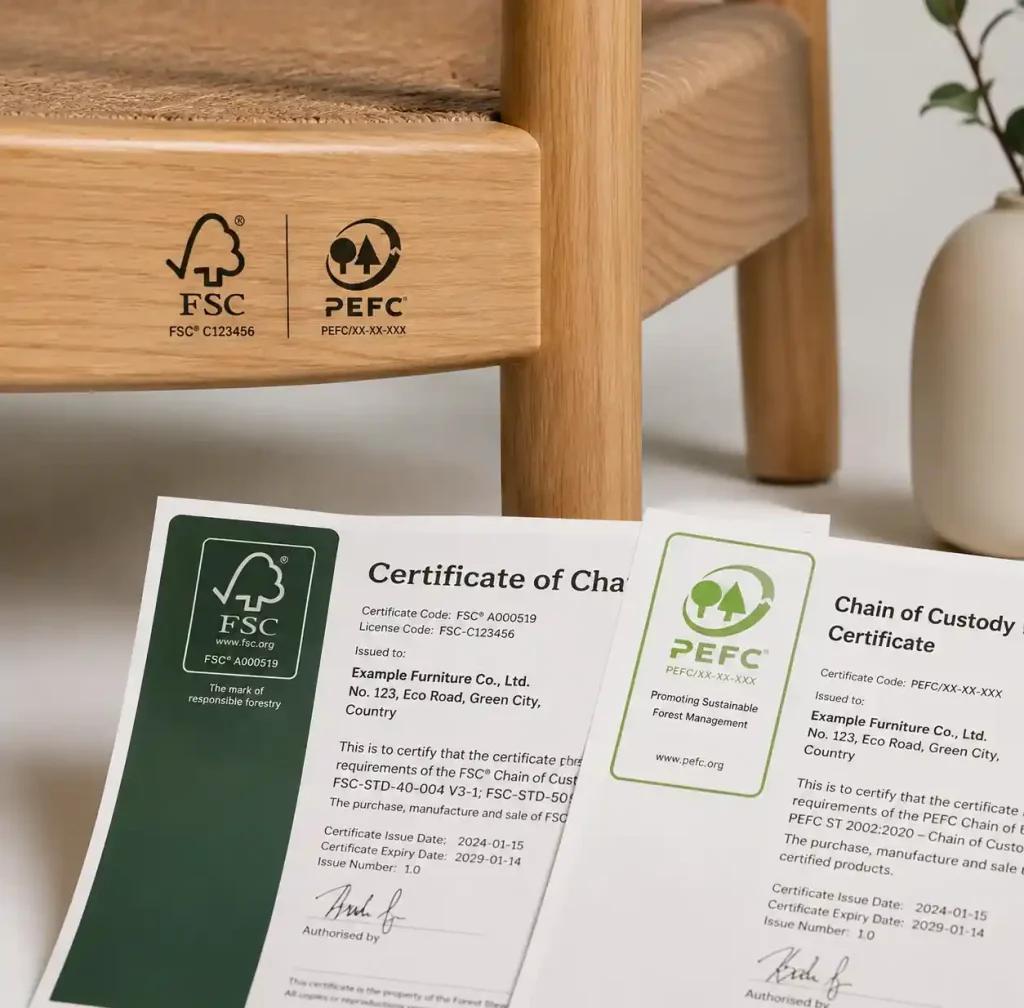
Environmental consciousness shifted from niche to mainstream requirement. Singapore’s 2023 ban on non-certified tropical timber accelerated regional demand for documented sustainable sourcing.
| Certification | Recognition in SEA | Impact on Sales | Cost to Manufacturer |
|---|---|---|---|
| FSC (Forest Stewardship Council) | High – all major retailers | +22-35% price premium | $1,200-$3,500/year |
| PEFC (Programme for Endorsement) | Medium – growing acceptance | +15-20% price premium | $800-$2,200/year |
| SVLK (Indonesia Timber Legality) | High in Indonesia/Malaysia | Required for export | $300-$800/year |
| No certification | Declining acceptance | Price pressure | $0 |
Major retailers like IKEA Southeast Asia now require FSC/PEFC certification for supplier onboarding. 65% of Southeast Asian consumers prefer certified wood when price difference stays under 20%. For wooden crafts manufacturers, certification represents entrance to premium segments.
Customizable Modular Wooden Systems Gain Traction
Fixed furniture frustrates buyers who frequently rearrange spaces for multi-generational living. Modular wooden systems show 45% year-over-year growth.
Popular applications:
- Stackable wooden cube storage configured vertically or horizontally
- Interchangeable shelf brackets adjusting heights without tools
- Sectional room dividers expanding or reducing sections
- Wooden pegboard systems with movable hooks
Modular systems require precision tolerance (±0.5mm) for smooth connections. Quality control tests each connection through 20 assembly cycles.
Carved Wooden Wall Art as Statement Pieces
Large-scale carved wooden wall installations emerged as signature statement pieces, replacing canvas art. This trend is particularly strong in Indonesia and Thailand.
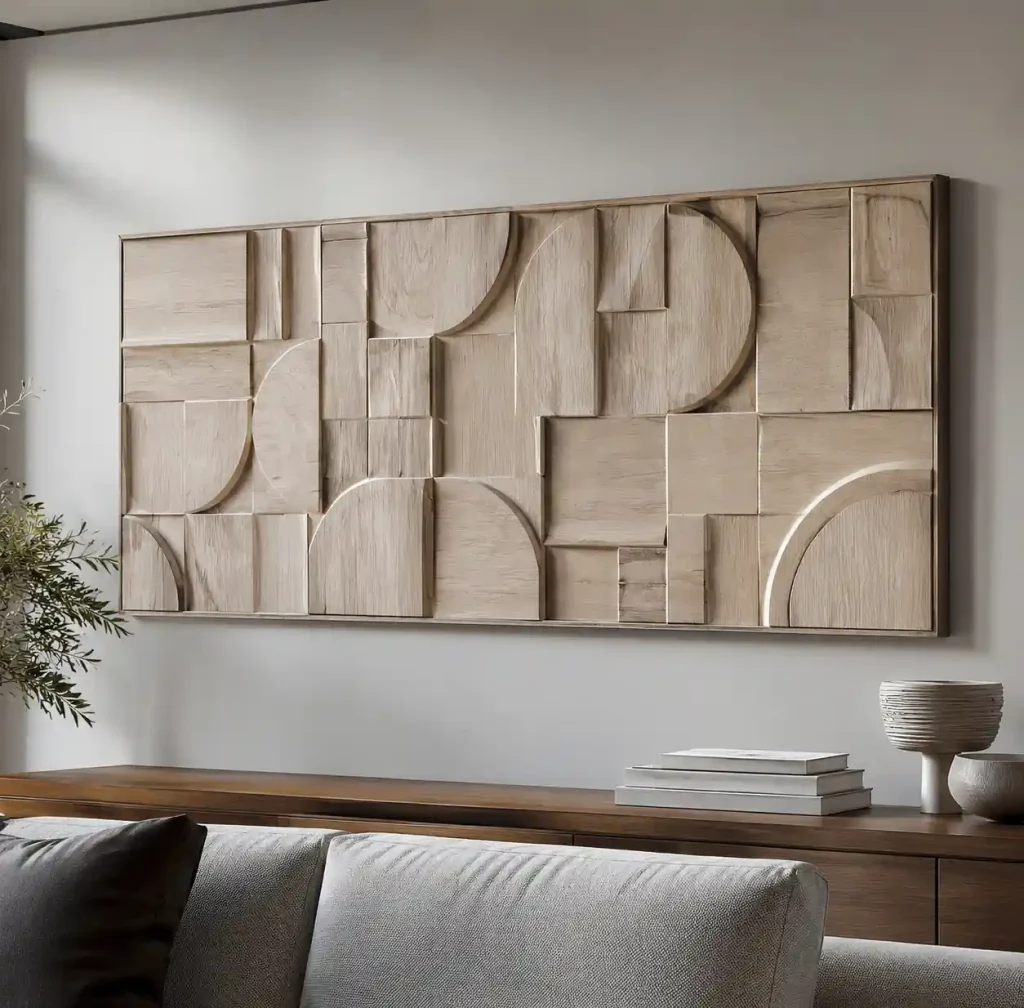
Market preferences:
- Abstract geometric patterns over representational imagery
- Mixed-depth relief carving creating shadow play
- Horizontal orientations (120-180cm) fitting above sofas
- Lighter wood tones preventing visual heaviness
CNC-carved panels retail $180-$400, while hand-carved pieces command $800-$2,500+. The middle market accepts CNC with hand-finishing at 40% of artisan cost.
Locally-Sourced Wood Appeals to Regional Pride
“Made in Southeast Asia from Southeast Asian materials” messaging resonates powerfully in Indonesia, Thailand, and Vietnam—countries with strong woodworking heritage.
Indonesian retailers highlight jati (teak) and sonokeling (rosewood) as “heritage wood.” Thai brands emphasize mango wood and rain tree as alternatives. Vietnamese manufacturers promote acacia as sustainable local options.
Local production adds 15-25% to costs but achieves 18-30% higher sell-through rates, validating premium positioning.
Smart Storage Solutions Integrated Into Wooden Furniture
Hidden storage built into wooden furniture transformed from luxury to expected standard. Consumers demand every piece justify its footprint.
Trending storage types:
- Ottoman coffee tables with lift-top storage
- Bed frames with hydraulic-lift storage
- Dining benches with flip-seat storage
- TV consoles with cable management and hidden compartments
Storage mechanisms must operate smoothly in high humidity. Stainless steel or coated aluminum hardware eliminates warranty claims for stuck mechanisms.
Natural Edge and Live Edge Wood Slabs
Live edge wood slabs—preserving the tree’s natural edge—became the defining premium furniture element, particularly for dining tables and consoles.
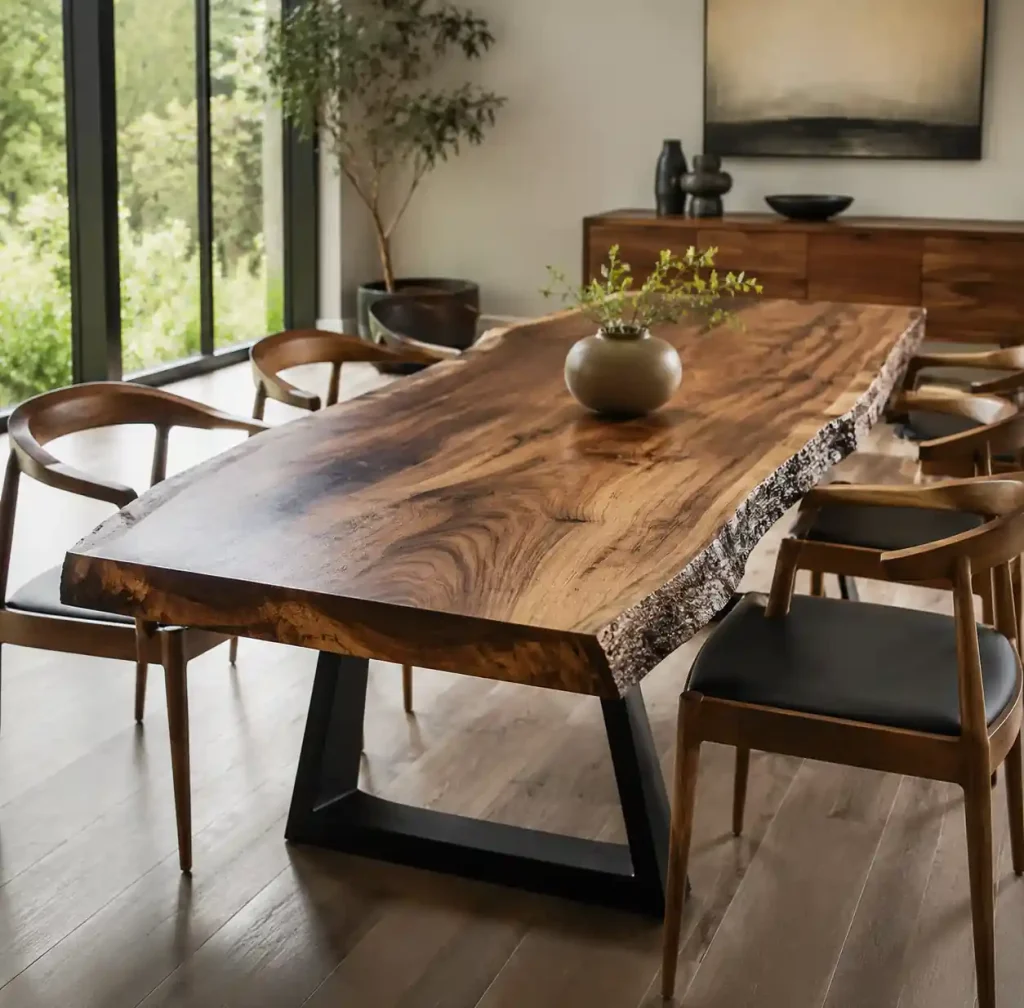
Why live edge works:
- Celebrates tropical hardwood grain
- Each piece unique, appealing to status-conscious buyers
- Heavier mass provides stability
- Resists trend cycles through timeless aesthetic
Live edge slabs require butterfly joint stabilization and 6-8cm thickness to prevent humidity-related cracking. Live edge dining tables (180x90cm) retail $1,200-$3,500—3-5x standard prices with 40% faster turnover.
Wooden Latticework and Jali Screens for Privacy
Open-concept living dominates new construction, but cultural preferences for visual privacy drive demand for elegant room division. Wooden lattice screens provide airflow-permitting privacy.
Applications include:
- Prayer space dividers in Muslim-majority regions
- Bedroom privacy screens in studio apartments
- Decorative wall treatments
- Balcony privacy panels blocking sight without blocking breeze
Laser-cut MDF with hardwood veneer delivers complex patterns at $220-$480 for 180cm panels. Solid carved screens retail $600-$1,500+.
Aged and Distressed Finishes for Character
Counter to tropical modern, a parallel movement embraces heavily distressed, aged-looking furniture suggesting history. This “vintage industrial” aesthetic is popular in urban coffee shops and young professionals’ apartments across Vietnam, Thailand, and the Philippines.
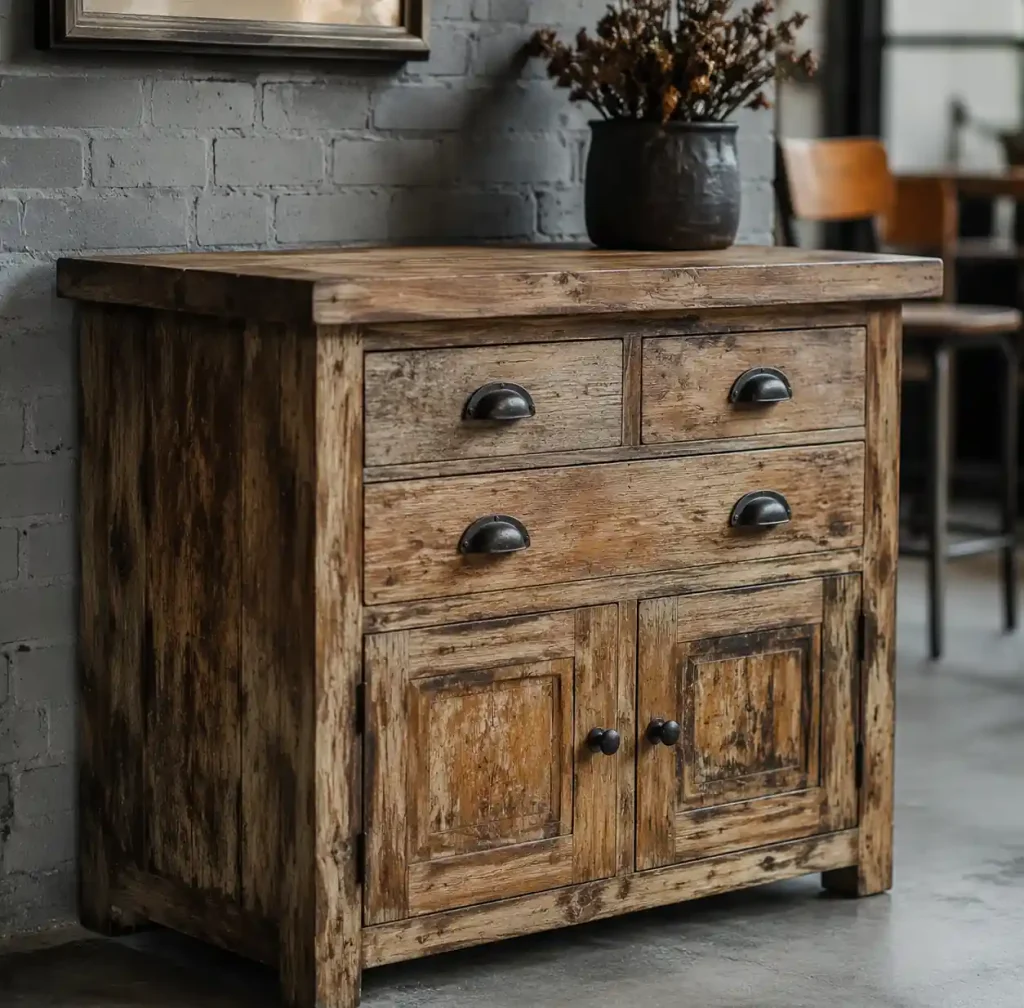
Distressing techniques:
- Wire brushing exposing grain texture
- Strategic gouging suggesting decades of use
- Multi-layer paint with intentional wear-through
- Charcoal staining creating aged appearance
This trend splits by age: Buyers 25-40 embrace distressed aesthetics, while buyers 45+ prefer pristine modern pieces.
Wooden Decor with Wellness and Spiritual Significance
Southeast Asia’s blend of Buddhist, Hindu, Islamic, and indigenous traditions creates consistent demand for wooden decor carrying symbolic meanings.
| Item Category | Symbolic Meaning | Key Markets | Rango de precios |
|---|---|---|---|
| Wooden Buddha figurines | Peace, enlightenment | Thailand, Myanmar, Singapore | $45-$380 |
| Feng shui wooden animals | Prosperity, protection | Singapore, Malaysia | $35-$250 |
| Wooden diffusers/incense holders | Aromatherapy, meditation | All markets | $18-$75 |
| Prayer bead displays | Mindfulness, devotion | Muslim & Buddhist regions | $25-$150 |
These sell based on perceived authenticity and symbolism rather than decoration. Wooden bracelets and beads from sandalwood or bodhi seed command $60-$200 versus decorative jewelry at $15-$40.
Outdoor-Indoor Wooden Furniture Crossover
Southeast Asia’s tropical climate and balcony-centric apartments blur indoor-outdoor boundaries. Furniture working in both spaces—without weather deterioration—represents a fast-growing segment.
Design requirements:
- Weather-resistant wood species (teak, eucalyptus, acacia)
- Elevated bases preventing water contact
- Quick-dry cushion fabrics
- Stainless steel or powder-coated aluminum hardware
Bangkok, Manila, and Jakarta residents face 8-9 months of rainfall but want attractive balcony furniture. Wooden furniture with marine-grade treatment retails at 30-40% premiums but eliminates separate outdoor sets.
Direct-to-Consumer Customization and Personalization
The final trend isn’t a style—it’s a business model. Direct-to-consumer brands offering made-to-order customization capture share from traditional retailers.
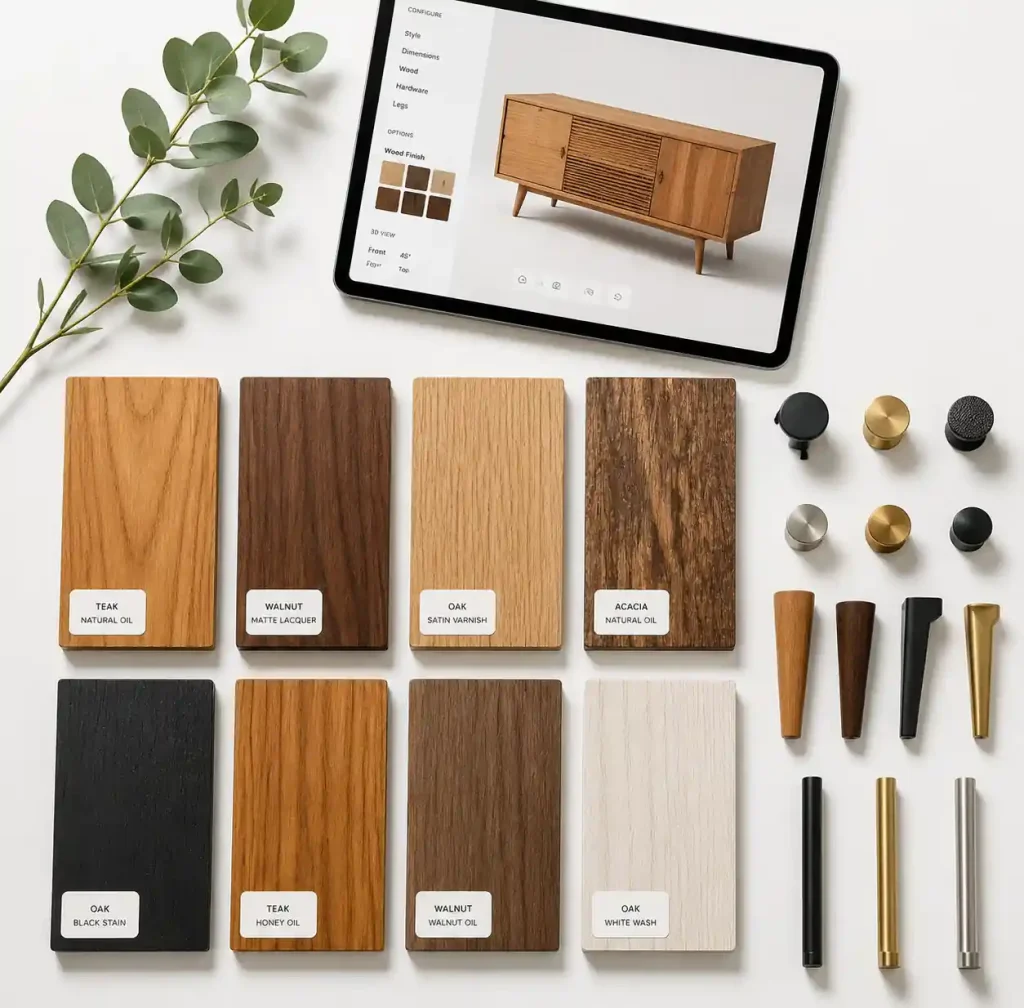
Popular customization options:
- Wood species selection (teak, walnut, oak, acacia)
- Dimensional adjustments fitting specific spaces
- Finish selection (natural oil, matte lacquer, stain)
- Hardware choices (knob styles, leg designs)
3D visualization tools allow preview before ordering. Custom furniture achieves 18-25% higher margins with 38% repeat purchase rates versus 19% for traditional retail, as customers become brand-invested.
Manufacturers now allocate 40% of production capacity to custom batch sizes of 1-10 units versus 15% three years ago.
Preguntas frecuentes
What wood types resist humidity best for Southeast Asian climates?
Teak offers superior moisture resistance due to natural oils, but acacia, rubberwood (properly treated), and mindi provide excellent humidity tolerance at lower price points. Avoid temperate hardwoods unless kiln-dried to 10-12% moisture content.
How much should I expect to pay for quality wooden furniture in Southeast Asia?
Quality dining tables (6-seater) range $450-$1,800, storage beds $400-$1,400, carved wall panels $180-$800. Premium live-edge pieces command 3-5x these prices. Singapore and Malaysia run 20-30% higher than other markets.
Are lighter or darker wood tones more popular in Southeast Asian interiors?
Lighter to medium tones (natural oak, light walnut, bleached teak) dominate 2026 preferences, reflecting tropical modern aesthetics. Darker woods still sell in traditional segments but represent declining share.
What’s the lead time for custom wooden furniture orders in Southeast Asia?
Stock items ship within 1-2 weeks. Custom orders typically require 4-8 weeks depending on complexity and wood species availability. Complex carvings or rare woods can extend to 10-12 weeks.
Conclusión
Southeast Asia’s wooden home decor market reflects unique convergence of tropical climate demands, rapid urbanization, and sophisticated design sensibilities. Success requires region-specific solutions: humidity-resistant species, multi-functional designs, meaningful customization, and documented sustainable sourcing.
Businesses thriving here understand wooden furniture represents statements about environmental responsibility, cultural pride, space optimization, and design sophistication balanced against practical budgets.
FineWood Art specializes in climate-appropriate wooden decor for Southeast Asian markets, with OEM/ODM capabilities and expertise in sustainable wood sourcing. Explore our case studies showcasing regional projects.