




Come lanciare la propria linea di prodotti in legno a marchio proprio con i servizi OEM (2026)
Launching a branded wooden product line offers retailers, distributors, and e-commerce businesses a way to differentiate themselves in the home decor and gift market. By partnering with an experienced OEM wood carving supplier, you can create custom-designed products that reflect your brand identity without the overhead of manufacturing facilities or skilled artisan teams.
Understanding OEM Services
OEM services allow you to launch a branded product line without investing in manufacturing infrastructure. A professional wood carving manufacturer handles production while you focus on design, branding, and market distribution.
Key advantages: access to skilled artisans with years of carving experience, established supply chains for quality wood materials, and flexible production capabilities that scale with your business growth. OEM manufacturers typically offer customization across multiple dimensions: product design and dimensions, wood species and finishes, carving styles and detail levels, logo placement and branding elements, and packaging design.
Identifying Your Target Market and Niche
Define your target customer segment before approaching an OEM partner.
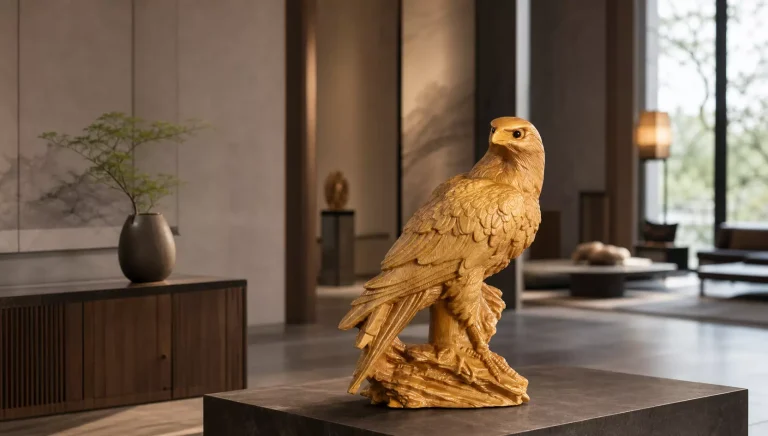
Retail customers seek unique home decor pieces for personal spaces or gifts. They value aesthetic appeal, cultural significance, and craftsmanship stories. Animal wood carvings and desktop decorations perform well in this segment.
Corporate buyers focus on branded gifts for employees, clients, or promotional campaigns. They require consistent quality across large orders, customization for logo integration, and reliable delivery schedules.
Interior designers look for statement pieces that complement specific design aesthetics. They appreciate diverse style options, consistent sizing, and material quality that matches project specifications.
E-commerce retailers need products with strong visual appeal, competitive wholesale pricing, and shipping-friendly dimensions.
Once you’ve identified your target market, narrow your product niche. Focus on a specific category where you can establish expertise and differentiation rather than launching a broad collection.
Selecting Wood Materials and Craftsmanship
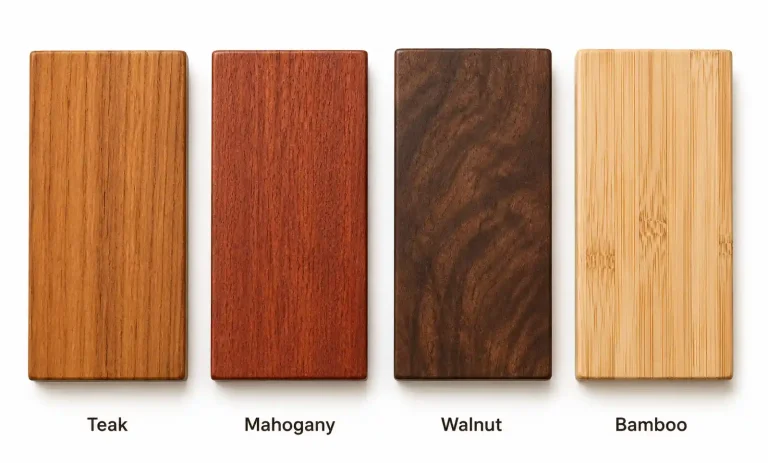
Material selection impacts appearance, durability, pricing, and market positioning.
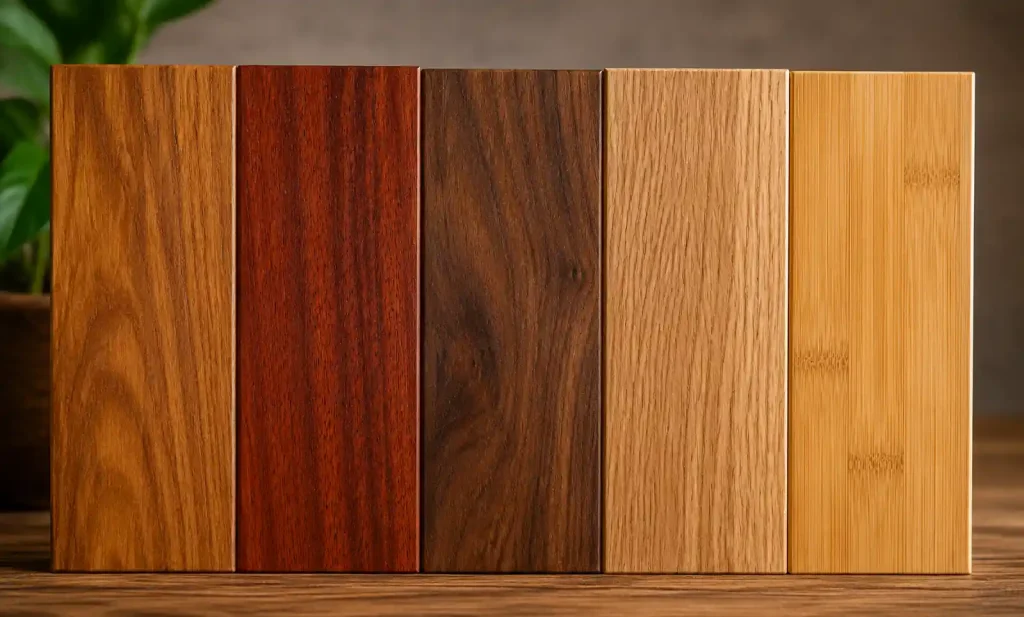
| Tipo di legno | Colore e venatura | Resistenza | Carving Detail | Price Range | Ideale per |
|---|---|---|---|---|---|
| Teak | Golden-brown, pronounced grain | Eccellente | High detail | $$$ | Premium collections, outdoor pieces |
| Mogano | Rich reddish-brown, fine grain | Eccellente | Very high detail | $$$$ | Luxury items, traditional designs |
| Noce | Dark brown, straight grain | Ottimo | High detail | $$$$ | Contemporary designs, executive gifts |
| Oak | Light brown, prominent grain | Eccellente | Moderate detail | $$ | Traditional styles, rustic collections |
| Bamboo | Light natural, linear pattern | Bene | Moderate detail | $ | Eco-conscious lines, modern minimalist |
| Legno di palissandro | Deep brown with dark streaks | Eccellente | Very high detail | $$$$ | Premium carvings, collector items |
Consider your target price point, intended use environment, design aesthetic, and sustainability positioning. FSC certification or bamboo alternatives can be attractive differentiators for eco-conscious buyers.
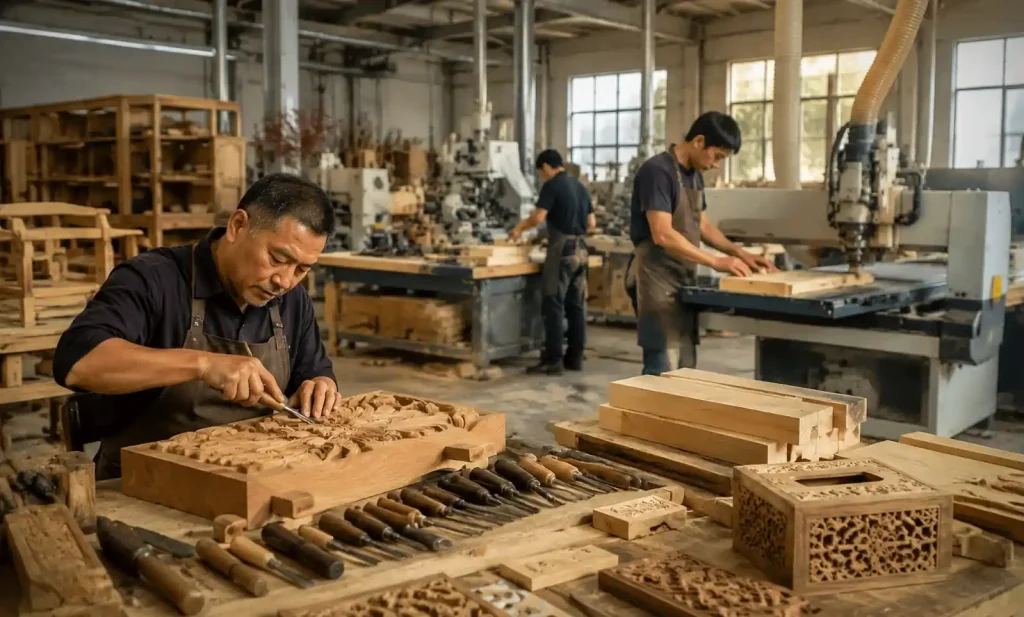
Craftsmanship approaches: Handcrafted pieces show subtle tool marks and grain variations valued as authenticity markers. CNC-assisted production offers consistency and efficiency. Hybrid approaches combine machine precision with hand-finishing for character and detail.
Product Design and Customization
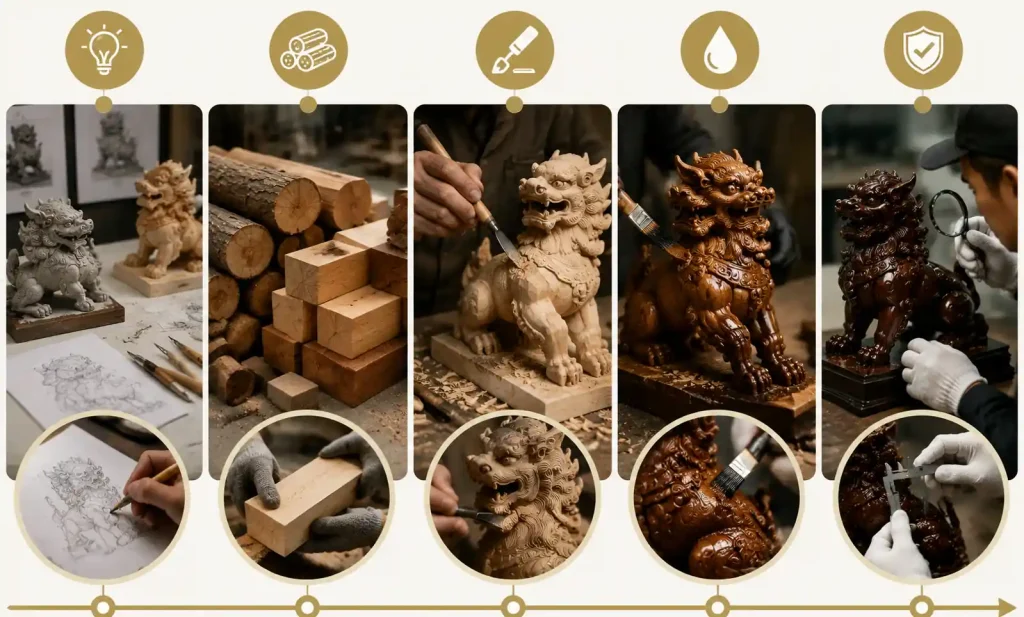
Design Development Process: Most OEM manufacturers offer multiple pathways—you can provide detailed drawings or CAD files, share reference images, or collaborate on design concepts based on existing capabilities. Many manufacturers maintain design libraries that can be customized.
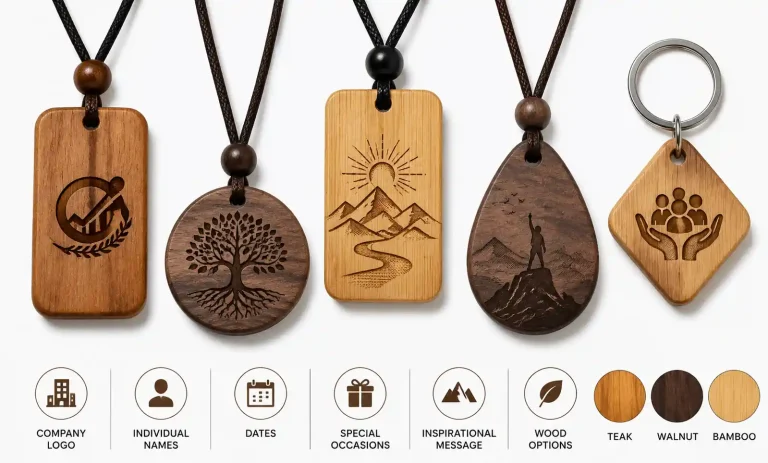
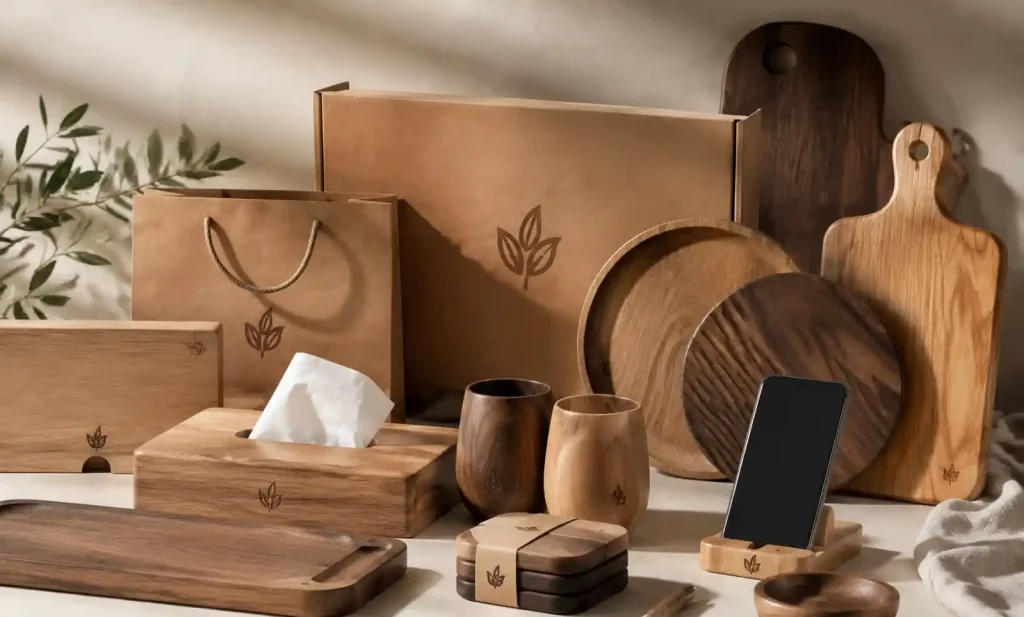
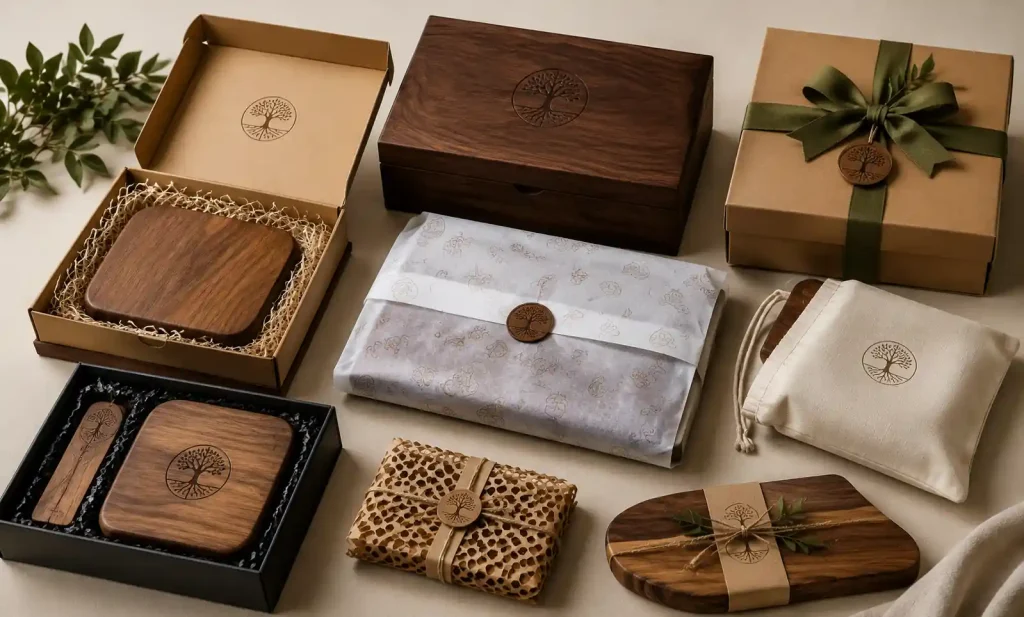
Customization Elements include unique carving motifs, distinctive finishes (natural, stained, painted, distressed), custom sizing, logo integration, and branded packaging.
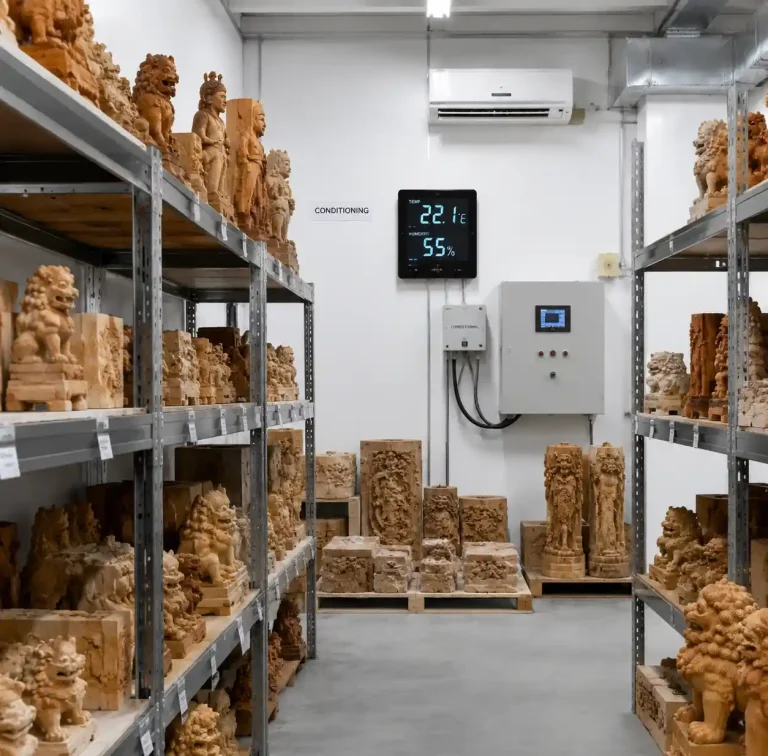
Prototyping and Refinement: Before committing to production, invest in prototypes. Plan for 2-3 refinement rounds. Design should account for shipping—avoid extremely fragile elements, consider modular designs for larger pieces, and discuss packaging requirements.
Working with Your OEM Partner
| Phase | Duration | Key Activities |
|---|---|---|
| Design Development | 1-2 weeks | Concept refinement, technical drawings, material selection |
| Prototype Creation | 2-3 weeks | Initial sample production, quality assessment, adjustments |
| Sample Approval | 1 week | Your review and feedback, final modifications |
| Production Setup | 1-2 weeks | Material procurement, scheduling, quality standards confirmation |
| Manufacturing | 3-6 weeks | Bulk production, quality control, finishing |
| Quality Inspection | 3-5 days | Final inspection, packaging, documentation |
| Shipping | Variable | International freight, customs clearance |
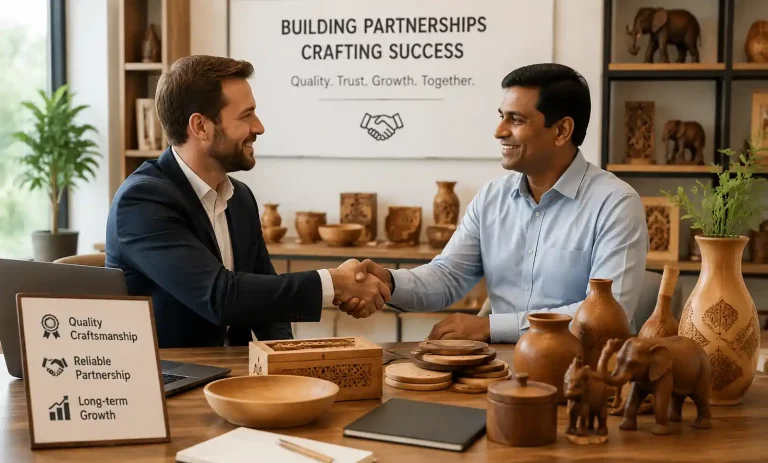
Communication Protocols: Establish clear communication channels and response time expectations. Request photo documentation at key production stages.
Documentation: Include detailed product specifications, quality standards, pricing terms, MOQ and reorder terms, and intellectual property agreements protecting your designs.
Quality Control and Sample Evaluation
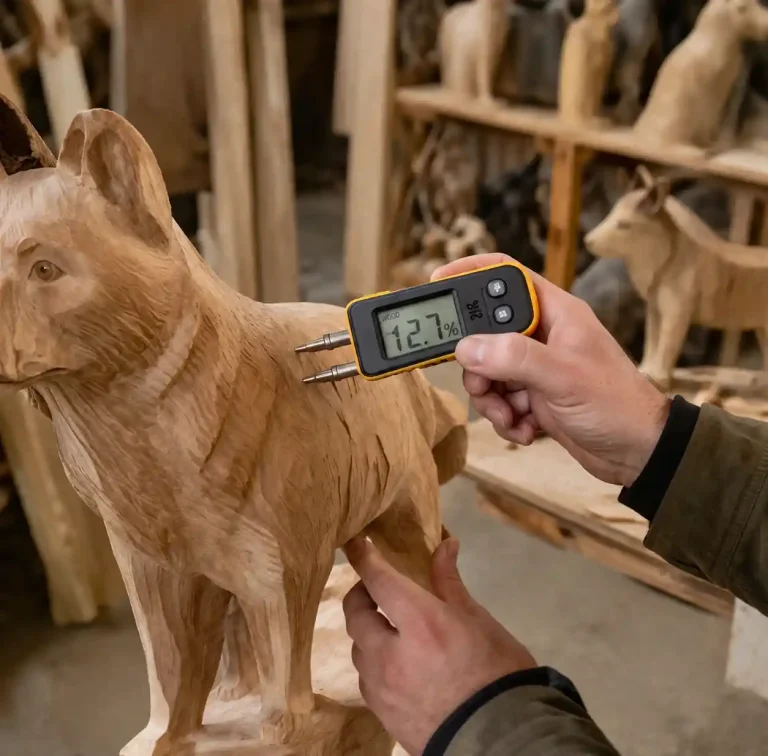
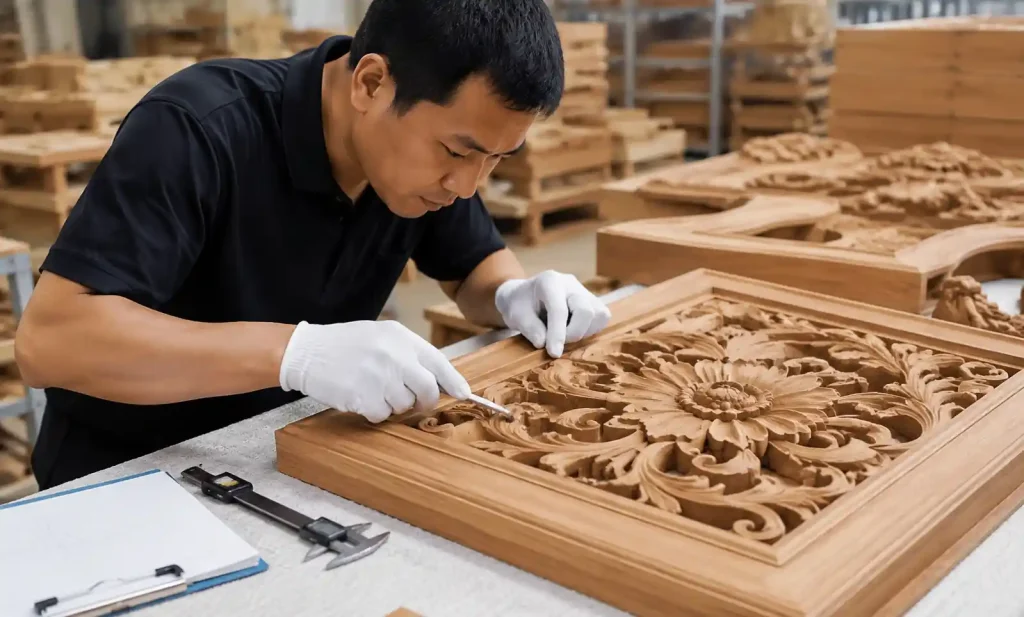
Sample Evaluation Criteria: Assess carving precision, wood grain appearance, finish evenness and durability, dimensional accuracy, structural stability, and packaging quality. Don’t rush approval—test samples under customer-use conditions.
Production Quality Control: Establish inspection protocols including in-process inspections, random sampling for large runs, and final inspection before shipping. Request detailed quality reports.
Handling Quality Issues: Professional OEM partners should have clear policies for addressing defects, including acceptable defect rates (typically 1-2% for handcrafted items), remediation options, and resolution processes.
Pricing, MOQ, and Budgeting
Understanding MOQ: Typical ranges: simple designs 100-300 pieces per SKU; moderate complexity 300-500 pieces; complex carvings 500-1,000 pieces. Higher MOQs often unlock better per-unit pricing.
Cost Structure: Your landed cost includes manufacturing cost per unit (materials, labor, overhead), customization and tooling fees, quality inspection fees, packaging costs, shipping and freight, customs duties, and warehouse handling.
Pricing Your Products: A common wholesale model:
- Manufacturing cost: $10
- Your wholesale price (2.0-2.5×): $20-25
- Retail price (2.0-2.5× wholesale): $40-62
Adjust multipliers based on market positioning and brand strength.
Budgeting for Launch: A modest launch might require $10,000-25,000. Start with a focused product range to test market response.
Domande frequenti
What is the typical MOQ for custom wooden products? 100-1,000 pieces per SKU depending on complexity. Simple designs often have lower MOQs (100-300 pieces); intricate carvings may require 500-1,000 pieces. Some manufacturers offer flexible MOQs for test orders.
How long does it take to launch a branded product line? 3-5 months from concept to inventory—design development and prototyping (3-5 weeks), sample approval (1-2 weeks), production (3-6 weeks), and international shipping (3-4 weeks). Rush production may be available at premium pricing.
Can I protect my custom designs from being sold to others? Yes. Reputable OEM manufacturers offer exclusivity agreements. Formalize these in writing—specify protected designs, exclusivity duration, and territorial limitations.
What wood types work best for international shipping? Teak, mahogany, and walnut offer excellent durability and dimensional stability during shipping. Proper packaging is equally important. Verify import regulations for your target markets.
Should I start with a large catalog or a few items? Start with 3-5 core products. This approach manages inventory investment, allows deeper quality understanding, tests market response, and creates cohesive brand storytelling.
How do I find a reliable OEM manufacturer? Research through B2B platforms, trade shows, and industry referrals. Evaluate production capabilities, sample quality, client references, communication responsiveness, and certifications (FSC, ISO).
What customization options are available beyond product design? Wood species and finishes, product dimensions, logo placement (carved, burned, or metal plate), packaging design, hang tags, and mixed material options (metal, leather, fabric).
How should I handle inventory and reorders? Plan initial orders to cover 3-6 months of projected sales. Track sales velocity by SKU. Communicate reorder needs well in advance. Maintain safety stock for bestsellers.
Conclusione
Launching a branded wooden product line through OEM partnerships offers a compelling path to market without building manufacturing capabilities. Success depends on thorough planning, clear communication with your manufacturing partner, and commitment to quality at every stage. Start with a focused product range that represents your brand vision, test market response, and expand systematically based on customer feedback and sales data.
Ready to explore OEM options? Professional manufacturers experienced in custom wood carving can guide you through development, provide samples for quality evaluation, and discuss pricing and MOQ options suited to your business model.